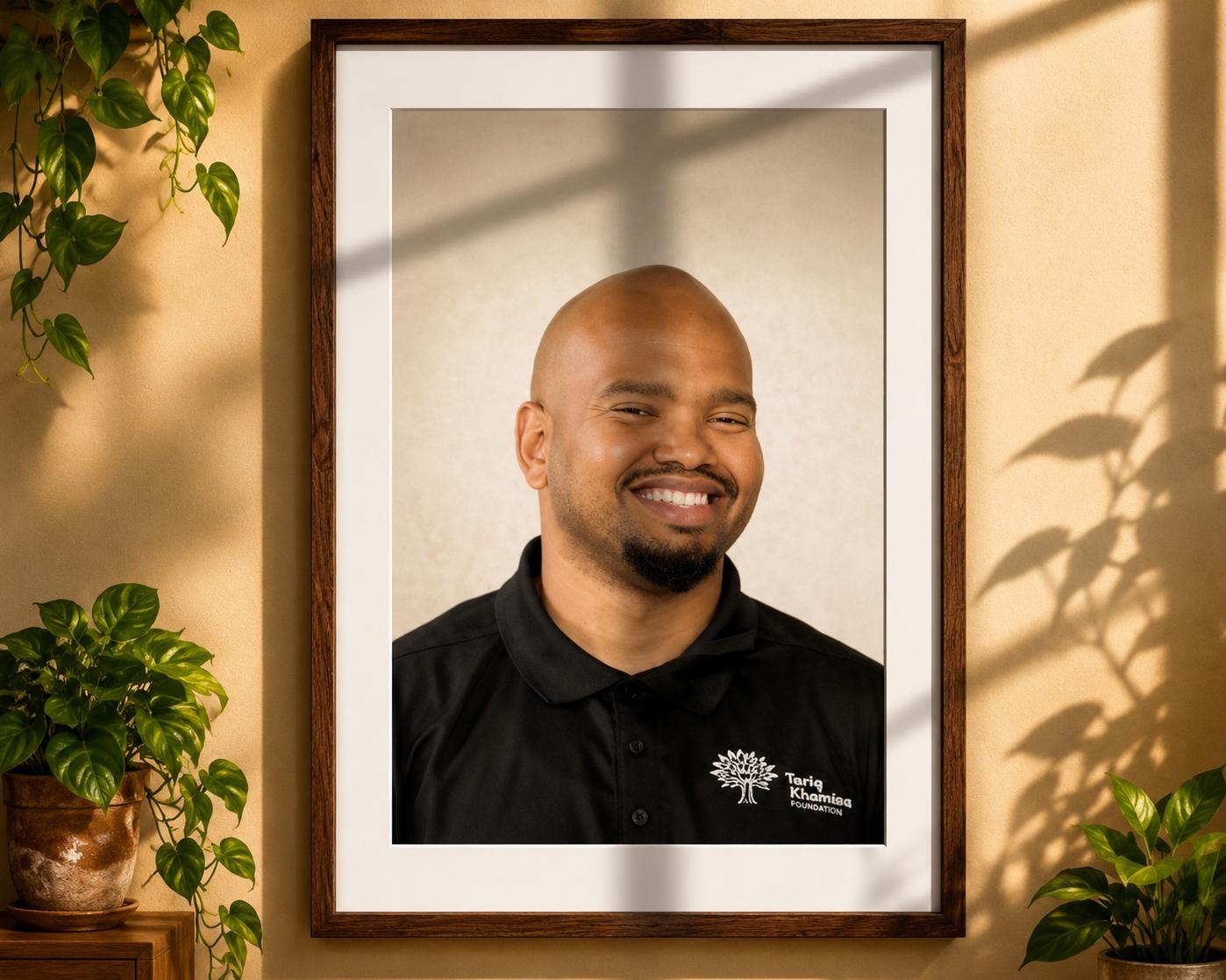
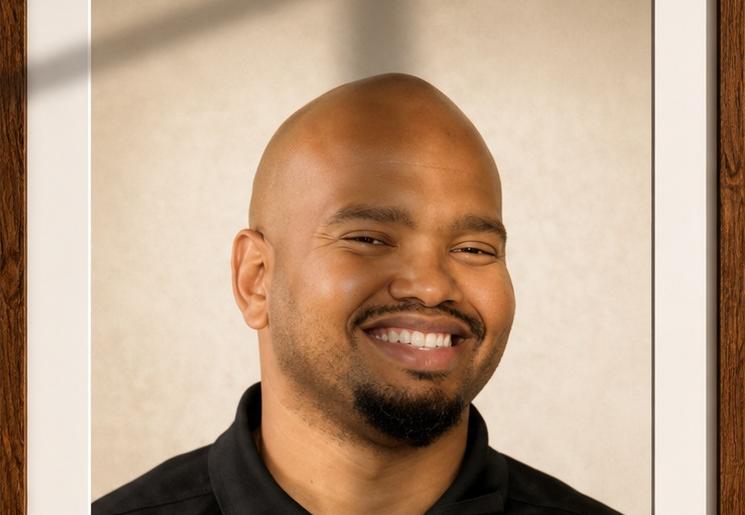
*Tony Hicks, the nationally recognized restorative justice advocate whose remarkable transformation from convicted teenage murderer to violence prevention leader inspired thousands across the country, has died. He was 45.
The Tariq Khamisa Foundation, where Hicks served on the board and regularly spoke to students about the consequences of violence and the power of forgiveness, announced his death. The organization did not disclose a cause.
Hicks’ extraordinary journey from prison inmate to nationally respected advocate stunned even those who had once sentenced him.
Retired Superior Court Judge Joan Weber, who sentenced Hicks to 25 years to life in prison in 1995, told NBC San Diego she was overcome with emotion upon learning of his death.
“I just started sobbing uncontrollably. It was a devastating shock,” Weber said.
Scroll to continue reading








She later described Hicks’ transformation as “extraordinary” and called the reconciliation between Hicks and the family of his victim, Tariq Khamisa, “the most exceptional showing of forgiveness” she had ever witnessed.
A Crime That Changed Two Families Forever
Hicks was 14 when he fatally shot 20-year-old San Diego State University student Tariq Khamisa during a botched robbery in January 1995. Khamisa, a journalism major, had been lured to a fake address while delivering pizzas.
Three days later, Hicks was arrested. After pleading guilty to murder, he became one of the youngest people in California to be prosecuted as an adult.
Hicks later said he grew up in South Central Los Angeles surrounded by gang violence, where shootings had become “kind of normal.” Although he once dreamed of becoming a scientist, he was eventually drawn into gang life.
Even years later, Hicks never attempted to excuse his actions.
“Ultimately the decision to pull the trigger was mine,” Hicks told TODAY. “My anger, my frustration, my immaturity, my disappointment with where my life was … allowed me to make that decision in that moment.”
Forgiveness Opened the Door to Redemption
The defining moment of Hicks’ life came not inside a courtroom, but through an extraordinary act of forgiveness.
Instead of seeking revenge, Tariq’s father, Azim Khamisa, chose to forgive the teenager who killed his son.
Shortly after Hicks entered prison, his grandfather informed him that Khamisa wanted to meet. Hicks initially refused, believing he neither deserved nor was prepared to receive such compassion.
Nearly five years later, the two men met inside Folsom State Prison, where they spent hours discussing their lives and the night Tariq was killed.
Before leaving, Khamisa made Hicks a promise that would forever alter the course of his life: if he were ever released from prison, there would be a job waiting for him at the Tariq Khamisa Foundation.
The offer gave Hicks something he had never expected—hope.
In prison, Hicks earned his GED, immersed himself in books and prepared for the opportunity Khamisa believed he deserved if he were ever released.
A Life Dedicated to Preventing Violence
When Hicks became eligible for parole in 2018, Azim Khamisa and his daughter, Tasreen, urged commissioners to release him, arguing his work was needed beyond prison walls.
He was released in 2019 after serving more than 24 years behind bars.
After his release, Hicks rebuilt his life while working as a plumber and traveling nationwide with the Tariq Khamisa Foundation, speaking to students about violence, accountability and second chances.
“What I tell young people all the time,” Hicks told TODAY, “is that your actions do not ultimately define you. Every day that you are alive, you can make a better choice.”
Even after decades of personal transformation, Hicks acknowledged he never stopped grieving the pain he caused the Khamisa family.
“I can’t look at them and not think about what I took away,” he said.
He also admitted forgiving himself remained a daily struggle.
“Forgiveness is a muscle that I have to exercise every day,” Hicks said. “It’s not a light switch that I clicked on and just forgave myself.”
Following news of his death, Tariq’s sister, Tasreen Khamisa, paid tribute to the man she came to regard as family.
“My soul brother,” she wrote. “I love you. Rest in peace. Rest knowing you are deeply loved, cherished. I will miss you every day.”
Tony Hicks spent the rest of his life proving that accountability, forgiveness and redemption can coexist—even after unimaginable tragedy.
(If You Like/Appreciate This EURweb Story, Please SHARE it!)
MORE NEWS ON EURWEB.COM: XXXtentacion’s Killers Sentenced to Life in Prison Without Parole – One of Pop Smoke’s Killers Sentenced to Juvenile Facility & More | PicsVideos
We Publish Breaking News 24/7. Don’t Miss Out! Sign up for our Free daily newsletter HERE.