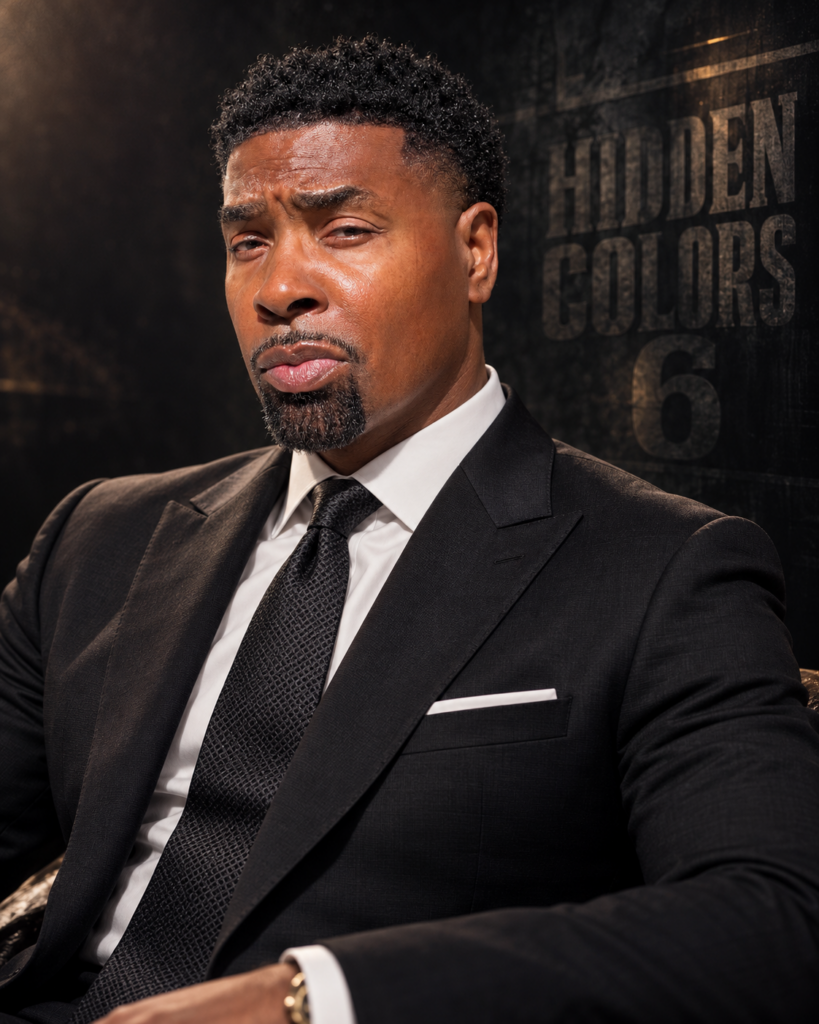
*Tariq Nasheed is bringing his “Hidden Colors” franchise back to the big screen.
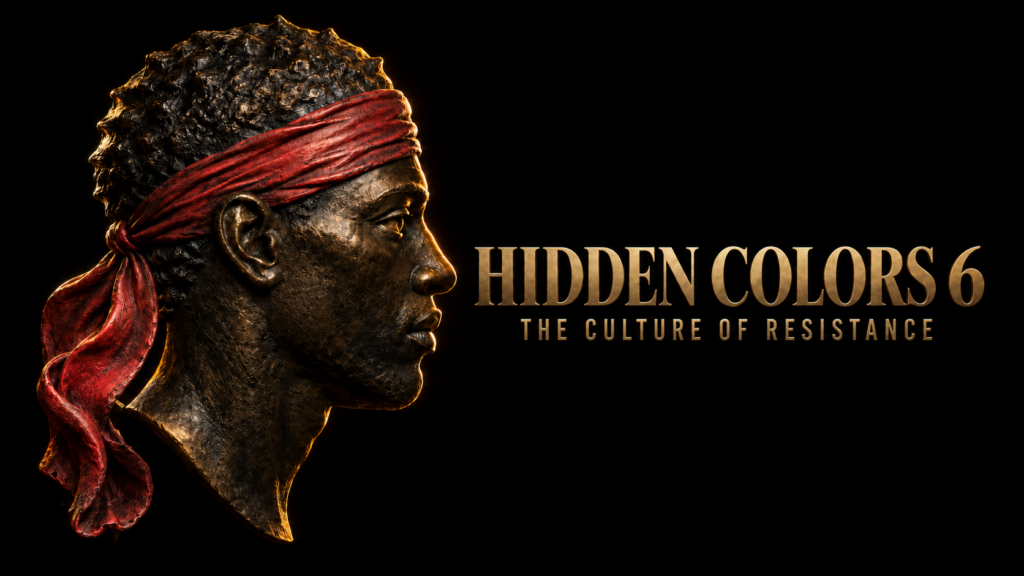
“Hidden Colors 6: The Culture of Resistance,” the sixth film in his long-running documentary series, opens in theaters this November. The new installment explores how Black Americans have resisted oppression, protected their communities, and shaped culture across generations. It covers slave rebellions, Jim Crow and the strategies behind the civil rights movement, along with lesser-known stories about food, war and global activism.
Like the films before it, “Hidden Colors 6” was made without a Hollywood studio. Nasheed financed it through Kickstarter, where 3,240 backers pledged $261,760, pushing the campaign past its $250,000 goal in March.
Nasheed spoke with EURweb about the film’s message, the history that surprised him, and why he still refuses to hand his stories over to anyone else.
Scroll to continue reading





Timing played a big role in his decision to return to the series. The last installment came out in 2019, and an entire generation has come of age since the first film arrived in 2011.
“A lot of people who were like 15 years old then, they’re like 30 years old now. So we have a new generation of people who need this information,” Nasheed said. “So we don’t want it to be a one-off. This kind of information should be taught regularly.”
He also sees the film as a response to efforts to remove Black history from classrooms, particularly in Florida and Texas. Nasheed said some officials argue that certain lessons could make students uncomfortable, and he rejects that reasoning outright.
“Well, damn it, we felt uncomfortable having this stuff done to us. So the truth is going to be the truth no matter what,” he said.
At the heart of the new film is the idea that resistance runs through nearly every part of Black American life. Nasheed believes that history explains why foundational Black Americans have always been treated as the wild card in the fight against systemic white supremacy.
“Everything about our being is about resistance, as you see in the movie. The way we made food was about resistance. Our music was about resistance. Everything was about fighting oppression,” he explained. “So we made that a part of our culture.”
That legacy, he added, has made Black Americans a model for movements worldwide. “We are the face of global activism because that’s literally in our DNA,” Nasheed said.
Longtime fans will also notice some new faces this time around. Many of the scholars featured in the early films, including Dr. Frances Cress Welsing and Dick Gregory, have since died. Nasheed paired a rising group of scholars with veterans like Shahrazad Ali to create a film that speaks to every generation.
“I wanted to do something that blends all generations together like we used to,” he explained. “It’s that family reunion vibe where we all get together, learn together, love together, laugh together, and be empowered together.”
Even after five films, Nasheed still uncovered history that caught him off guard. One of his biggest surprises came from the restaurant world, where the film traces the barbecue recipe behind Tony Roma’s to a Black man.
“The menu of Tony Roma’s came from a brother from Mississippi,” he said. “So, you know, that surprised me, but not really.”
The film also highlights how Black Americans supported independence movements across Africa. Nasheed pointed to Ralph Bunche, who helped draft constitutions for several newly independent African nations.
“So not only were we fighting for our freedom here and our civil rights here, we were helping other nations fight for theirs too,” he noted.
Closer to home, the documentary revisits the role Black soldiers played in the Civil War. According to Nasheed, their service changed the course of the conflict. “They didn’t start winning the Civil War until they let the Black soldiers come in and do their thing,” he said.
Nasheed believes “Hidden Colors” has endured because it brought unfiltered Black history to a wide audience for the first time. Staying independent has been key to keeping that history intact. He said studio funding often comes with a sanitized version of events, which he summed up bluntly: “We were enslaved, white people freed us, we had a civil rights movement, white people helped us, and then we got Barack Obama, and now here we are, thank the melting pot.”
His grassroots approach started with that very first film. In 2010, when crowdfunding was still brand new, he challenged his audience to raise $20,000 on Kickstarter and promised to cover the rest. Fans reached the goal in a month.
“We put it out and it just became a global phenomenon,” he recalled. “It’s still grassroots to this day and I want to keep it that way because it’s important that we control that narrative.”
That model has since grown beyond film. In 2023, Nasheed opened The Hidden History Museum in Los Angeles, another project his supporters helped fund through crowdfunding, as EURweb previously reported.
Now the new film is heading straight to theaters, and audiences are already responding. Screenings in New York, Washington, D.C., and Dallas have sold out, and Dallas has added a second showing.
Nasheed hopes those nights feel more like a gathering than a typical trip to the movies. “I want this to be like a nationwide family reunion. People are bringing their mothers, fathers. They’re bringing their uncles, aunts, bringing their children, nephews and nieces,” he said. “The elders are going to love it. The kids are going to love it. So it’s something in there for everybody.”
Watch EURweb’s full interview with Tariq Nasheed below. He also talks about his next projects, including a possible West Coast follow-up to his hip-hop documentary “Microphone Check.”
“Hidden Colors 6: The Culture of Resistance” screens Nov. 4 in Memphis and Oakland and Nov. 5 in Atlanta, Chicago, Los Angeles and Orlando. On Nov. 7, it reaches New York, Cincinnati, Dallas, Detroit, Houston and Washington, D.C., with a second Dallas showing on Nov. 8. Tickets and showtimes are available on the official “Hidden Colors 6” website.
MORE NEWS ON EURWEB.COM: New Hulu and ESPN Documentary Goes Behind the Scenes of Michael Jackson’s 1993 Super Bowl Halftime Show
Sign up for our Free daily newsletter HERE