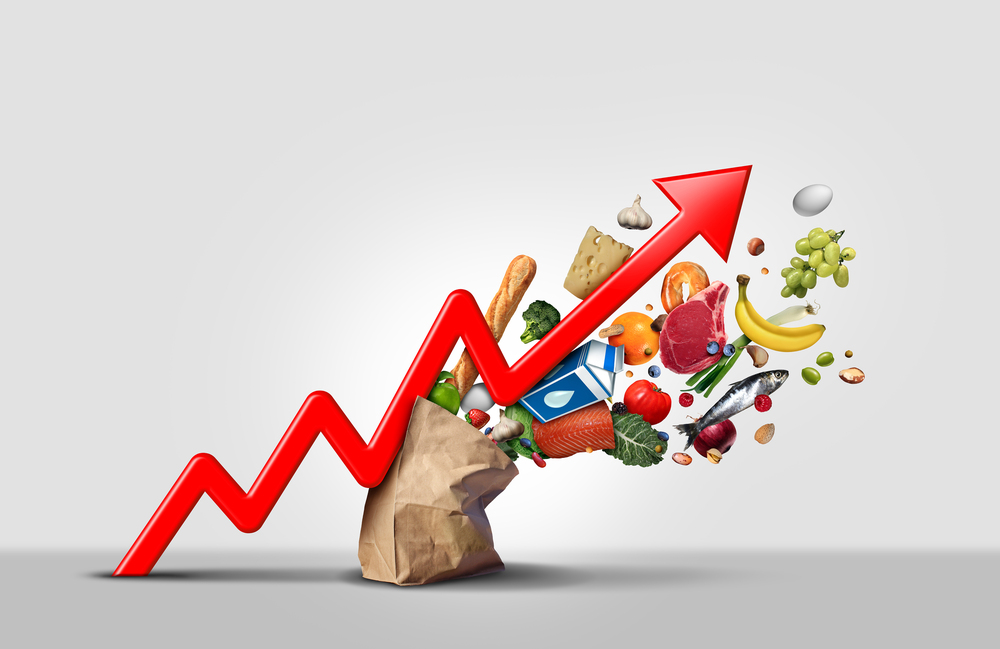
*On April 2, the U.S. began enforcing a 25% tariff on goods from Canada and Mexico, following a recent increase in tariffs on Chinese imports from 10% to 20%.
There’s even talk of a 200% tariff on EU alcohol, hinted at by President Trump. These changes will likely raise food prices, especially since Mexico and Canada supply much of America’s imported fruits (60%) and vegetables (40%), according to a 2023 USDA report. According to Eating Well, avocados, for instance, are a big concern—89% of U.S. imports come from Mexico, dwarfing the 500 million pounds grown domestically each year compared to 2.675 billion pounds imported in 2021.
To dodge the price hikes, consider shopping at farmers’ markets for local, seasonal produce. It might mean skipping year-round avocados for what’s fresh nearby, but it could save money. Maple syrup, mostly from Canada (71% of global supply), might also get pricier—try U.S.-made options or switch to honey or homemade fruit syrups for your pancakes. Baking fans, take note: Canada sent $4.7 billion in biscuits and cookies to the U.S. in 2023, so stock up or bake your treats to avoid the hit.
Wine lovers might face EU tariffs too, so explore American offerings from California or New York’s Finger Lakes region and imports from Australia. Bartholomew Broadbent, owner of Virginia wine wholesaler and importer Broadbent Selections, cautioned that U.S. retail wine prices could rise more sharply than expected. With over 80% of his company’s portfolio now subject to new tariffs, he highlighted that wines from South Africa will be especially affected due to a newly imposed 30% tariff by the White House.
“I don’t see a single person who can benefit from this,” Broadbent said, per CBS News. “Even the wineries in America will suffer badly because they’re all buying barrels and corks from Europe.”
Scroll to continue reading










Also, with aluminum tariffs at 25% and over half of U.S. plastic imports from China, Mexico, and Canada, packaging costs will climb. Hit the bulk bins for unpackaged beans, spices, or nuts.
“Since the 2018 tariffs, America’s tin mill steel producers shut down nine tin mill lines,” Robert Budway, president of the Can Manufacturers Institute, said in a statement. “Today, only three domestic production lines remain open in the United States, meaning American steel producers cannot meet U.S. demand even with the highest tinplate steel costs in the world.”
Shopping local, baking, and adapting to what’s available can soften the blow to your grocery budget as these tariffs roll out.
READ MORE FROM EURWEB.COM: Detroit’s first Black-owned Grocery Store Makes A Difference in the Community | WATCH
Sign up for our Free daily newsletter HERE.