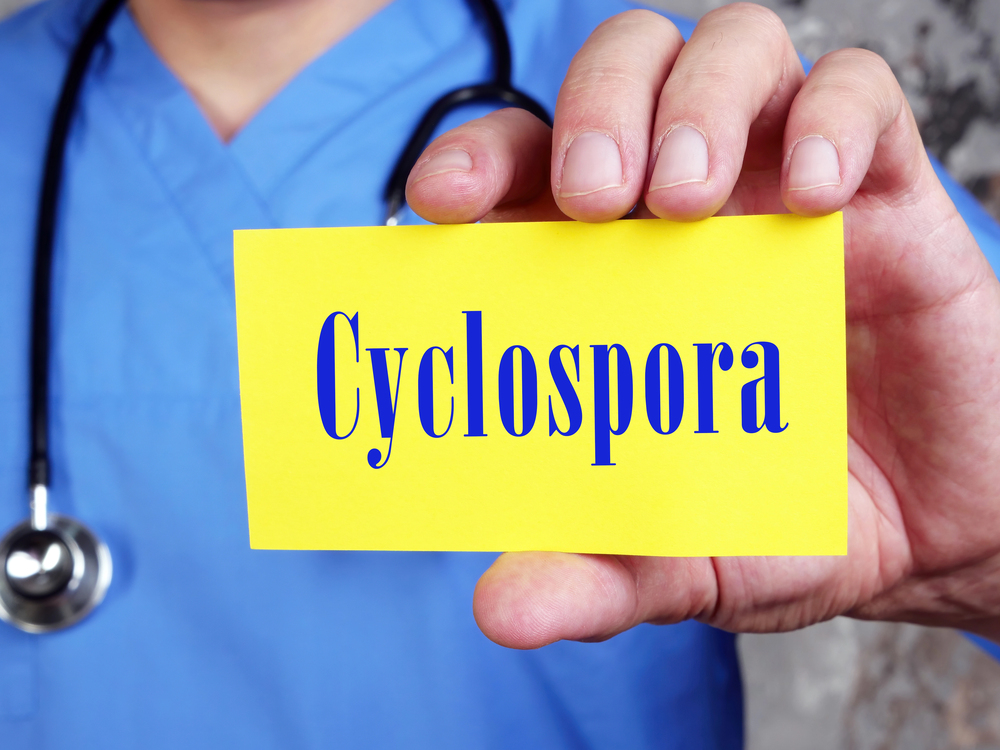
*Taco Bell customers may notice something missing from their orders. A nationwide Cyclospora parasite outbreak has prompted some locations to temporarily stop serving several fresh ingredients, according to WWJ.
The changes are being communicated directly to customers through posted notices.
“We are currently unable to sell Lettuce, Cilantro, Onion, Pico de Gallo and Guacamole due to a nationwide recall,” the signs read, per the New York Post. It remains unclear whether any Taco Bell customers have become ill.
The menu changes come as health officials continue investigating a growing outbreak of cyclosporiasis. According to the CDC, more than 840 cases had been confirmed as of July 9. Michigan has reported the highest number of cases, recording more than 1,500 illnesses and 44 hospitalizations. Investigators there believe lettuce or other salad greens may be the source.
Scroll to continue reading









Federal investigators are also examining whether Taco Bell is connected to the broader outbreak. The Washington Post reports that health officials are working to determine whether the restaurant chain played a role in the multistate spread of cyclosporiasis. The foodborne parasitic infection, which can cause severe diarrhea, has reportedly sickened nearly 7,000 people across at least 34 states.
The Cyclospora parasite travels on produce tainted by contaminated water. Once ingested, it triggers watery diarrhea that can drag on for weeks. The CDC warns of “frequent and sometimes explosive bowel movements.” Patients typically feel the first effects within a week of exposure, and antibiotics can clear the infection.
Food safety lawyer Bill Marler urged vigilance when dining out. “Consumers, whether they’re at home or at restaurants, have to be a bit more cautious and, frankly, paranoid,” he told USA TODAY.
At home, experts recommend washing hands with soap, rinsing produce in a vinegar solution and cooking fruits and vegetables when possible.
What Is Cyclospora?
Cyclospora cayetanensis is a microscopic parasite that causes cyclosporiasis, an intestinal illness spread through the fecal-oral route. Unlike many foodborne pathogens, Cyclospora is not transmitted directly from person to person because the parasite must spend one to two weeks in the environment to become infectious.
The parasite originates in human feces, which can contaminate food or water supplies, according to UC Davis. Contamination often occurs when untreated water is used to irrigate crops or when infected food handlers fail to wash their hands before handling fresh produce. Once contaminated, the parasite can remain on food and cause illness when consumed.
How Is Cyclospora Spread?
Cyclospora is most commonly transmitted through raw, fresh produce that is difficult to wash thoroughly. Fruits and vegetables linked to past outbreaks include leafy greens, herbs, berries, and other produce eaten without cooking.
Unlike some foodborne illnesses, Cyclospora is rarely associated with animal feces. Human fecal contamination of water, soil, or food during growing, harvesting, or processing is the primary source of infection.
Because the parasite is resistant to routine rinsing, thoroughly washing produce may reduce—but does not always eliminate—the risk of exposure.
(If You Like/Appreciate This EURweb Story, Please SHARE it!)
MORE NEWS ON EURWEB.COM: Tyler Perry’s ‘Why Did I Get Married Again?’ Teaser Reveals Reunion for Original Couples
We Publish Breaking News 24/7. Don’t Miss Out! Sign up for our Free daily newsletter HERE.