*America’s asylum system entered a new era after the U.S. Supreme Court handed the Trump administration a major victory, significantly expanding its authority over who may access the asylum process at the southern border. Within hours of the ruling, senior White House adviser Stephen Miller declared that the United States is now “fully closed” to asylum seekers and signaled that many Haitian nationals currently protected under Temporary Protected Status (TPS) should prepare to leave the country.
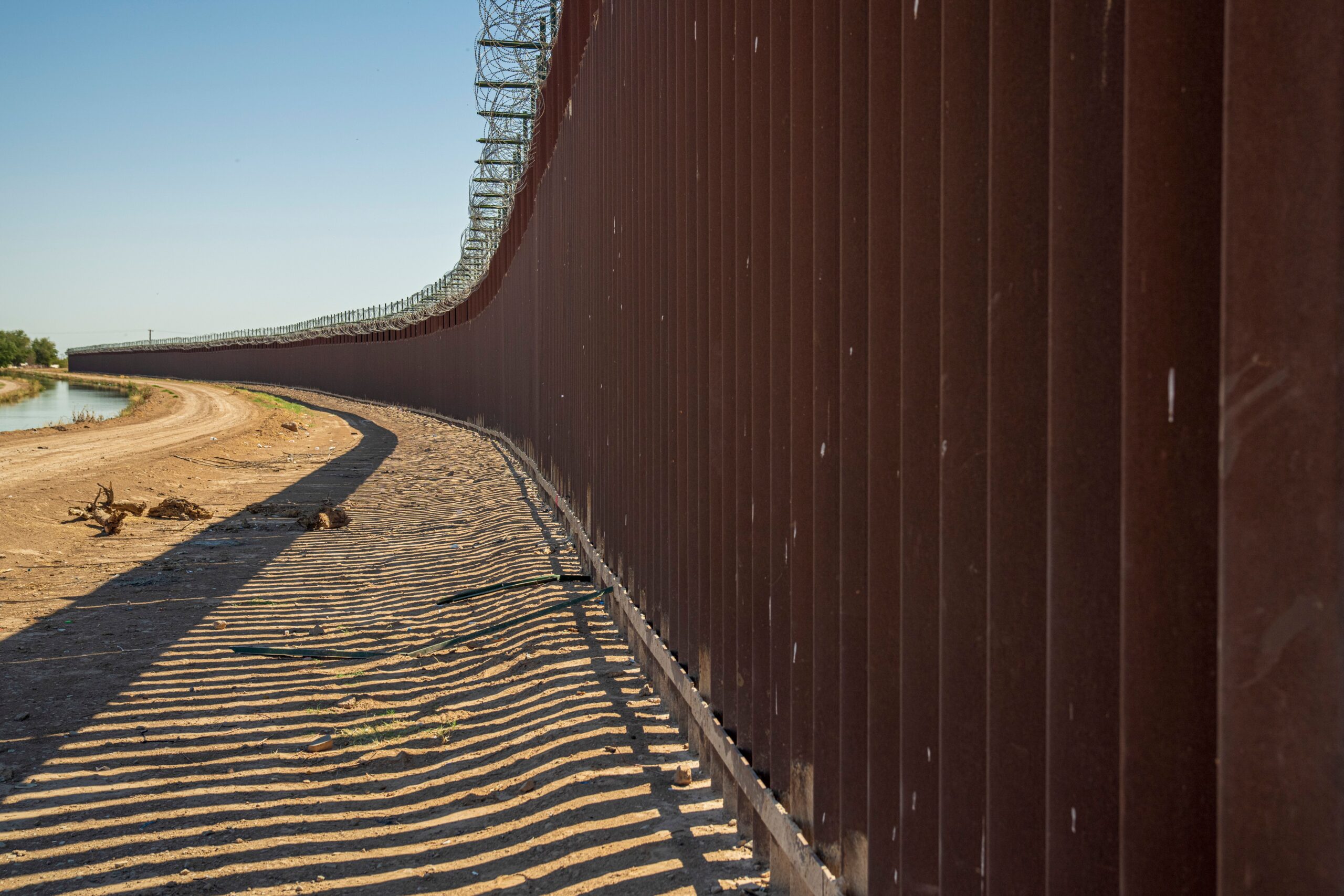
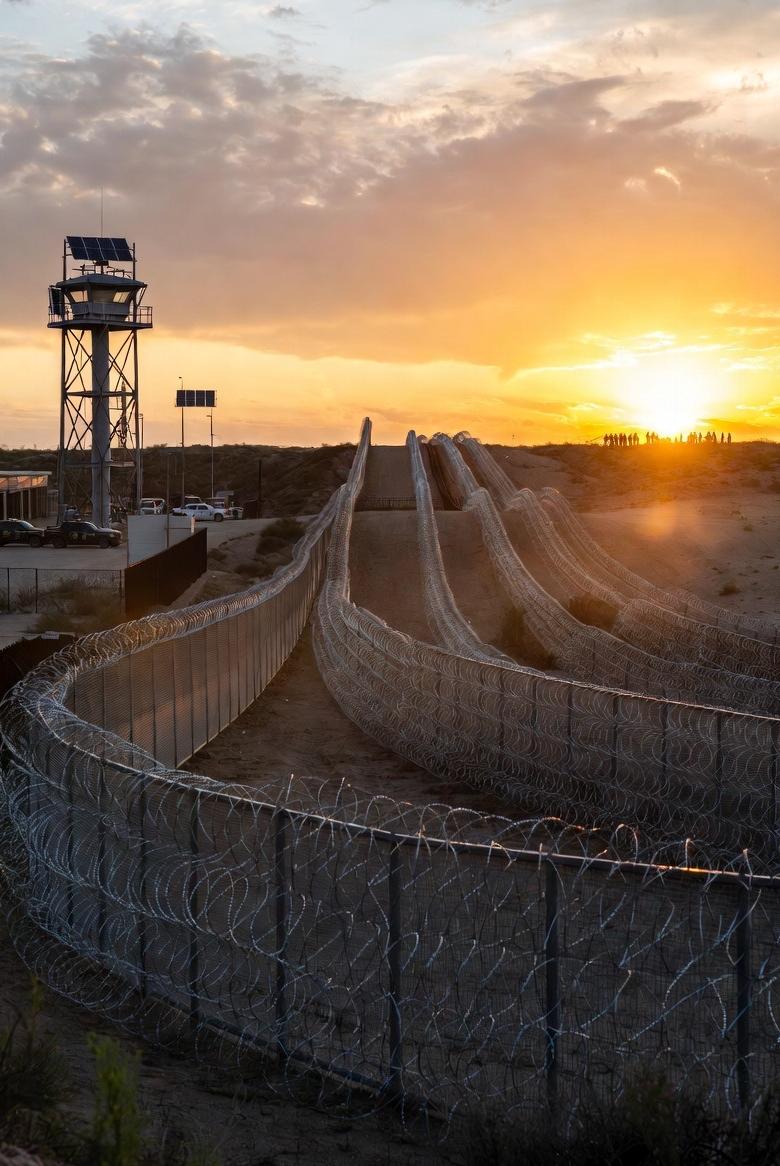
The Supreme Court’s 6-3 decision in Mullin v. Al Otro Lado, issued June 25, held that migrants stopped on the Mexican side of the border have not legally “arrived in the United States” for purposes of federal asylum law. The ruling gives the administration substantially greater discretion to deny asylum processing to people who have not physically entered the country, marking one of the most consequential shifts in U.S. immigration policy in decades.
Although the Court did not eliminate asylum altogether, immigration advocates say the decision dramatically narrows access for migrants seeking refuge from violence, political instability, humanitarian crises and natural disasters. Supporters of the ruling argue it restores the government’s ability to control entry at an increasingly overwhelmed southern border.
Speaking shortly after the decision, Miller described the ruling as a mandate for the administration’s aggressive border strategy.
Scroll to continue reading







“America’s doors are fully closed to asylum seekers,” Miller said, adding that the administration has negotiated agreements with foreign governments to house migrants while their claims are reviewed.
He also dismissed the overwhelming majority of asylum applications filed at the southern border.
“In every case, they’re either criminals, benefit seekers, economic migrants, welfare seekers,” Miller said. “They’re coming to join family members and so forth. But the good news for them is that there are other countries willing to take them.”
Those comments represent the administration’s interpretation of the ruling rather than language contained in the Supreme Court’s opinion. The Court’s decision focused on when a migrant is legally considered to have “arrived” in the United States for purposes of asylum eligibility.
The administration has increasingly linked immigration enforcement to national security, arguing that tougher restrictions are necessary to weaken international smuggling organizations and protect public safety.
Critics counter that such rhetoric unfairly conflates asylum seekers with criminals while ignoring the complex humanitarian reasons many migrants flee their home countries.
Miller also portrayed illegal immigration as inseparable from cartel operations.
“Every single undocumented immigrant is being smuggled by cartels,” he said.
“The profits they earn from that—even smuggling—go into kidnapping, torture, sex trafficking, drug trafficking, fentanyl. You know that when you do it, and it’s a sinful thing.”
Miller praised Homeland Security Secretary Markwayne Mullin for implementing what he described as a more aggressive enforcement strategy. Mullin, who succeeded Kristi Noem earlier this year, has overseen a series of executive actions aimed at strengthening immigration enforcement, including a recent executive order restricting undocumented immigrants from opening or maintaining U.S. bank accounts. Miller called the measure “a critical tool” for enforcement.
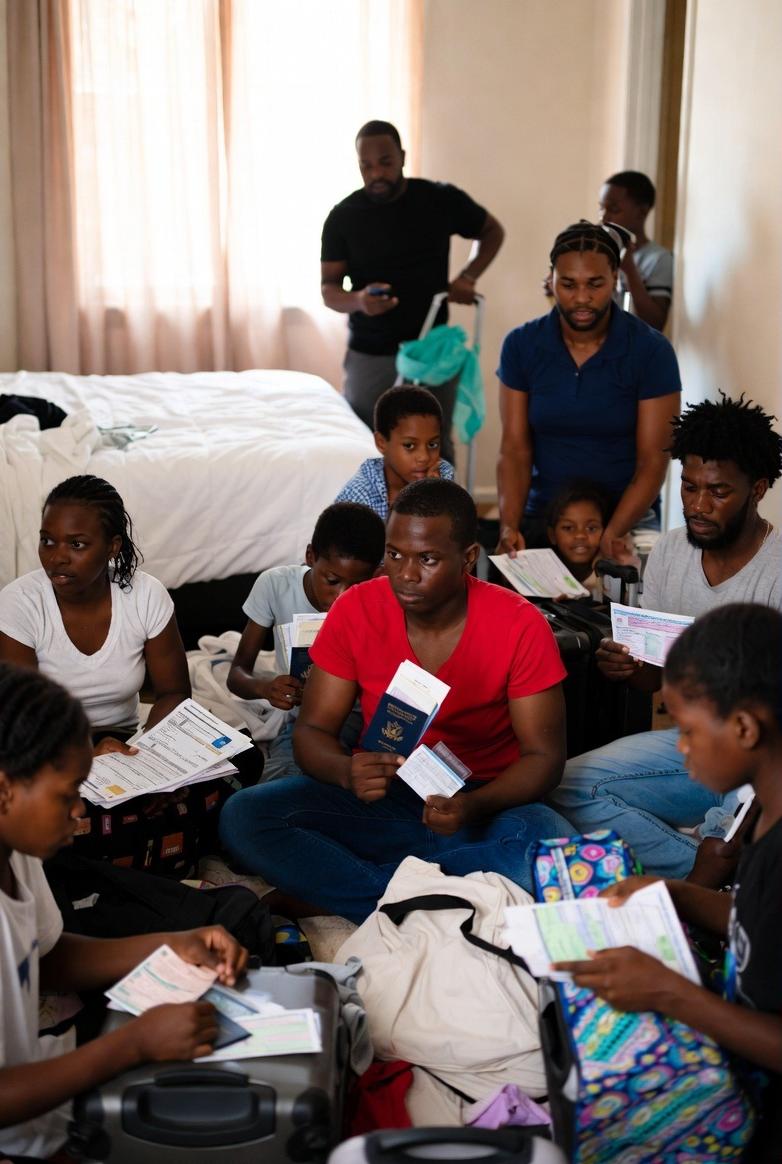
Among those expected to be most affected by the administration’s broader immigration crackdown are Haitian nationals living in the United States under Temporary Protected Status.
Miller devoted significant attention to Haiti, arguing that Haitians whose legal protections expire should be returned to their homeland despite continuing instability there.
“Haitians live in Haiti,” Miller said. “It’s not our position that Haitians should leave Haiti. It’d be crazy for us to say that Haitians shouldn’t live in Haiti—it’s their country.”
He compared conditions in Haiti to violent American cities such as Chicago, St. Louis and Los Angeles, arguing that crime alone does not qualify someone for asylum.
Under U.S. law, asylum generally requires applicants to demonstrate persecution—or a well-founded fear of persecution—based on race, religion, nationality, political opinion or membership in a particular social group, rather than generalized violence or economic hardship. Immigration experts note, however, that Haiti continues to face extraordinary challenges, including widespread gang control, political instability and the collapse of key state institutions.
Separately, the Supreme Court has also allowed the Trump administration to move forward with ending TPS protections for many Haitians and Syrians, further increasing the number of migrants who could face deportation. That case, Mullin v. Doe, is distinct from the asylum ruling but carries significant implications for Haitian communities already living in the United States.
Human rights organizations warn that the asylum ruling could leave thousands of vulnerable migrants stranded in dangerous conditions in Mexico or returned to countries where they face serious threats. Administration officials maintain that agreements with partner nations will provide orderly processing while discouraging unlawful border crossings.
Whether viewed as a long-overdue restoration of border enforcement or a historic retreat from humanitarian protections, the Supreme Court’s decision marks one of the most significant turning points in American asylum policy in decades. As the Trump administration moves quickly to implement the ruling, the future of asylum at the U.S.-Mexico border is being reshaped in real time.
(If You Like/Appreciate This EURweb Story, Please SHARE it!)
MORE NEWS ON EURWEB.COM: Supreme Court Rejects Trump’s Birthright Citizenship Order in Landmark Ruling
We Publish Breaking News 24/7. Don’t Miss Out! Sign up for our Free daily newsletter HERE.