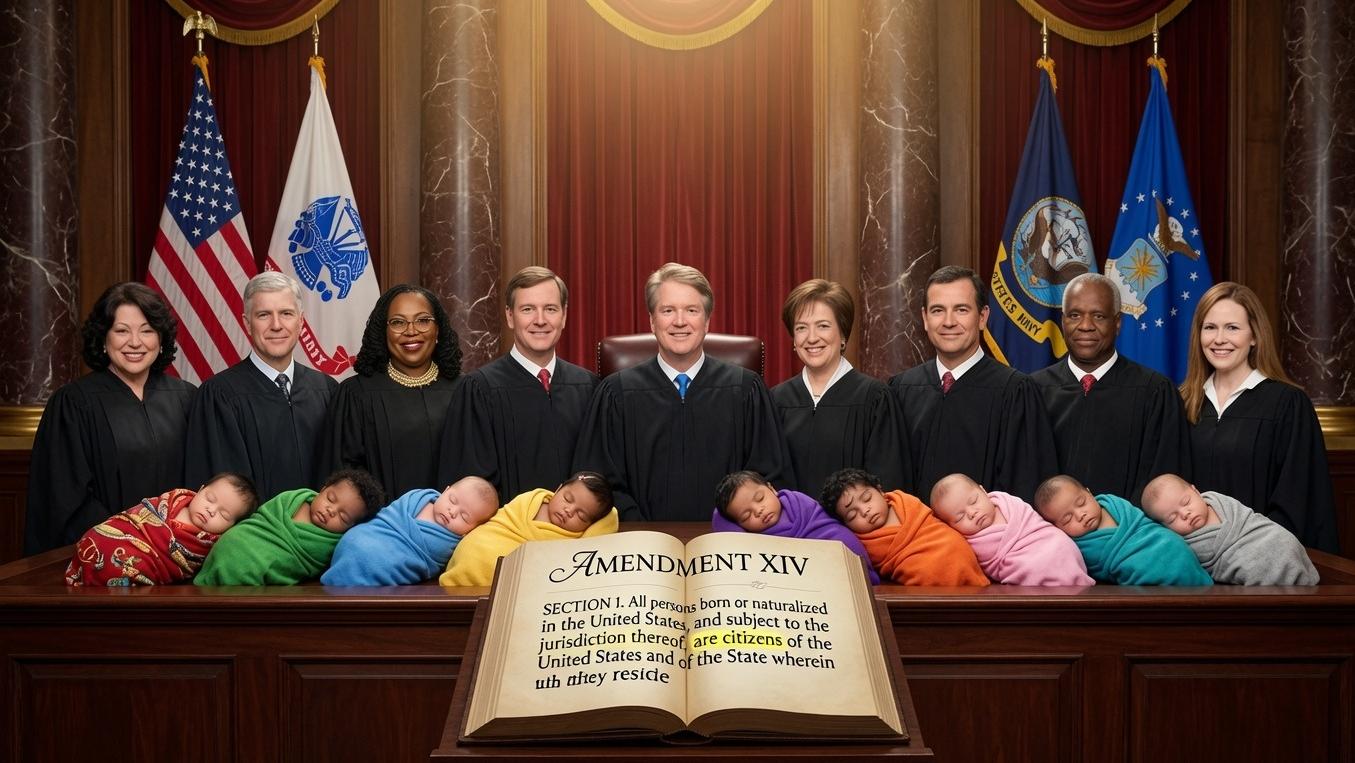
*Millions of Americans awoke Tuesday wondering whether one of the nation’s oldest constitutional protections would survive another legal challenge. By day’s end, the U.S. Supreme Court had delivered its answer. In a landmark 6-3 ruling, the Court struck down President Donald Trump‘s attempt to end birthright citizenship, reaffirming that the 14th Amendment guarantees automatic U.S. citizenship to nearly every child born in the United States.
The decision rejected Trump’s executive order, which sought to deny citizenship to children born in the U.S. whose parents were either in the country illegally or living here temporarily on certain visas. Lower courts had already blocked the order from taking effect, calling it unconstitutional.
Chief Justice John Roberts, writing for the majority, rooted the decision in both the Constitution’s text and more than a century of legal precedent.
“Citizenship, then and now, was the right to have rights. The Framers of the Fourteenth Amendment extended that promise to ‘every free-born person in this land.’ We keep that promise today.”
Scroll to continue reading






Why the Decision Matters
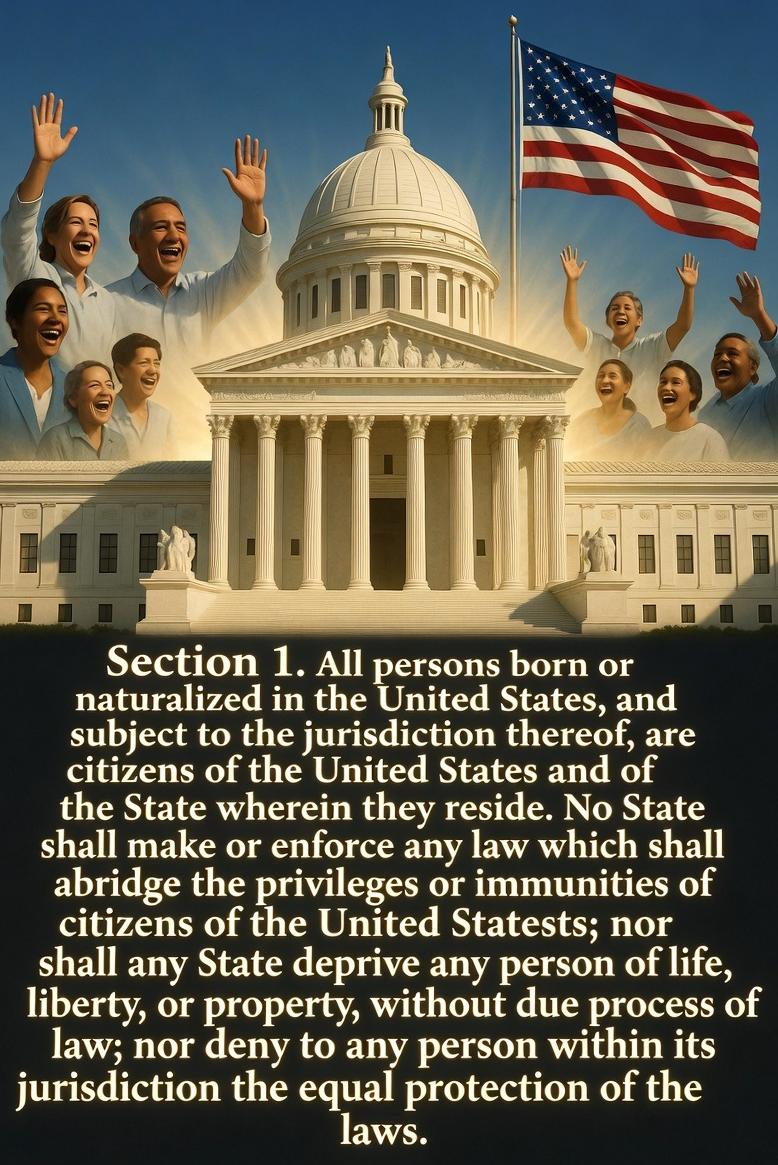
Ratified in 1868 after the Civil War, the 14th Amendment declares that “all persons born or naturalized in the United States, and subject to the jurisdiction thereof, are citizens of the United States.”
The Court also relied on the landmark 1898 case United States v. Wong Kim Ark, which established that children born in the United States are citizens regardless of their parents’ immigration status, with only narrow exceptions, such as children of foreign diplomats. Together, those precedents have defined American citizenship for more than a century.
For millions of American families, Tuesday’s ruling means that one of the nation’s most enduring constitutional protections remains firmly intact.
Civil Rights Groups Applaud the Outcome
Civil rights organizations quickly celebrated the decision, calling it a victory for the Constitution and equal protection under the law.
NAACP President Derrick Johnson described the ruling as “a powerful affirmation of the Constitution and the enduring promise of equality it represents.”
“For over 150 years, the Fourteenth Amendment has guaranteed citizenship to everyone born in this country,” Johnson said. “Today, the court rightly rejected efforts to undermine that core protection.”
The American Civil Liberties Union, which challenged Trump’s executive order, also praised the ruling.
Deputy Director Cody Wofsy called it “a rejection of the Trump administration’s extreme attempts to rewrite the Constitution and to exclude entire portions of American-born children from our country.”
Jackson and Thomas Offer Starkly Different Views
One of the ruling’s most closely watched exchanges came between the Supreme Court’s two Black justices.
Justice Clarence Thomas authored the principal dissent, arguing that the Citizenship Clause was primarily intended to address the legal status of formerly enslaved people after the Civil War and should not be interpreted as broadly as the Court has long held.
Justice Ketanji Brown Jackson sharply rejected that interpretation.
Writing separately, Jackson argued that the framers of the 14th Amendment intended to expand the promise of American citizenship, not narrowly limit it.
“This alternative account pitches Black Americans against immigrants when the advocates who promoted the Fourteenth Amendment did no such thing,” Jackson wrote. “Freed Blacks fought for the shared humanity of all people.”
The exchange highlighted one of the deepest constitutional disagreements within the Court over the meaning and legacy of Reconstruction.
Trump Already Has a New Plan
President Trump responded within hours, calling the ruling “too bad for our Country” while urging Congress to pass legislation restricting birthright citizenship.
The president argued that lawmakers could accomplish through legislation what his executive order could not.
The Supreme Court’s majority opinion reaffirmed that birthright citizenship is rooted in the 14th Amendment itself. While Trump has called on Congress to act, the Court’s decision reinforces that the constitutional guarantee has been recognized for generations, making any effort to permanently alter it through ordinary legislation legally uncertain.
Tuesday’s ruling does more than resolve another legal battle over immigration policy.
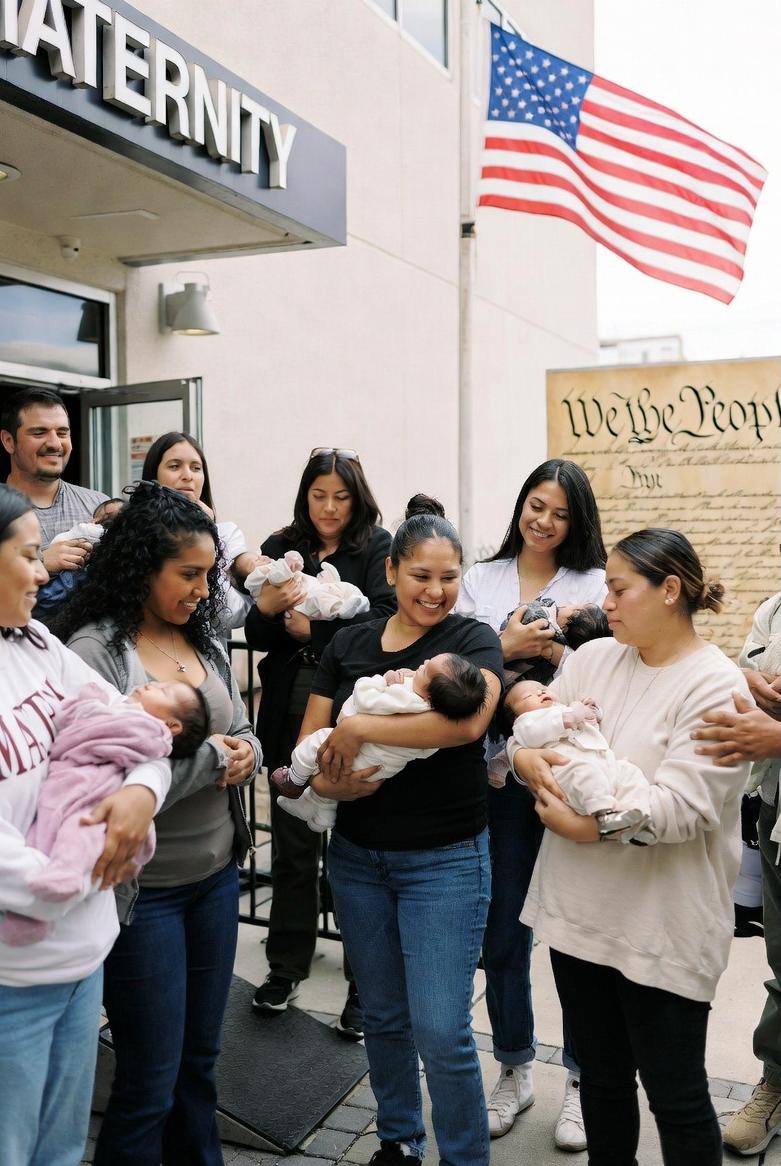
It reaffirms a constitutional promise that has endured since Reconstruction: with only a few narrow exceptions, the place where a child is born—not the immigration status of their parents—determines whether they begin life as an American citizen.
(If You Like/Appreciate This EURweb Story, Please SHARE it!)
MORE NEWS ON EURWEB.COM: Trump Moves for Declassification of Assassination Files While Facing Legal Challenge on Birthright Citizenship | VIDEO
We Publish Breaking News 24/7. Don’t Miss Out! Sign up for our Free daily newsletter HERE.