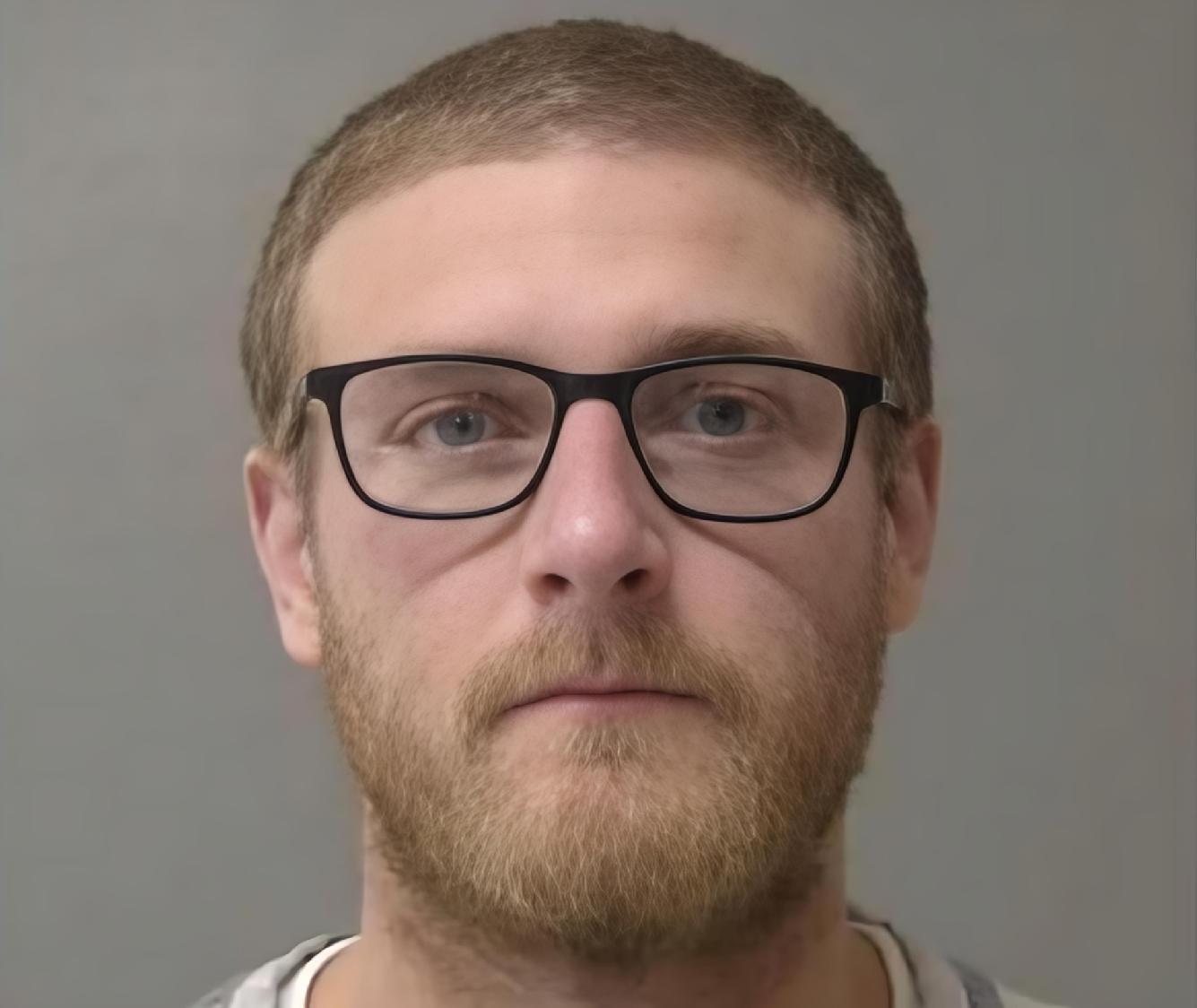
*Sean Grayson, the former Sangamon County sheriff’s deputy convicted of second-degree murder for fatally shooting Sonya Massey inside her Illinois home, has died at age 32. His death comes about 6 months into his 20-year prison sentence.
Grayson’s attorney, Daniel Fultz, confirmed his death Sunday to NPR Illinois. A cause of death and the location where Grayson died had not been publicly confirmed as of Sunday evening.
His death comes less than a month after the Illinois Prisoner Review Board rejected his request for early medical release as he battled Stage 4 colon cancer that his attorneys said had spread to his liver and lungs.
Grayson’s death ends his prison sentence. It does not end the impact of a case that became a national flashpoint over police use of force, law-enforcement hiring practices and what happens when someone calls authorities for help and instead loses her life.
Scroll to continue reading









Medical Release Denied Weeks Before His Death
Grayson had sought release under Illinois’ Joe Coleman Medical Release Act, which allows certain terminally ill or medically incapacitated incarcerated people to apply for early release.
The Illinois Prisoner Review Board unanimously rejected his request July 31. His petition said his cancer was irreversible and incurable and likely to cause his death within 18 months, according to Illinois Public Radio.
As EURweb previously reported, Massey’s family opposed Grayson’s early release. Sangamon County State’s Attorney John Milhiser also argued against the request.
Grayson had been receiving cancer treatment outside an Illinois Department of Corrections facility at an undisclosed location. His illness was documented well before his death, but authorities had not established publicly Sunday that cancer was the cause. That distinction remains important.
Sonya Massey Called 911 for Help
Massey, a 36-year-old Black mother of two, called 911 in the early morning hours of July 6, 2024, because she suspected a prowler was outside her Springfield-area home.
Grayson and another Sangamon County deputy responded. They found no intruder and eventually entered Massey’s home.
The encounter turned deadly in her kitchen.
Body-camera video released after the shooting showed Massey handling a pot of hot water after deputies raised concerns about it. Grayson threatened to shoot her, drew his gun and fired three times. An autopsy determined that Massey died from a gunshot wound beneath her left eye.
Grayson maintained that he feared Massey would throw the hot water at him. Prosecutors argued that his use of deadly force was unjustified and that he had other options.
The Sangamon County Sheriff’s Office fired Grayson after the shooting.
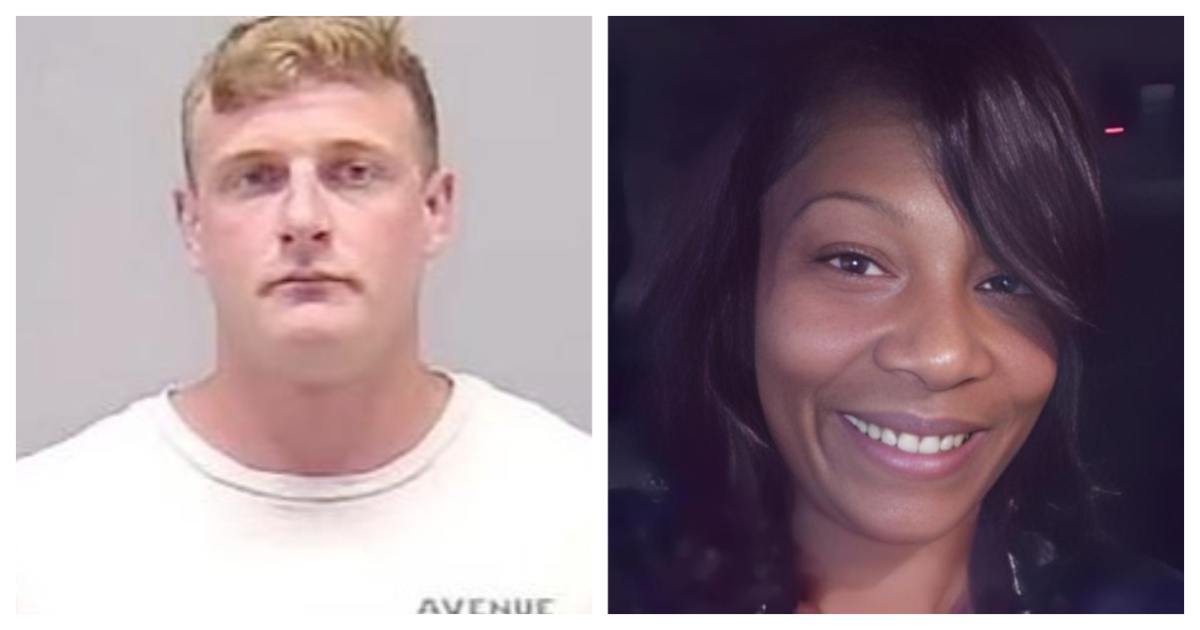
Jury Convicted Grayson of Second-Degree Murder
Grayson initially faced first-degree murder charges, along with aggravated battery with a firearm and official misconduct.
In October 2025, a Peoria County jury convicted him of second-degree murder rather than first-degree murder. Jurors concluded that Grayson believed deadly force was justified but that his belief was unreasonable.
Circuit Judge Ryan Cadagin sentenced him in January to the maximum 20 years in prison, followed by two years of mandatory supervised release.
Grayson’s death came only months into that sentence.
The case also raised scrutiny of his employment history. Before joining the Sangamon County Sheriff’s Office, Grayson had worked for multiple law-enforcement agencies over a relatively short period, with records from previous employers raising questions about his conduct.
Massey’s Killing Brought Changes Beyond the Courtroom
The consequences of Massey’s killing extended well beyond Grayson’s prosecution.
Sangamon County agreed in 2025 to a $10 million settlement with Massey’s family. Illinois lawmakers also approved legislation strengthening background investigations of law-enforcement applicants following scrutiny of how Grayson moved between agencies.
The U.S. Department of Justice became involved as well, ultimately reaching an agreement with Sangamon County and the sheriff’s office involving changes to use-of-force practices, training and crisis response.
Those reforms underscore why the story does not end with the man convicted of killing Massey.
Grayson was 32 when he died, and questions about the precise cause and location of his death remained unanswered Sunday. What is established is what brought him into state custody: Massey called police because she feared someone might be outside her home, and one of the deputies sent to help her ultimately killed her inside it.
Grayson’s 20-year sentence is over. The consequences of Sonya Massey’s killing — for her children, her family and the institutions forced to examine how Grayson became a deputy — remain.
(If You Like/Appreciate This EURweb Story, Please SHARE it!)
MORE NEWS ON EURWEB.COM: Illinois Board Rejects Early Release Request from Ex-Deputy Convicted in Sonya Massey Killing
We Publish Breaking News 24/7. Don’t Miss Out! Sign up for our Free daily newsletter HERE.