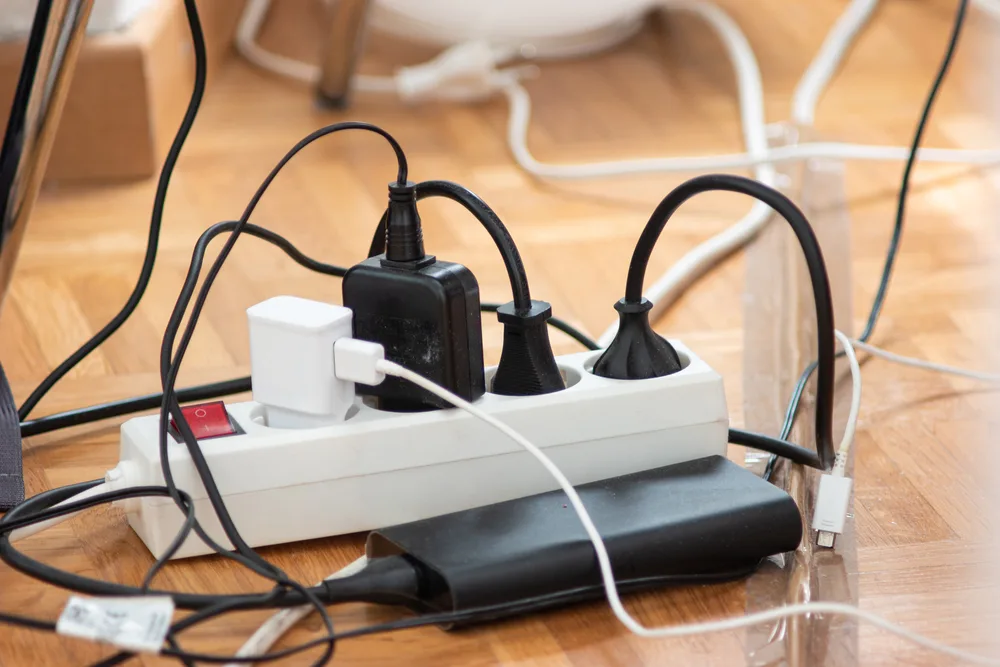
*Power strips offer convenient access to multiple outlets, but using them incorrectly with high-wattage appliances can create serious safety hazards.
As Better Homes and Gardens reports, Ryan Gregor, owner and head electrician at RCG Electrical, with over a decade of experience, explains which items should stay far away from power strips. The primary danger comes from overloading.
Gregor explains that power strips distribute electricity from a single source rather than creating additional capacity. He warns: “If you plug in too many high-wattage devices, you risk overheating, melting the strip, or even starting a fire. Cheap, low-quality strips increase the risk.” Damaged power strips or connected devices further elevate risks of sparks, electrocution, and shocks.
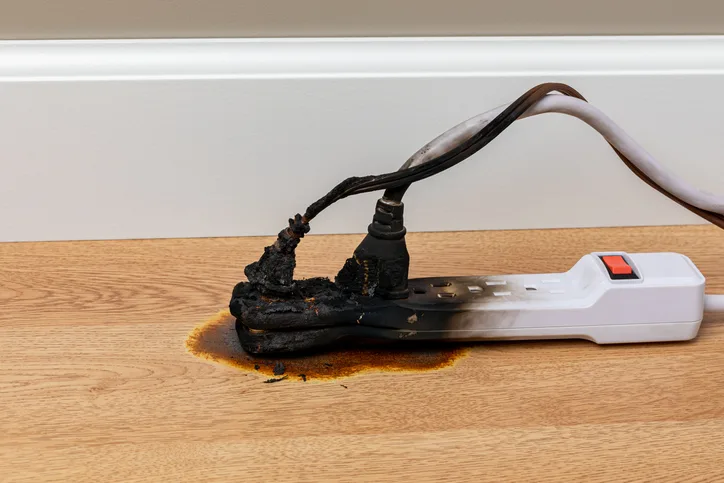
Gregor identifies specific appliances that should never connect to power strips: “Never plug high-power household items like space heaters, air conditioners, microwaves, toasters, fridges, freezers, or power tools into a power strip.” These high-wattage devices must plug directly into wall outlets to function safely. Power strips hidden behind furniture or in enclosed spaces can overheat.
Scroll to continue reading









Low-power electronics remain safe for power strip use. Gregor notes that phone chargers, lamps, TVs, computers, and gaming consoles typically won’t overload the strip. However, these devices can continue drawing electricity even when turned off if the power strip stays on, increasing energy bills and surge exposure.
Gregor offers essential safety guidance: “Buy quality. Cheap power strips are a hazard. Get UL-listed ones with surge protection and unplug them when not in use. If you don’t need it on, kill the power. Use wall outlets for heavy-duty appliances. Power strips aren’t built for high-draw devices.”
Additional safety measures include checking wattage before plugging items in, using surge protectors rather than basic power strips, keeping strips visible and accessible, inspecting cords for damage, and never connecting multiple power strips together. Following these guidelines helps prevent electrical fires and protects both your home and electronics.
MORE NEWS ON EURWEB.COM: 7 Household Devices That Should Never Be Plugged Into Extension Cords
Sign up for our Free daily newsletter HERE.