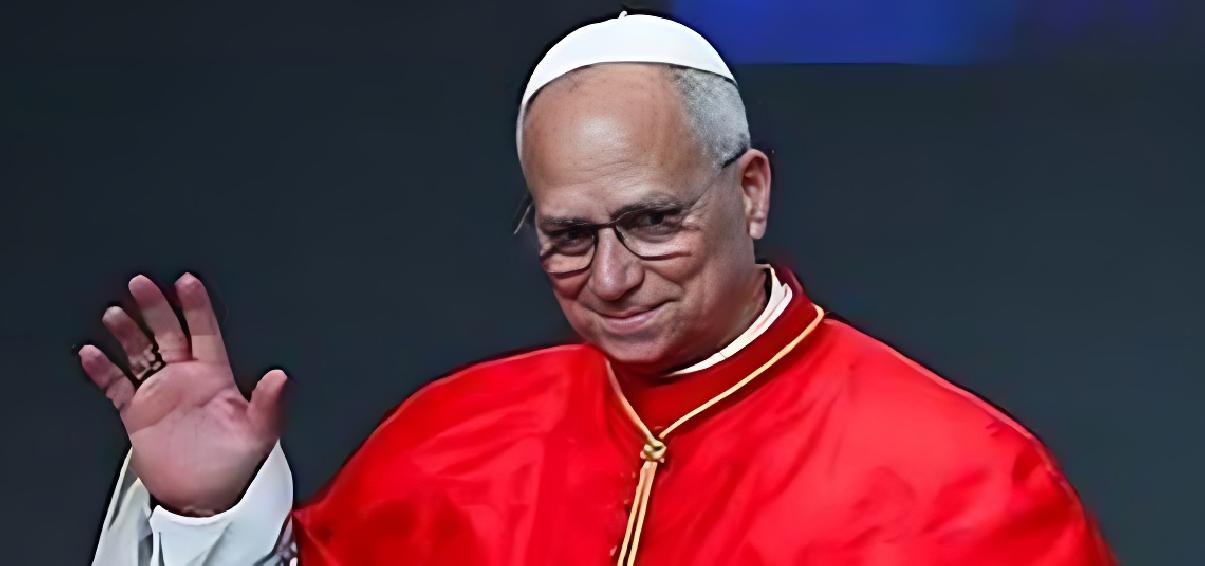
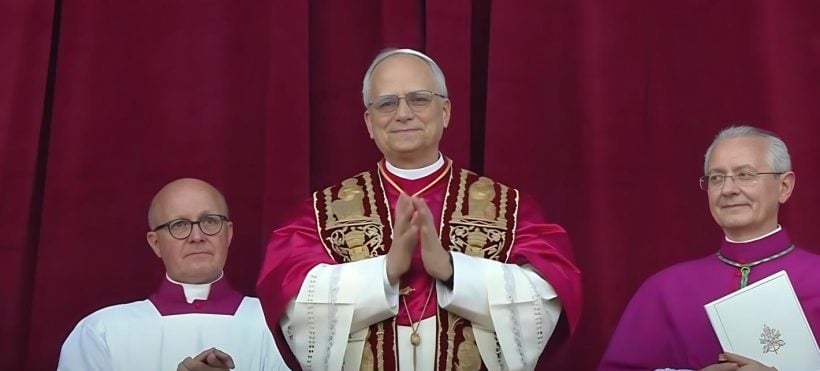
*Pope Leo XIV atoned for the Catholic Church’s role in condoning slavery dating back to the 15th century in a historic apology issued earlier this week. The pope’s statement specifically addressed the actions of past popes and the Holy See‘s approval of policies that allowed the capture, conquest, and enslavement of non-Christian peoples. The Holy See, the central governing body of the Roman Catholic Church, played a significant role in shaping the doctrines and decrees that influenced European colonial expansion.
Those approvals helped legitimize practices that targeted parts of Africa and contributed to the growth of early slave trading systems involving European powers. Because these endorsements came from the highest authorities of the Catholic Church, they provided religious justification for systems of human bondage that would have devastating consequences for generations. The acknowledgment is particularly significant at a time when human trafficking and modern forms of slavery remain global concerns.
“It is impossible not to feel deep sorrow when contemplating the immense suffering and humiliation endured by so many in stark contrast to their immeasurable dignity as persons infinitely loved by the Lord,” Leo wrote. “For this, in the name of the Church, I sincerely ask for pardon.”
Past popes have acknowledged Christian participation in the trans-Atlantic slave trade, but none had directly confronted the Vatican’s own decrees that empowered European rulers to conquer, convert, and enslave non-Christian peoples. Leo’s apology goes further by addressing the institutional role the Church played in legitimizing practices that many historians view as foundational to centuries of colonialism and human exploitation.
Scroll to continue reading







The pope described that legacy as a “wound in Christian memory” and a betrayal of human dignity. He addressed the issue within the framework of the Church’s social doctrine, examining the teachings and actions of previous pontiffs.
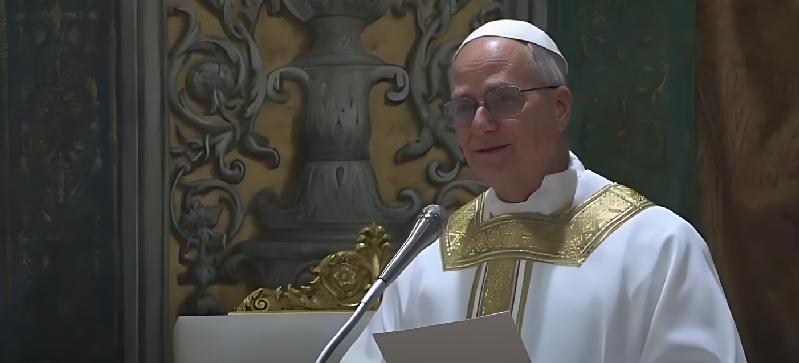
Leo expressed these views in his encyclical, Magnifica Humanitas (“Magnificent Humanity”), a document carrying additional symbolic weight because of his own family history, which reportedly includes both enslaved people and slaveholders.
By apologizing not only for the Church’s silence but also for its active complicity, Leo did what no pope before him had done. He confronted the institutional and theological foundations that were used to justify slavery and offered a corrective at a time when many societies continue to grapple with the legacy of racial injustice and historical oppression.
Historically, the Catholic Church supplied religious authority that European empires often used to justify conquest, land seizure, forced conversion, and enslavement. The Doctrine of Discovery and related papal teachings were cited to rationalize the occupation of non-Christian lands in Africa and the Americas. Scholars and Indigenous advocates have long argued that these ideas became embedded in broader systems of racial hierarchy that persisted long after the colonial era.
While the Catholic Church was not a white supremacist organization in the modern sense, historians have documented how certain Church-sanctioned doctrines helped legitimize structures that treated Europeans as culturally and politically superior to many of the peoples they conquered. Those ideas became intertwined with colonial systems that denied the full humanity and rights of Indigenous, African, and other non-European populations.
That Pope Leo has chosen to address these issues at their historical roots represents a significant moment of accountability for the Church. By acknowledging the role that religious authority played in supporting slavery and conquest, he has opened a new chapter in the Church’s ongoing effort to confront its past and pursue reconciliation with communities affected by centuries of injustice.
Whether the apology ultimately leads to broader institutional reforms remains to be seen. However, Leo’s decision to directly address the Vatican’s historical role in legitimizing slavery marks one of the most consequential acknowledgments of wrongdoing ever made by a sitting pope.
According to the AP, Anthea Butler, a senior fellow at the Koch History Center, Oxford University, said Leo needed to acknowledge and atone for the Catholic Church’s complicity in historic slavery for credibility.
The Vatican officially repudiated the Doctrine of Discovery in 2023, saying it did not reflect Catholic teachings, even though critics argue that repudiation came very late and did not fully erase the doctrine’s legacy.
(If You Like/Appreciate This EURweb Story, Please SHARE it!)
MORE NEWS ON EURWEB.COM: THE AMERICAN PONTIFF: Pope Leo XIV Confirmed to Have African American Ancestry. Can America Handle This Truth? | VIDEO
We Publish Breaking News 24/7. Don’t Miss Out! Sign up for our Free daily newsletter HERE.