*From nineteenth-century traveling exhibitions to modern social media influencers, public attention has often been drawn toward those who can command a crowd. Yet there is a difference between spectacle that entertains and spectacle that corrodes. Increasingly, our national culture seems unable—or unwilling—to distinguish between the two.
Recent controversies surrounding politics, sports, media, and public institutions reveal a troubling pattern. Outrage has become a commodity. Provocation generates attention. Attention generates engagement. Engagement generates revenue. In such an environment, the incentive is no longer to persuade, educate, or inspire. The incentive is to provoke.
Scripture anticipated this danger long ago. Proverbs 29:8 warns, “Mockers stir up a city, but the wise turn away anger.” The Bible recognizes that individuals who profit from conflict can destabilize entire communities. What was true in ancient societies remains true in modern democracies.
One of the clearest examples of this phenomenon can be found in the treatment of former First Lady Michelle Obama. For years, conspiracy theories, insults, and social media attacks have falsely attempted to portray her as transgender despite the absence of any credible evidence. Such claims are not serious political arguments. They are spectacles designed to provoke reactions, attract audiences, and generate clicks.
The attacks are especially troubling because they intersect with America’s long history of racial and gender-based stereotypes directed at Black women. Throughout American history, Black women have frequently endured public attacks questioning their femininity, beauty, intelligence, and humanity. What some dismiss as jokes or internet memes often carry echoes of much older efforts to demean and dehumanize.
Scroll to continue reading









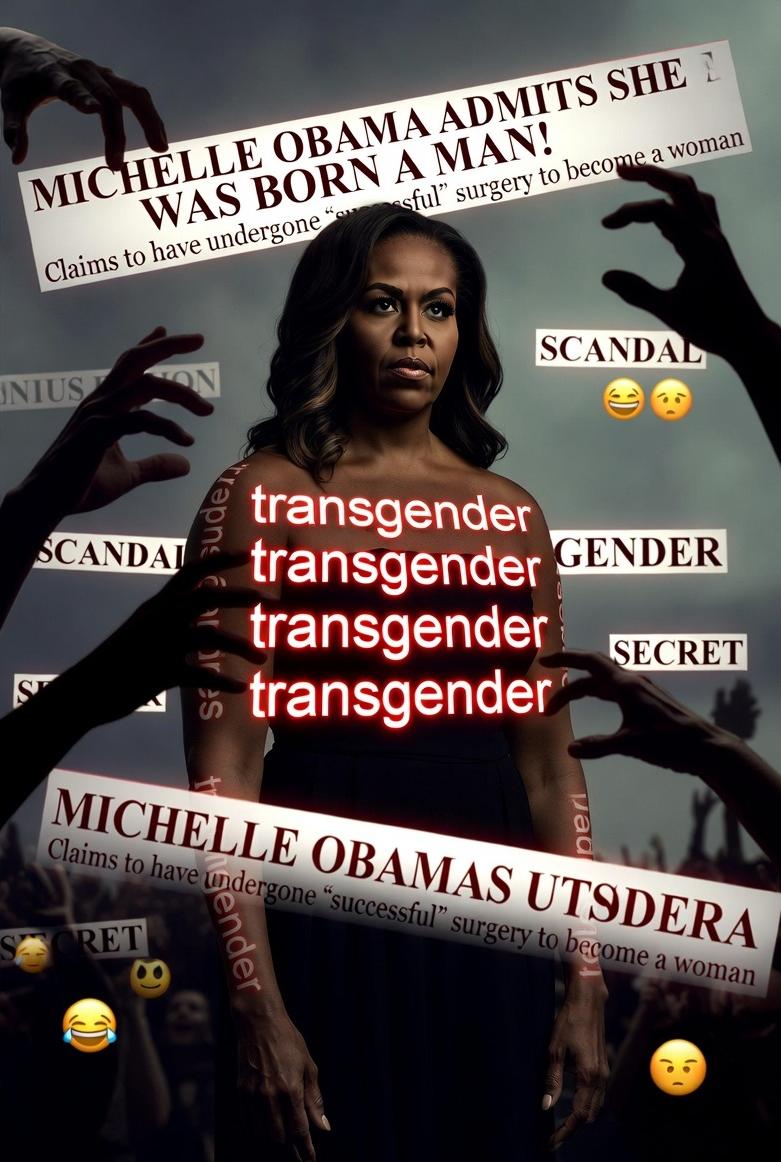
At the same time, these attacks trivialize transgender Americans by reducing complex human experiences into political punchlines. Regardless of where one stands on questions surrounding gender identity, accusations of being transgender should not function as insults. When public discourse turns human beings into targets for ridicule, society loses part of its moral foundation.
James 3:9-10 offers a powerful warning for our present moment: “With the tongue we praise our Lord and Father, and with it we curse human beings, who have been made in God’s likeness. Out of the same mouth come praise and cursing. My brothers and sisters, this should not be.” The issue is not political correctness. The issue is human dignity.
The consequences extend far beyond social media. When controversy becomes the primary product, civic life itself begins to change. Public institutions that once symbolized collective democratic values risk becoming stages for performance, branding, and ideological warfare.
As a social historian, I am reminded that America has witnessed similar moments before. During the late nineteenth and early twentieth centuries, sensational newspapers discovered that fear sold better than facts. Political promoters learned that controversy attracted larger crowds. Entertainers understood that emotional reactions filled seats. The public became consumers of spectacle.
What distinguishes the present moment is the speed and scale. A provocative statement can circle the globe within minutes. Algorithms often reward anger and division because emotional content generates engagement. Public discourse increasingly elevates those who command attention rather than those who contribute understanding.
The result is a culture that rewards visibility over virtue.
Public spaces, government buildings, national commemorations, and civic ceremonies carry significance because they belong to all citizens. These institutions remind us that democracy is larger than any single political movement or personality. Yet when these spaces become backdrops for partisan performance, their meaning begins to change. Civic symbolism becomes political branding. Public service becomes entertainment. Citizenship becomes spectatorship.
The danger is not merely political. It is spiritual.
The Apostle Paul instructed believers in Philippians 2:3, “Do nothing out of selfish ambition or vain conceit. Rather, in humility value others above yourselves.” Outrage culture rewards the opposite. It celebrates self-promotion, public humiliation, and personal branding. Humility rarely trends. Wisdom seldom goes viral.
Sports provide a revealing lens through which to view these developments. Athletic competition has historically represented discipline, sacrifice, perseverance, and respect among competitors. At its best, sport reflects excellence and character. Yet even sports increasingly find themselves influenced by the economics of outrage. Viral controversies often receive more attention than acts of sportsmanship. Headlines gravitate toward conflict rather than character.
The issue is not whether controversial voices should be silenced. Free societies require broad protections for speech. The more important question is what we choose to celebrate. Which values receive the loudest applause? Which behaviors receive the largest platforms? Which examples are held before the next generation?
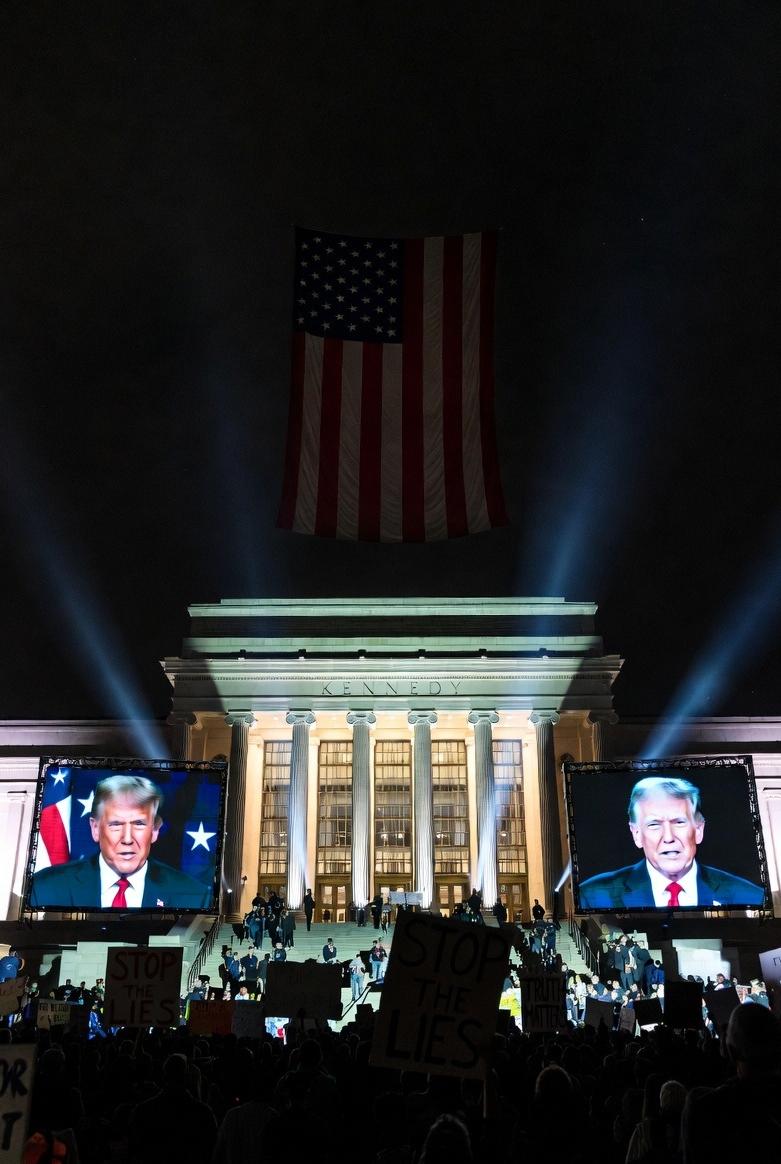
History suggests that public culture ultimately reflects collective choices. Citizens are not merely spectators. Through their attention, spending, applause, and silence, they help determine what becomes acceptable. Institutions respond to incentives. Media organizations produce more of what attracts audiences. Political movements emphasize what energizes supporters. Cultural norms evolve according to what communities tolerate and encourage.
This is why the reactions to public controversies often matter more than the controversies themselves. The real story is frequently found not in the individual who makes a provocative statement but in the broader response. Do citizens reject cruelty when it appears? Do leaders model restraint and responsibility? Do institutions defend principles that transcend partisan advantage?
At a time when public trust in government, media, education, and civic institutions remains fragile, these questions become even more urgent. Rebuilding trust requires more than policy reforms. It requires a renewed commitment to integrity, accountability, humility, and mutual respect.
Micah 6:8 provides a timeless roadmap: “What does the Lord require of you? To act justly and to love mercy and to walk humbly with your God.”
Justice. Mercy. Humility.
Those virtues do not generate the same clicks as outrage. They rarely dominate headlines. Yet they remain essential to the survival of democratic societies.
History offers a cautionary lesson. Democracies are not sustained by entertainment alone. They endure because citizens defend shared norms, strengthen institutions, and recognize that public life requires obligations as well as rights.
When every stage becomes a battlefield and every controversy becomes a performance, the bonds that connect citizens begin to weaken.
The future of American public culture will depend upon whether we can rediscover the difference between visibility and virtue, between fame and leadership, and between spectacle and citizenship.
Outrage will always exist.
The question is whether we allow it to become the main event.
Sources
Pew Research Center — Political Polarization and Public Trust
Gallup — Confidence in U.S. Institutions
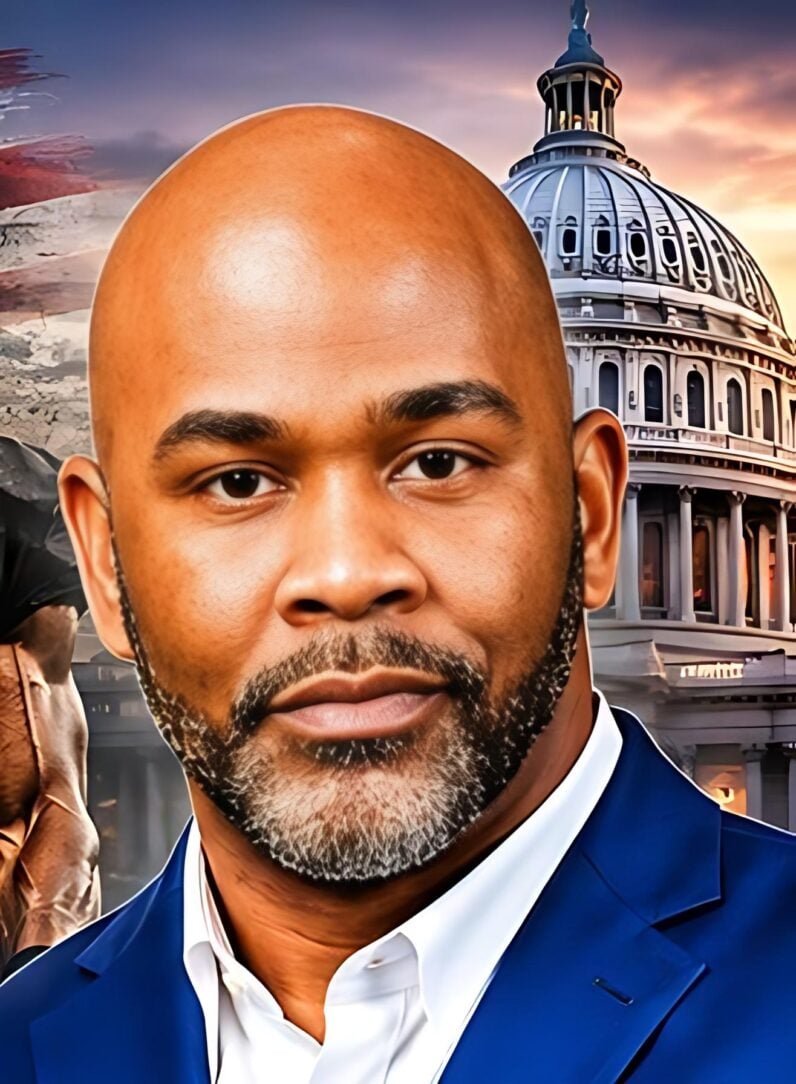
Edmond W. Davis is a social historian, journalist, retired history professor, socioemotional intelligence expert, author of multiple historical texts, Arkansas’s first and only Tuskegee Airmen history textbook, and an international speaker. Davis had a role as a Shelby County Courtroom Jail Deputy on the NBC TV series Bluff City Law. He is a former director of the Derek Olivier Research Institute for the Prevention of Gun Violence. Davis is also the founder of the National HBCU Black Wall Street Career Fest and an Amazon #1 author. Contact him via www.edmondwdavis.com.
(If You Like/Appreciate This EURweb Story, Please SHARE it!)
MORE NEWS ON EURWEB.COM: Georgia Family Says Armed Man Opened Fire at Family Reunion | VIDEO
We Publish Breaking News 24/7. Don’t Miss Out! Sign up for our Free daily newsletter HERE.