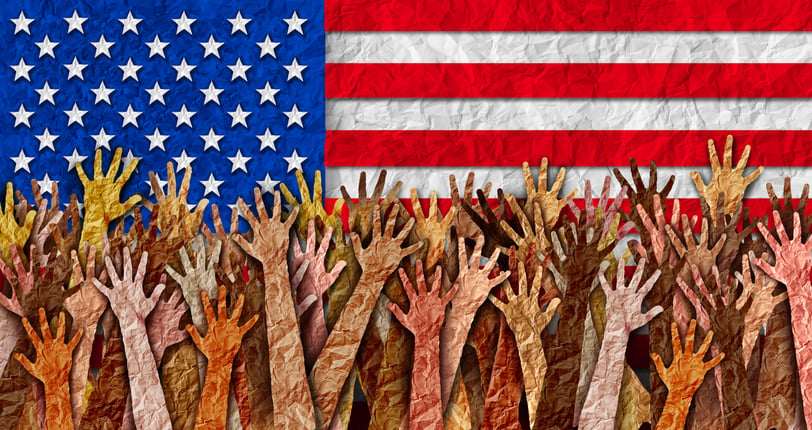
*America’s multiracial population is expanding at a rapid pace, yet the systems used to measure race have not kept up with this shift. As a result, key institutions are working with data that often fails to reflect how people actually identify themselves. This disconnect is influencing decisions in areas ranging from elections to healthcare access, AXIOS reports.
Census figures highlight the scale of change, with the number of people identifying as multiracial rising from 9 million in 2010 to 33.8 million in 2020. Growth is expected to continue, though projections remain uncertain because they depend heavily on how race is categorized and recorded. The challenge lies not just in population increases, but in the complexity of identity itself.
Modern census practices allow individuals to select more than one race, a shift from earlier decades when race was assigned by enumerators. Even so, people may identify differently depending on context, time, or survey design. This fluidity makes consistent measurement difficult and can produce conflicting data across studies examining the same group.
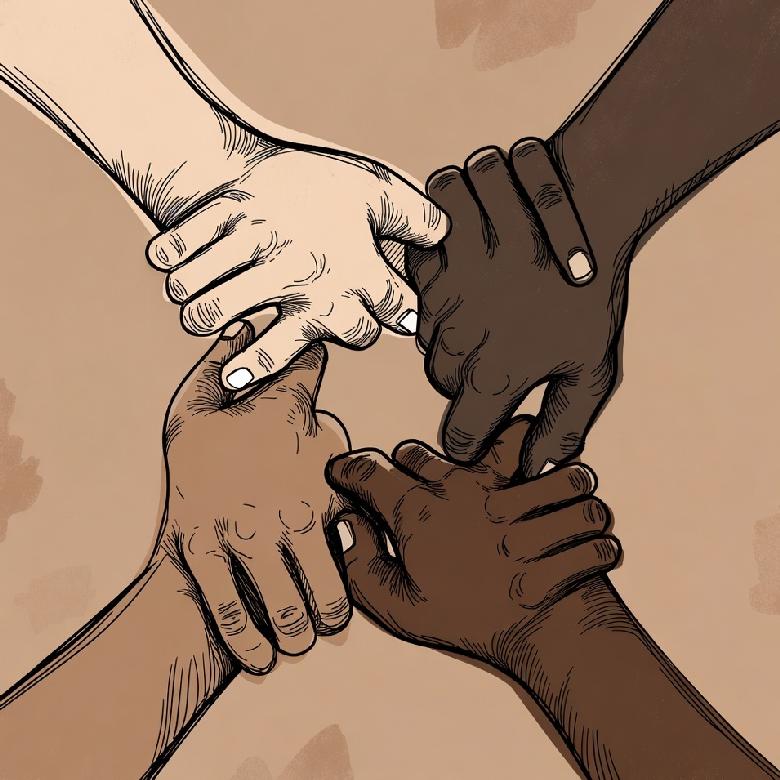
Complicating matters further, the multiracial population is not a single category but a collection of dozens of racial combinations. This diversity makes broad analysis challenging and raises questions about whether shared experiences can be meaningfully compared. Data inconsistencies can lead to varying conclusions about political behavior, inequality, and even population size.
Scroll to continue reading







“This raises a question of whether there is a coherent mixed-race experience such that a person who reports to be mixed-race white and Black will have the same racialized experiences as a person who reports to be mixed-race Japanese and Mexican,” per a study on Multiracial Americans by UCLA’s The Civil Rights Project.
The consequences extend beyond statistics. In healthcare settings, misidentification and bias can erode trust and affect patient outcomes. Legal frameworks also tend to group multiracial individuals into a single category, which can obscure the nature of discrimination they face. Similarly, policy tools like redistricting may reclassify individuals in ways that do not reflect their identities.
As racial identity continues to shift, many institutional systems still depend on rigid classifications that don’t reflect this reality. The disconnect means large numbers of individuals may be inaccurately counted or poorly represented in the data used to guide major decisions, shaping outcomes in ways that don’t fully account for their lived experiences.
MORE NEWS ON EURWEB.COM: STARZ Announces New Drama Set in the World of Black Rodeo
Sign up for our Free daily newsletter HERE