*Forty-one years later, I can still hear the helicopters.
I was a 9-year-old student in West Philadelphia when the city I called home transformed into a war zone. Long before America normalized militarized policing, armored tactics, and state violence, televised in Black communities, I witnessed something no child should ever see: a government preparing to bomb its own citizens.
The City of Brotherly Love became something else entirely.
I remember the noise. The hovering aircraft. The panic in the air. The sirens. The smoke. The fear adults tried to hide from children. I was just a boy, a Hamilton Public School student, but I understood enough to know something terrifying was happening.
Scroll to continue reading


Then it happened.
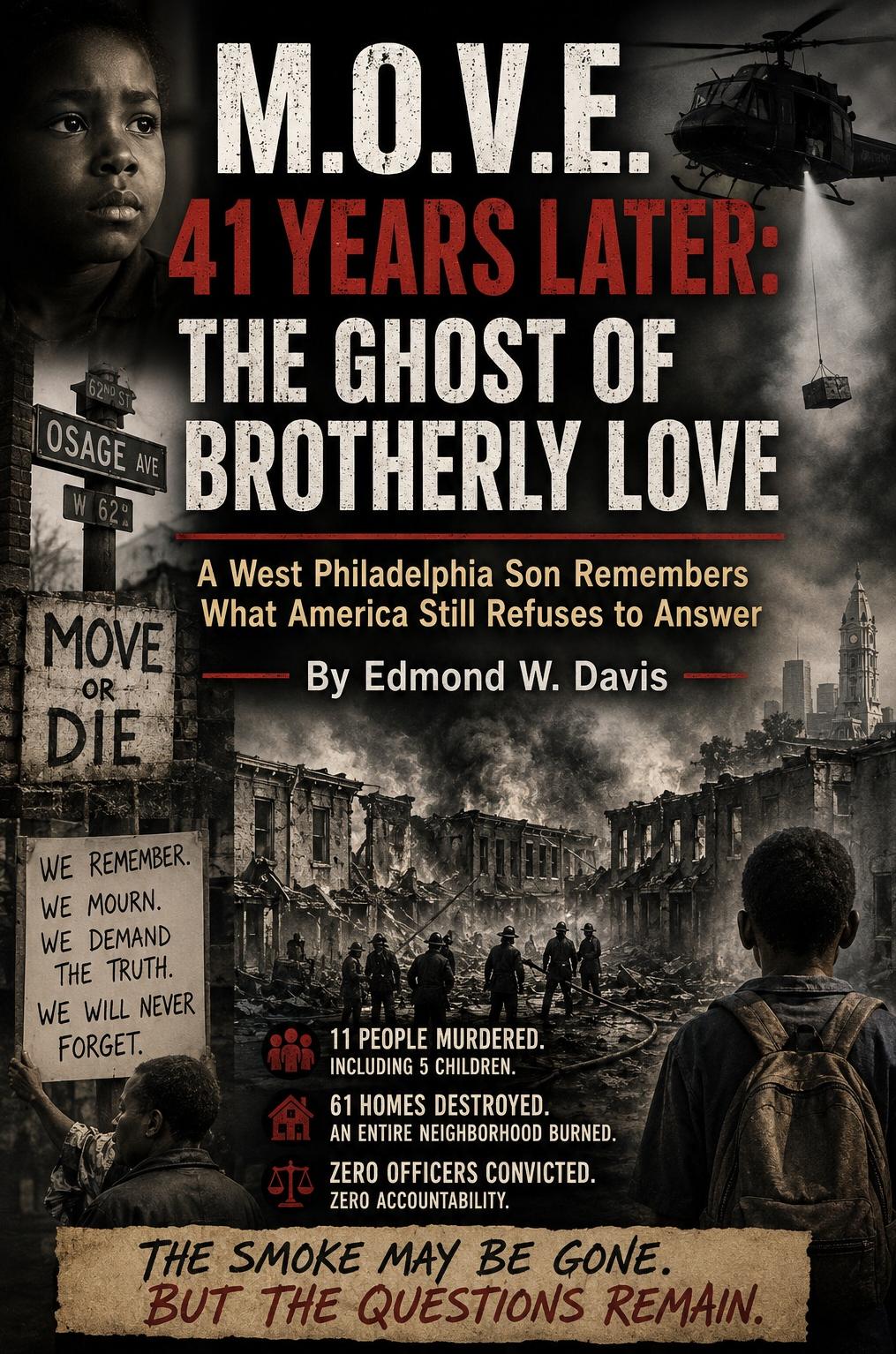
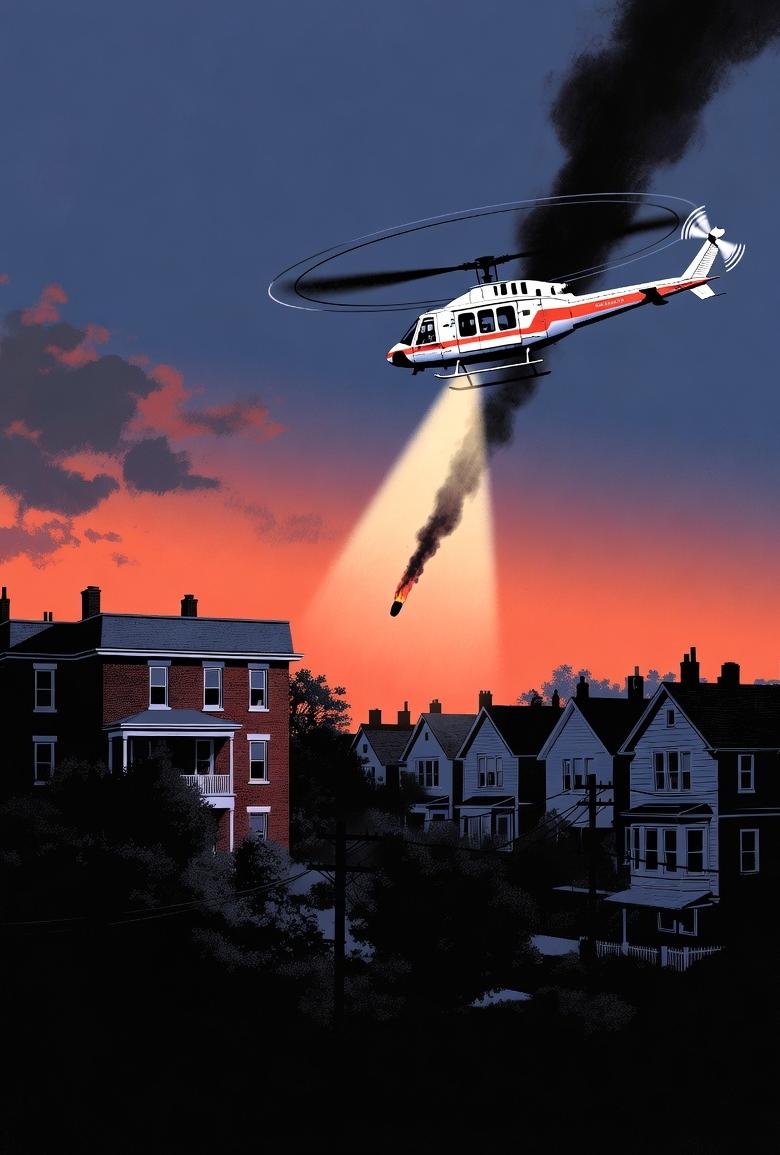
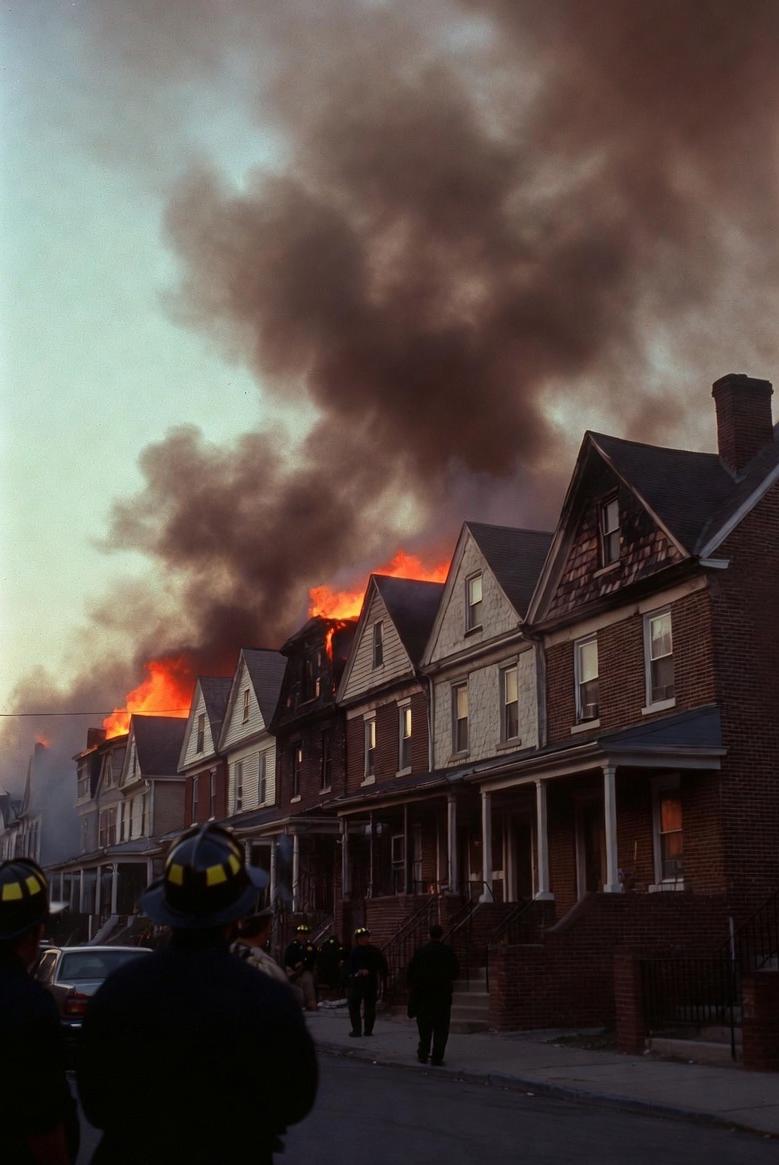
Philadelphia police dropped an explosive device from a helicopter onto the MOVE compound at 6221 Osage Avenue, occupied by members of MOVE, a radical Black liberation and back-to-nature organization founded by John Africa (1931-1985). The resulting inferno killed 11 people, including five children, and destroyed 61 homes, leaving an entire predominantly Black neighborhood in ashes.
And no one served criminal time.
Let that sit.
“Woe unto them that decree unrighteous decrees and that write grievousness which they have prescribed.” — Isaiah 10:1
The United States of America has a long, white, and brutal tradition of state-sanctioned Black destruction with no accountability. The U.S. first dropped bombs on its citizens in Elaine, Arkansas, in 1919 and in Tulsa, Oklahoma, in 1921, before the Philly police did in 1985. At almost every angle, African Americans were terrorized and killed.
From the lynching epidemic that claimed more than 4,000 documented African Americans between the late 19th and mid-20th centuries, to Tulsa in 1921, when Black Wall Street was burned from the sky, to Rosewood, Florida, where Black prosperity was erased through racial terror, the pattern remains chillingly familiar.
Black Death. Public trauma. Historical amnesia. No justice.
Philadelphia’s MOVE bombing belongs in that archive.
And yet somehow, many Americans still treat it like an obscure footnote instead of what it was: one of the most shocking acts of domestic state violence in modern U.S. history.
Yes, MOVE was controversial.
Neighbors complained about the group’s confrontational tactics, loudspeaker activism, and ideology. The city had a documented history of conflict with MOVE dating back years, including the deadly 1978 confrontation that led to convictions of MOVE members.
But let us be morally clear:
No disagreement with a group justifies dropping explosives on a residential neighborhood.
No policy dispute justifies allowing children to burn alive.
No democratic government should operate like an occupying military force against its own citizens.
Philadelphia had a Black mayor in Wilson Goode. That historical fact makes this tragedy more complicated—but not less tragic.
Representation without accountability is symbolism without substance.
The uncomfortable truth is this: Black leadership inside white institutional power structures does not automatically produce justice.
The police were there.
The fire department was there.
City officials were there.
And still, the fire was permitted to spread.
That decision alone haunts history.
“Learn to do right; seek justice. Defend the oppressed.” — Isaiah 1:17
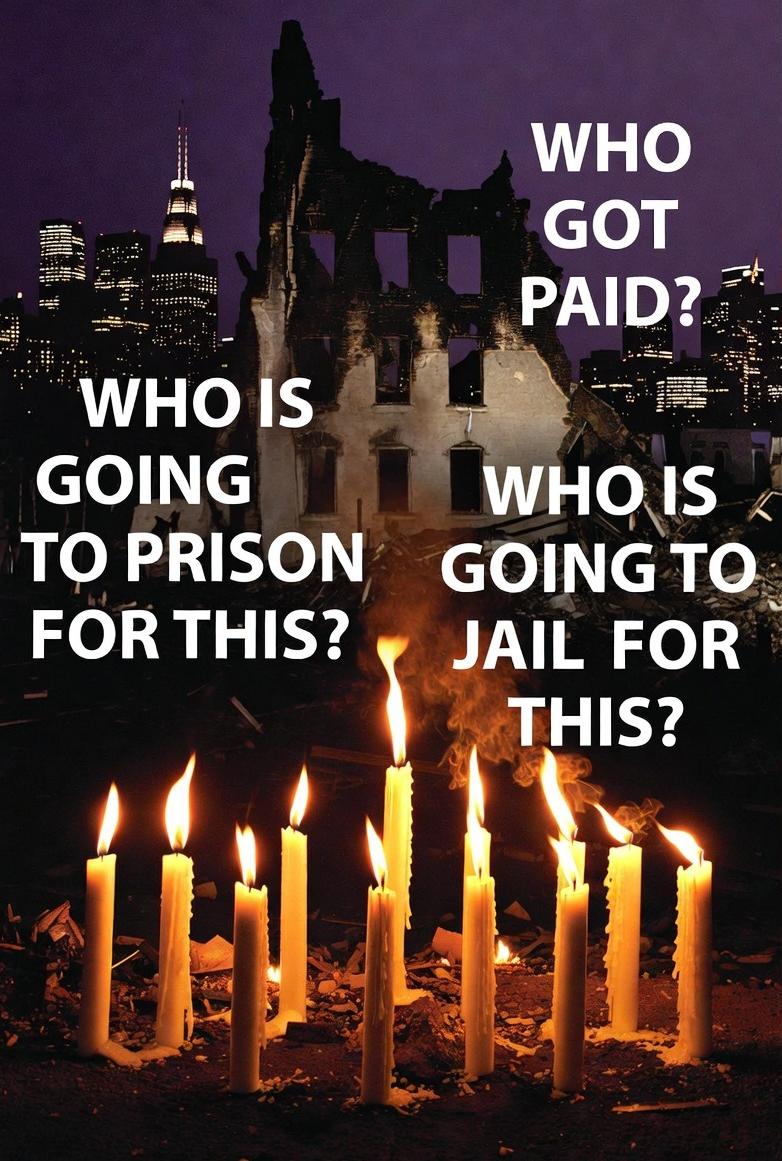
Forty-one years later, the ghosts of Brotherly Love still ask questions the city has never fully answered:
Unanswered Questions: Philadelphia Still Owes History
- Who specifically authorized the final decision to drop the explosive device?
- Why was a military-style tactic deemed appropriate for a civilian residential block?
- Why was the fire initially allowed to burn instead of being aggressively extinguished?
- Did city officials fully understand children were inside?
- What exact communications occurred between police command, fire officials, and City Hall?
- Why was no criminal prosecution ever pursued against decision-makers?
- Would this response have happened in a wealthy white neighborhood?
- Why has MOVE not been deeply embedded into standard Philadelphia public-school curriculum?
- Why did the city maintain possession of victims’ remains for decades in controversial academic handling?
- What accountability truly exists when a city kills its own citizens?
Those are not rhetorical flourishes.
They are historical indictments.
As a native son of West Philadelphia, I remember what the air smelled like after.
Smoke has memory.
So do communities.
For some Americans, MOVE is history.
For some of us, MOVE is childhood.
I later experienced homelessness with my family. I learned early that systems often fail vulnerable Black families while demanding we trust them anyway.
That reality shaped my life.
It shaped my scholarship.
It shaped my voice.
Today, as a social historian, professor, journalist, and public intellectual, I refuse to allow this event to be softened into sterile textbook language.
Because this was not merely a “police operation gone wrong.”
It was a catastrophic moral failure.
“There is nothing concealed that will not be disclosed, or hidden that will not be made known.” — Luke 8:17
History eventually forces truth into daylight.
The MOVE bombing teaches painful but necessary lessons:
Police militarization turns neighborhoods into battlefields.
Government overreach becomes deadly when dissent is criminalized.
Black suffering is too often contextualized instead of condemned.
And public memory is often selective when institutions are embarrassed.
The City of Brotherly Love cannot claim healing without honesty.
Philadelphia cannot market itself solely through Rocky, the Liberty Bell, the Eagles, cheesesteaks, the LOVE statue, and civic nostalgia while leaving Osage Avenue emotionally unresolved.
A city’s greatness is measured not by its slogans but by its willingness to confront its sins.
The MOVE victims deserve more than anniversary remembrance.
They deserve truth.
They deserve institutional humility.
They deserve educational permanence.
And America deserves to understand this was not an anomaly.
It was part of a broader national tradition where Black communities too often experience overwhelming state force without meaningful accountability.
Forty-one years later, the smoke may be gone.
But the questions remain.
And some ghosts do not rest until truth is spoken aloud.
Rest in power to the 11 souls lost on Osage Avenue.
Your Philly Son,
Edmond W. Davis
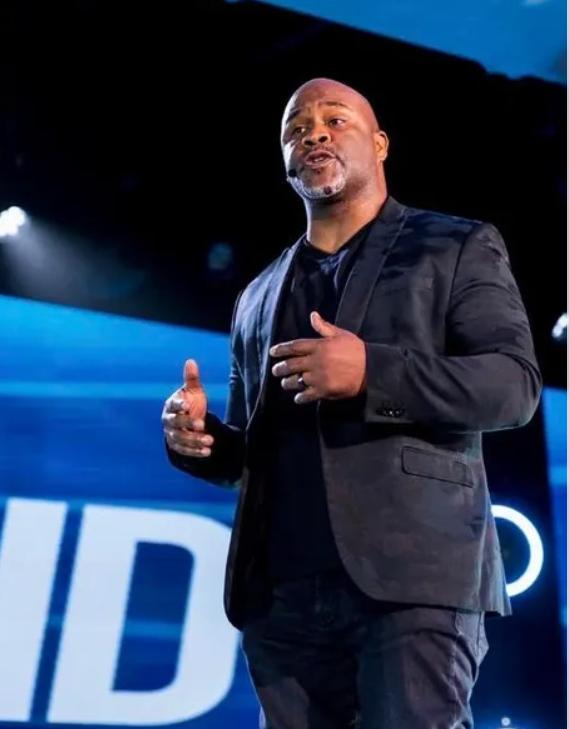
ABOUT THE AUTHOR
Edmond W. Davis is an American social historian, international speaker, and Amazon #1 bestselling author. He is a global authority on the Tuskegee Airmen and serves as the founder and executive director of the National HBCU Black Wall Street Career Fest. A native of Philadelphia, PA, and current resident of Little Rock, AR, Davis is committed to cultural empowerment and educational equity through storytelling and civic engagement. Davis is a grand marshal at the 38th Annual African American History Month Celebration Parade.
(If You Like/Appreciate This EURweb Story, Please SHARE it!)
MORE NEWS ON EURWEB.COM: A Q&A: The GOP and its White Supremacist-in-Chief
We Publish Breaking News 24/7. Don’t Miss Out! Sign up for our Free daily newsletter HERE.