*If lone holdout Clancy trial juror Michael Desronvil had been convicted of domestic violence, that would be a serious matter. But the larger question is what an allegation about his past has to do with his vote to convict Lindsay Clancy.
Consider the issue another way.
If Clancy had been the victim of domestic violence, her alleged abuser was on trial, and Desronvil was the lone juror voting to acquit despite overwhelming evidence of guilt, an arguable case could be made that allegations of domestic violence in his own past raised questions about his impartiality.
But that was not the case.
The issue, then, is whether alleged prior misconduct by a juror is enough to conclude that his vote in an unrelated criminal trial was hopelessly tainted.
Scroll to continue reading




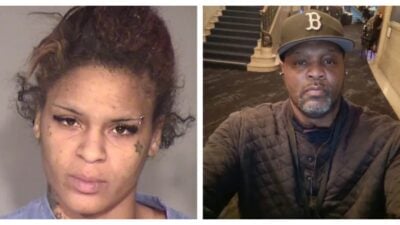



Much has also been made of claims that Desronvil lied on his jury questionnaire about a prior arrest. Desronvil disputes that assertion and has publicly insisted, “I did not lie.”
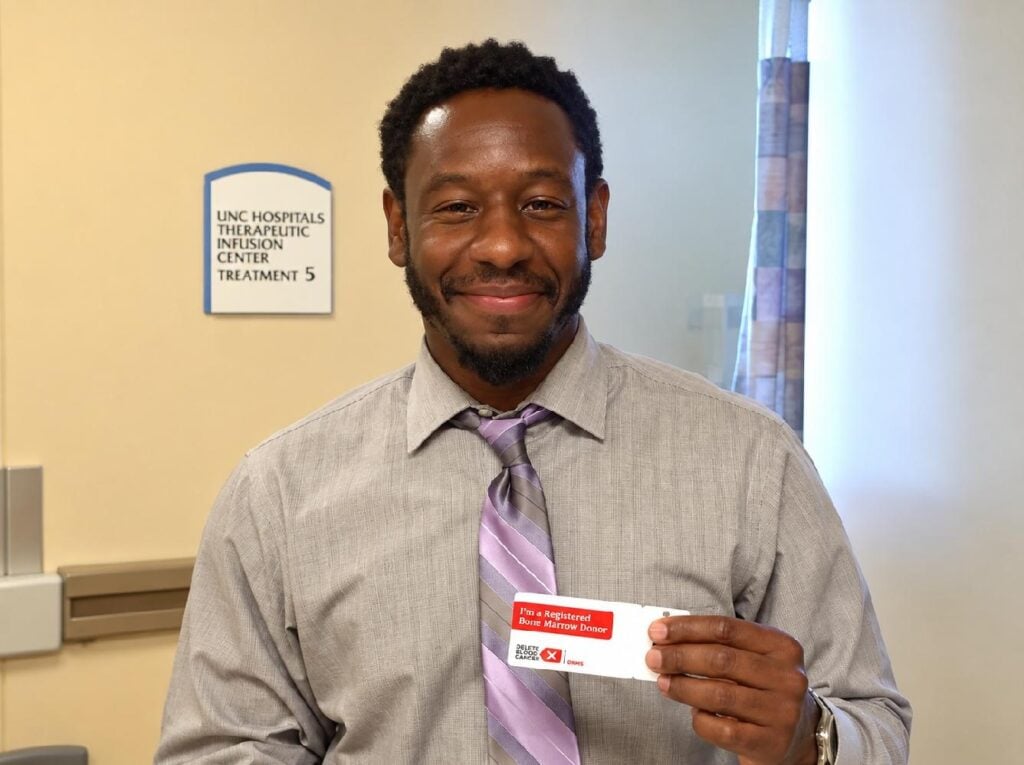
That question matters. If a juror deliberately concealed information during jury selection that should have been disclosed, it deserves scrutiny. But that is different from saying an allegation or arrest in a juror’s past automatically disqualifies the juror or invalidates his judgment in a case.
Massachusetts law does not permanently bar people with felony convictions from jury service. A person is generally disqualified if convicted of a felony within the previous seven years, is currently facing a felony charge, or is incarcerated. Older criminal history does not necessarily prevent jury service.
That distinction has been largely lost in the rush to dissect Desronvil’s background.
There is another distinction that matters just as much.
Questions about Desronvil’s background, questions about what he disclosed during jury selection, and questions about how he conducted himself during deliberations are three different issues. None, standing alone, proves why he voted as he did.
Desronvil was the lone holdout in a spectacular, high-profile trial. Eleven jurors reached one conclusion about Clancy’s criminal responsibility. He reached another.
That made him newsworthy.
It also made virtually every aspect of his background fair game for intense public scrutiny.
Desronvil has said he believes being Black and Republican contributed to the backlash against him. Whether that explains the scrutiny is debatable. What isn’t debatable is that his race, politics and personal history have now become part of a public argument that should ultimately be about something much narrower: Did he fairly evaluate the evidence presented at trial and follow the judge’s instructions?
An allegation from a juror’s past does not by itself answer that question.
Nor does it prove that his vote was illegitimate.
Desronvil’s decision can be challenged. His reasoning can be questioned. His conduct during deliberations can be examined. But none of those questions should be settled simply by pointing to an allegation from his past.
That standard should apply to Michael Desronvil just as it should to any American juror.
Earl Ofari Hutchinson is an author and political analyst. His forthcoming book is The Garbaging of America (Amazon ebook and Middle Passage Press)
(If You Like/Appreciate This EURweb Story, Please SHARE it!)
RELATED NEWS ON EURWEB.COM: Black Republican Juror Who Deadlocked Lindsay Clancy Trial Says He Was Targeted | VIDEO
We Publish Breaking News 24/7. Don’t Miss Out! Sign up for our Free daily newsletter HERE.