
*The metal rivets on your favorite pair of jeans are more than just decorative accents; they’re a testament to over 150 years of innovation and resilience.
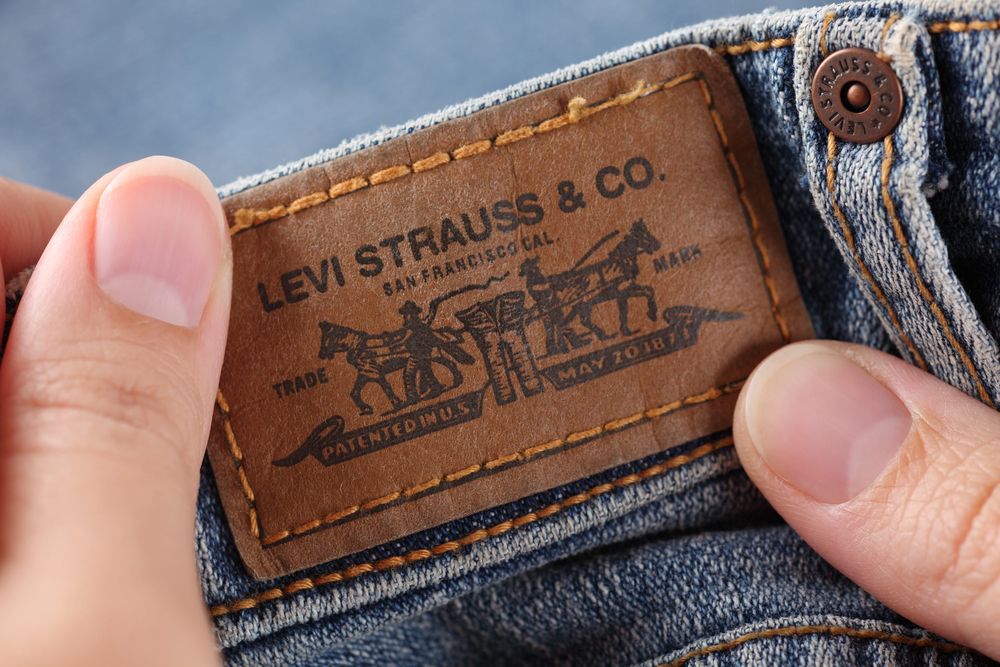
These small copper studs, a hallmark of Levi Strauss’ denim legacy, were born out of necessity in 1873 when tailor Jacob Davis partnered with Strauss to address a common issue: work pants that tore at the seams under the strain of demanding jobs like mining and carpentry. Their solution, a patented design reinforcing stress points with metal rivets, transformed denim into the durable, iconic garment we know today.
Back in the 19th century, jeans were crafted for laborers, miners, farmers, and workers, who needed clothing that could endure grueling conditions. The rivets, strategically placed at pocket corners and other high-tension areas, ensured the pants could withstand daily wear without ripping.
This practical innovation quickly became a defining feature of jeans, setting them apart as the go-to workwear. Even the tiny front pocket, often overlooked today, served a purpose: it was designed to hold pocket watches, protecting them from damage in an era before modern timekeeping devices.
While advanced sewing techniques have rendered rivets unnecessary for structural integrity, brands like Levi Strauss retain them as a nod to tradition and authenticity. Similarly, the signature blue hue of jeans, derived from indigo dye, was chosen for its ability to fade naturally, creating the coveted worn-in look while concealing dirt—a practical choice for workers.
Scroll to continue reading









The term “jeans” itself traces back to “bleu de Gênes,” meaning “blue of Genoa,” a nod to the Italian city where this durable fabric originated. From its humble beginnings, denim evolved into a global cultural icon, with Levi Strauss’ rivets remaining a symbol of durability and style.
MORE FROM EURWEB.COM: Shocking Testimony and Hotel Video Rock Diddy Trial | WATCH
Sign up for our Free daily newsletter HERE.