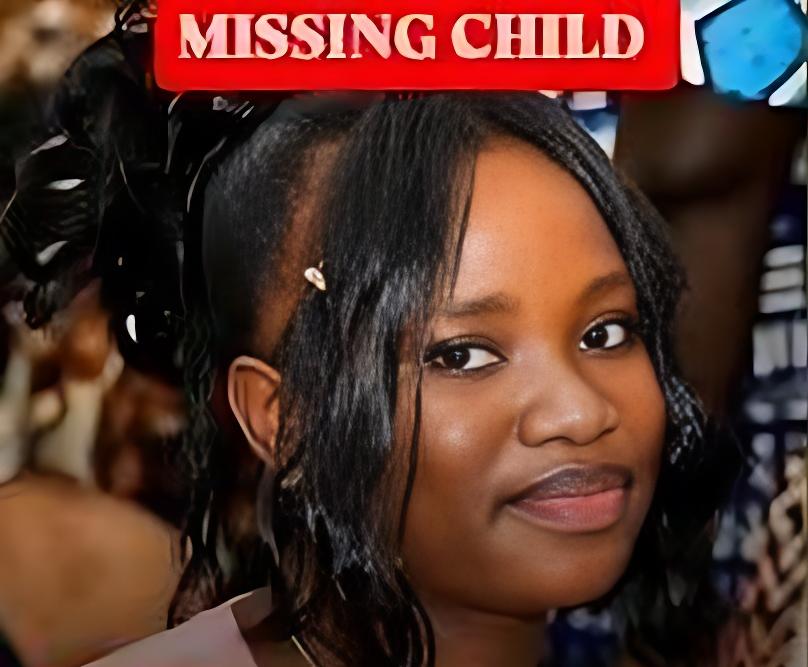
*Juliana Nzita, a 16-year-old Charlotte teenager who vanished in late April, was found dead on May 8 after community volunteer Kenneth “Mufasa” Tolbert discovered her body hanging from a tree on church property in North Charlotte. While authorities have ruled her death a suicide, the case has ignited widespread concern, skepticism, and calls for greater transparency from investigators.
Nzita, who was originally from the Democratic Republic of the Congo and lived with her family in Charlotte, was reported missing on April 28. For nearly two weeks, loved ones and supporters searched for answers as information about her disappearance spread across social media.
The search ended in tragedy when Tolbert, accompanied by his service dog Cosmo, located what appeared to be a body on property belonging to The United House of Prayer for All People near West Sugar Creek Road. According to accounts of the discovery, Tolbert alerted church personnel before contacting 911, according to a report from TheNCBeat.
Charlotte-Mecklenburg Police Department officers responded to the scene and later determined that Nzita had died by suicide. Yet weeks after that conclusion was announced, public questions surrounding the circumstances of her death have not subsided.
Scroll to continue reading








Questions Remain About the Investigation
The central issue for many community members is not simply the official ruling itself, but the limited amount of information released publicly about how investigators reached that conclusion.
Critics have pointed to the lack of detailed public statements, the absence of publicly available investigative findings, and unanswered questions about Nzita’s whereabouts during the 11 days between her disappearance and the discovery of her body.
Online discussions have also focused on the physical circumstances at the scene. Some community members have questioned whether a blue chair reportedly visible in footage from the area could have been used in the manner investigators suggested. Others have focused on reports describing Nzita’s body position when she was found.
Law-enforcement officials have not publicly indicated that evidence of foul play was discovered, nor have they announced a homicide investigation. At the same time, authorities have provided few public details addressing the concerns that continue circulating online.
The result has been a growing perception among many observers that significant questions remain unanswered.
Church Silence Fuels Community Frustration
Adding to the controversy is the lack of a public response from The United House of Prayer for All People, where Nzita’s body was discovered.
As discussion of the case intensified across social media platforms, many users began questioning why church leadership had not publicly addressed the tragedy or offered additional information about conditions on the property.
Videos discussing the case have accumulated thousands of views, with many commenters expressing distrust of the official narrative and demanding additional transparency from both law enforcement and church officials.
While criticism has grown online, no evidence has been publicly presented linking church personnel to Nzita’s death. Nevertheless, the absence of public statements has become a significant source of frustration for many following the case.
A Painful Historical Context
The emotional reaction surrounding Nzita’s death extends beyond the details of a single investigation.
For many Black Americans, reports of a young Black girl found hanging from a tree evoke painful historical memories tied to racial terror, lynching, and generations of unresolved injustice.
That history helps explain why the case has resonated far beyond Charlotte and why many people have been reluctant to accept official conclusions without extensive public disclosure.
Recent years have seen several cases involving Black Americans whose deaths were officially ruled suicides but later became the subject of scrutiny from family members, civil-rights advocates, and independent investigators. While each case is unique, those controversies have contributed to broader distrust whenever investigations conclude without detailed public explanation.
A report released this year by the civil-rights organization JULIAN documented more than 70 deaths over the past quarter-century that were officially classified as suicides despite lingering concerns raised by relatives, advocates, or community members.
A Family’s Loss and a Community’s Search for Answers
At the center of the controversy is the death of a 16-year-old girl whose disappearance and death have devastated those who knew her.
As of May 30, 2026, Charlotte-Mecklenburg Police continue to classify Juliana Nzita’s death as a suicide. No public announcement has indicated that the case has been reopened or that investigators are pursuing alternative theories.
Still, public calls for transparency continue. Community members are seeking additional information about the investigation, forensic findings, the timeline of Nzita’s disappearance, and the evidence authorities relied upon when determining that no foul play occurred.
Whether those questions are ultimately answered remains unclear. What is certain is that Juliana Nzita’s death has become more than a local tragedy. For many people, it has become a test of public trust, accountability, and confidence in the institutions responsible for investigating unexplained deaths.

(If You Like/Appreciate This EURweb Story, Please SHARE it!)
MORE NEWS ON EURWEB.COM: ‘My Brother Was Not Disposable’: Family Seeks Justice for Killing of Berry LeMar Henderson | Video of Incident Released WATCH
We Publish Breaking News 24/7. Don’t Miss Out! Sign up for our Free daily newsletter HERE.