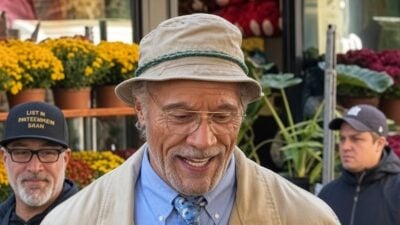
*David Oyelowo is apologizing after comments he made about Southern Black dialect sparked backlash across social media and reopened long-standing conversations about language, culture, and representation.
The Nigerian-British actor, best known for portraying Dr. Martin Luther King Jr. in “Selma,” found himself under fire after appearing on the One54 Africa podcast, where he weighed in on the ongoing debate surrounding Black British actors working in Hollywood.
While discussing accents, Oyelowo suggested that Southern Black speech evolved from a Nigerian accent altered by slavery.
“If you take the Nigerian accent like this and you slow it down, you put a lot of slavery in there and then you start to put a little bit of subservience in it,” he said during the interview.
The clip quickly spread online, with critics arguing that Oyelowo reduced a complex linguistic and cultural tradition to stereotypes rooted in submission rather than resilience, survival and innovation.
Scroll to continue reading



Social Media Responds
Cultural commentator Demetria L. Lucas was among the first prominent voices to push back.
“David Oyelowo is a Druski skit come to life,” Lucas wrote on Threads, arguing that his comments revealed more about how some people perceive Black Southerners than about the actual history of Black Southern speech.
Media personality Bevy Smith also joined the criticism, calling on audiences to “divest” from the actor’s work.
As the backlash intensified, actor Karen Pittman offered a more measured response.
“I am a trained American actor. I spent three years in intense voice and diction classes, learning dialects and creating them,” Pittman wrote on Threads.
Pittman acknowledged that many people were hurt by the remarks but suggested Oyelowo may have expressed himself poorly rather than intentionally causing offense.
“It’s troubling that David’s inelegant way of expressing his process has been painful and insulting for many people,” Pittman wrote. “I honestly don’t think he meant any harm and I hope that we can give him some grace and the benefit of the doubt.”

Why The Comments Hit A Nerve
The backlash resonated because Black Southern speech and African American Vernacular English have long been misunderstood, mocked and treated as signs of lesser intelligence despite their enormous influence on American culture.
From blues, gospel and jazz to hip-hop, literature, comedy and politics, Black Southern language traditions have helped shape the American experience.
For many critics, Oyelowo’s reference to “subservience” echoed a familiar form of respectability politics—the idea that Black people who speak closer to standard English are somehow more educated, refined or intelligent than those who do not.
The Black British Actor Debate Returns
Oyelowo’s comments came during a broader discussion about a viral Druski comedy sketch that poked fun at Black British actors portraying African American characters.
In the skit, a British actor playing an enslaved man in a historical drama suddenly drops his Southern accent once the director yells “cut.”
Oyelowo said he found the sketch funny but argued that it was not particularly helpful.
He argued that white British actors rarely face the same scrutiny when working in American productions.
Still, the debate itself is not new.
Spike Lee and Samuel L. Jackson have both questioned whether Hollywood treats Black experiences as interchangeable while profiting from distinctly African American stories.
The issue has never been about talent. Actors including Daniel Kaluuya, Cynthia Erivo, Damson Idris, John Boyega, Idris Elba and Oyelowo himself have delivered acclaimed performances.
The larger question is whether Hollywood adequately invests in African American actors when telling African American stories.
Oyelowo Issues An Apology
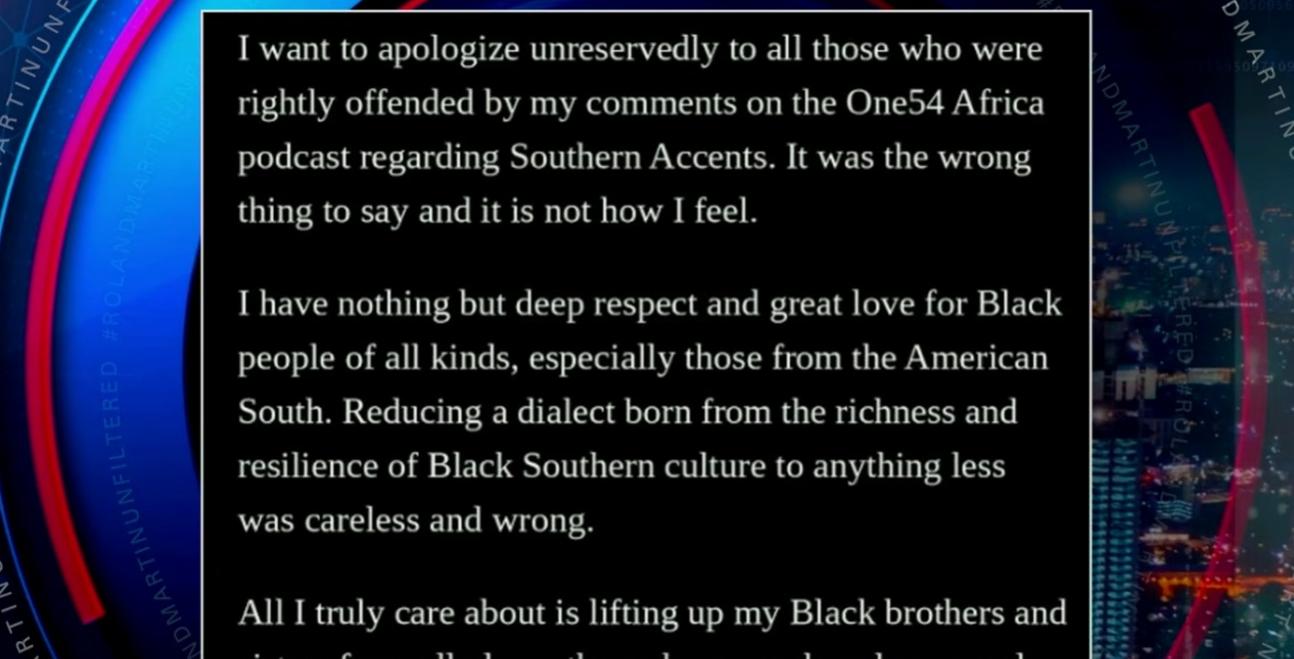
Facing mounting criticism, Oyelowo addressed the controversy in an Instagram statement.
“I want to apologize unreservedly to all those who were rightly offended by my comments on the One54 Africa podcast regarding Southern Accents,” he wrote. “It was the wrong thing to say and it is not how I feel.”
He continued by acknowledging the cultural significance of Black Southern speech.
“I have nothing but deep respect and great love for Black people of all kinds, especially those from the American South. Reducing a dialect born from the richness and resilience of Black Southern culture to anything less was careless and wrong.”
The actor concluded by asking for forgiveness and reaffirming his commitment to uplifting Black communities through both his work and public platform.
The controversy may fade, but the larger debates over language, identity and representation are unlikely to disappear.
(If You Like/Appreciate This EURweb Story, Please SHARE it!)
MORE NEWS ON EURWEB.COM: Taraji P. Henson Shuts Down Surgery Rumors: ‘Y’all Kill Me with This S**T’
We Publish Breaking News 24/7. Don’t Miss Out! Sign up for our Free daily newsletter HERE.