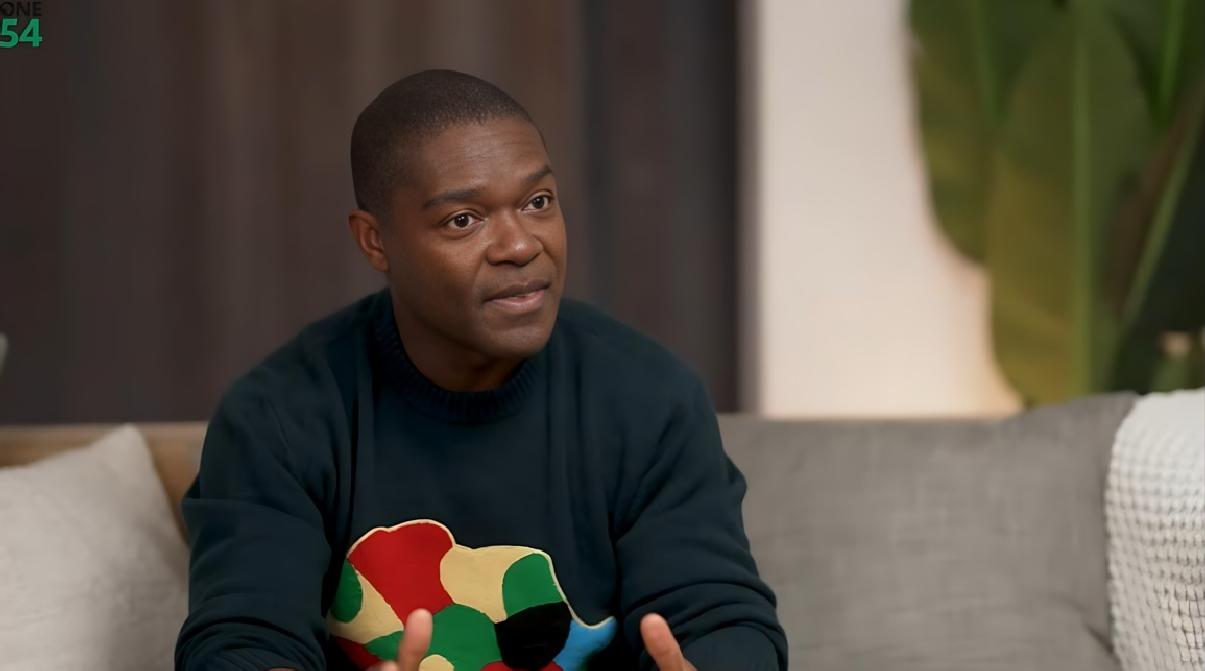
*When British actor David Oyelowo issued an unreserved public apology for his controversial comments about Black Southern accents, many assumed the controversy would end there. Instead, it grew.
What began as criticism of Oyelowo’s remarks has evolved into a broader public debate involving comedian Godfrey, veteran broadcaster Karen Hunter, and thousands of Black Americans wrestling with questions of cultural identity, accountability, and who gets to speak on behalf of Black American experiences.
Oyelowo apologized after widespread criticism of comments many viewed as dismissive of Black Southern speech, acknowledging that reducing a dialect shaped by history and resilience was “careless and wrong.” Yet while many accepted his apology, the focus quickly shifted to Godfrey, who hosted the conversation and was criticized for not challenging the remarks in real time.
The Apology Didn’t End the Conversation
Although Oyelowo publicly accepted responsibility, critics argued the issue had become larger than one actor’s comments.
For many listeners, the controversy raised deeper concerns about how Black American culture is discussed by members of the broader African diaspora and whether influential voices have a responsibility to push back when harmful stereotypes are repeated.
Scroll to continue reading

That broader conversation set the stage for an increasingly public disagreement between Godfrey and Karen Hunter.
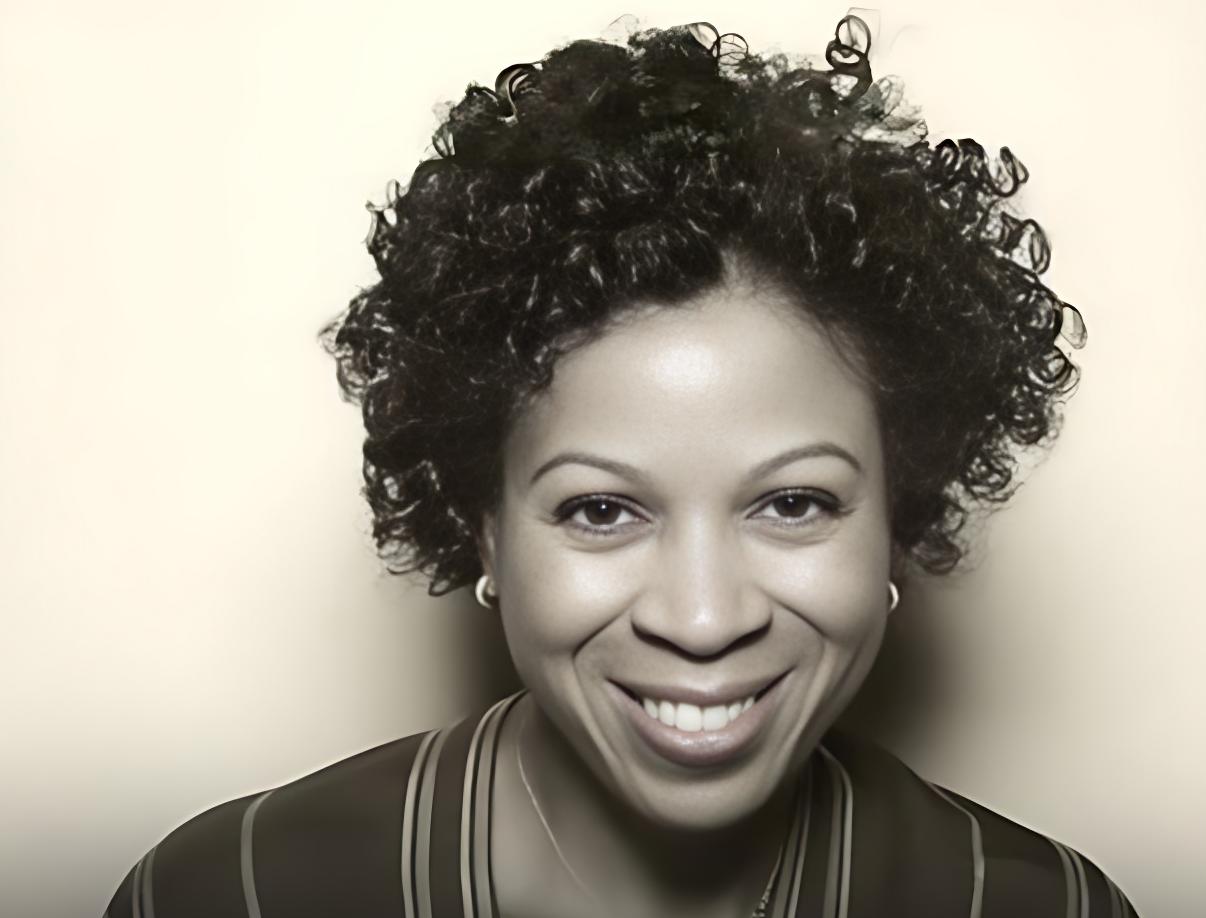
Karen Hunter’s Criticism
Addressing the controversy on her program, Hunter argued that conversations about Black American speech cannot be separated from the history of slavery and colonization.
“First of all, all three of y’all speaking English,” she said, reminding listeners that English itself is a colonial language before pointing to issues such as skin bleaching in Nigeria and the legacy of British colonial influence.
Hunter then shifted her focus to Godfrey, accusing him of failing to take accountability for his role in the discussion.
“You don’t have the character or the maturity… to actually be accountable,” she said.
She went even further, describing what she characterized as Godfrey’s public advocacy for Black people as “a performance,” arguing that his platform too often profits from criticizing Black Americans.
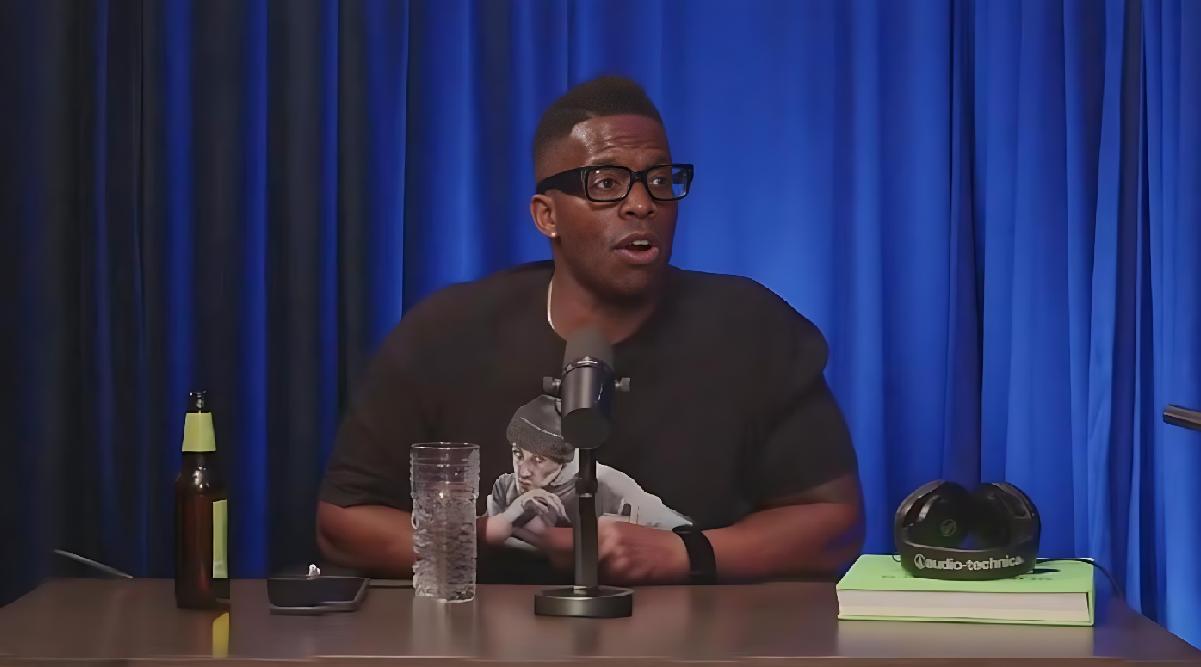
Godfrey Pushes Back
Godfrey responded during a lengthy episode of his “In Godfrey We Trust” podcast, rejecting the suggestion that he had endorsed Oyelowo’s remarks or abandoned Black Americans.
He defended his decades of advocacy on Black issues, pointed to his upbringing in Chicago and argued that critics were ignoring his broader body of work because of one controversial interview.
Godfrey also revived his long-running dispute with Hunter, claiming she had damaged his career during their time together at SiriusXM, publicly criticized him after he had moved on and repeatedly misrepresented him.
While acknowledging that mistakes happen, he argued they should become opportunities for dialogue rather than permanent condemnation.
The Story Beneath the Story
What makes this controversy significant isn’t simply that two well-known Black media personalities disagree.
It’s that both say they are defending the same values.
Karen Hunter says accountability matters.
Godfrey says accountability matters.
Karen Hunter argues Black American culture deserves protection from careless or uninformed criticism.
Godfrey says conversations across the African diaspora should strengthen—not divide—Black communities.
Where they differ is over who failed to uphold those principles.
Hunter believes Godfrey should have challenged Oyelowo more directly in the moment.
Godfrey believes his critics ignored both Oyelowo’s apology and his own decades-long record of advocating for Black people.
A Debate Bigger Than One Podcast
The discussion has now spread well beyond one interview, one apology or one personal feud.
Across podcasts, YouTube channels and social media, Black audiences continue debating who has the authority to interpret Black American culture, what accountability should look like when public figures make mistakes and how difficult conversations within the African diaspora can happen without becoming personal attacks.
Those questions remain unresolved.
And they help explain why David Oyelowo’s apology—rather than ending the conversation—became the beginning of a much larger one.
(If You Like/Appreciate This EURweb Story, Please SHARE it!)
MORE NEWS ON EURWEB.COM: Godfrey Calls Out Latino Man Who Cosplayed as Black to Evade ICE | WATCH
We Publish Breaking News 24/7. Don’t Miss Out! Sign up for our Free daily newsletter HERE.