
*The sudden death of neo-soul singer D’Angelo has reignited a painful but necessary conversation about the state of Black men’s health. His passing from pancreatic cancer underscores a broader reality—Black men face disproportionately higher risks for several forms of cancer, including prostate cancer. According to the American Cancer Society, Black men are 1.7 times more likely to be diagnosed with—and 2.1 times more likely to die from—prostate cancer compared to white men.
Dr. Leanne Woods-Burnham, an assistant professor in the Department of Surgery at Morehouse School of Medicine in Atlanta, says the loss is “so tragic for the culture, obviously, for his family. It really brings to light how we have this epidemic of elevated risk of cancer.” She added that the issue extends beyond risk alone: “But even more profound than that, elevated risk of dying that we see in Black men and women, too.”
While breast cancer awareness dominates October, Woods-Burnham points out that men’s cancers—especially prostate cancer—receive far less attention. “A lot of times we don’t realize that the risk for men and Black men in particular matches what we see with women with breast cancer,” she explained. “But it doesn’t get that same focus and attention.”
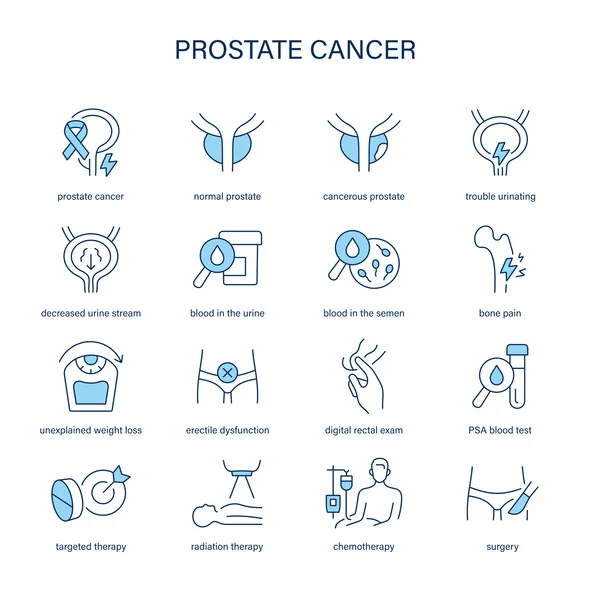
Woods-Burnham says cultural silence and privacy about health issues often deepen these disparities. “Men tend to be a little bit more private about their health and even going to the doctor and discussing their family history and talking to loved ones,” she said. “When you don’t have…those conversations, sometimes these risks are not communicated to the doctor in time.”
Scroll to continue reading







Asked about the roots of the disparities, Woods-Burnham emphasized that there is no single cause. “It’s a combination of so many things. If there were just one thing, I could have retired by now,” she said. While lifestyle plays a role, biology cannot be ignored. “There are definite biological contributing reasons why certain men are more likely to get prostate cancer than others,” she noted. “A lot of cancers tend to be hereditary. So we know that there are DNA genetic variants that are linked to West Africa and Black people in the United States.”
She added that even with healthy habits, genetics can’t be changed. “You can do everything right…And at the end of the day, we can’t change our DNA,” she said. Still, early detection is critical. “Prostate cancer is highly curable…There’s over a 99 percent survival rate five years out if you detect it early,” she said. “The problem in the U.S. is screening recommendations are not designed for Black men to be tested early enough.”
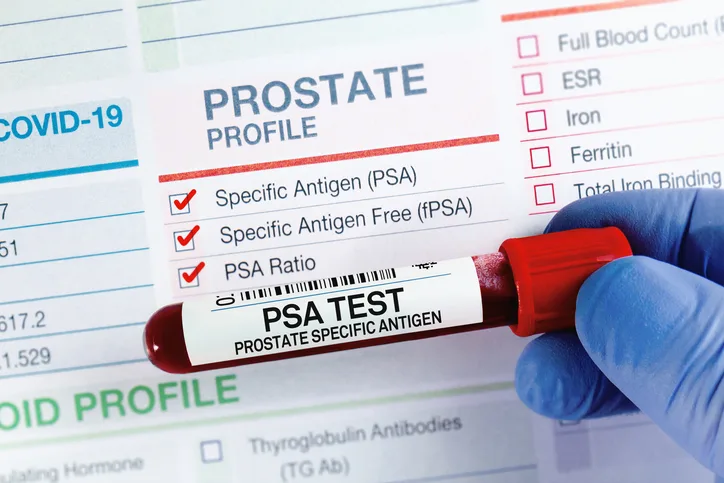
The standard screening method—the PSA test, or prostate-specific antigen test—is often introduced too late. “What we also know in the history of the U.S. is oftentimes Black individuals or people of African ancestry are not included in these pivotal studies,” she explained. As a result, national recommendations often don’t fit the populations most at risk. Woods-Burnham recalled when, in 2012, the U.S. Preventive Services Task Force recommended ending annual PSA testing. “This is really bad for Black men,” she remembered thinking, since her own father had just been diagnosed with aggressive prostate cancer at 50.
Although the task force revised its stance in 2017 to encourage discussions about screening at age 55, Woods-Burnham argues that’s still too late. Organizations such as the American Cancer Society recommend screening at 45 and even earlier, at 40, for men with a family history. As a researcher and scientist, Woods-Burnham leads a lab at Morehouse School of Medicine focused on the genetic and molecular reasons Black men are more likely to develop aggressive prostate cancer. “The goal is to develop treatments that can work for all populations. But it’s my goal to have them work for populations that are at the highest risk for worse outcomes,” she said.
New research has found that when Black men are included in clinical trials, they can respond exceptionally well to treatment. “If you enroll Black men in these clinical trials…not only did Black men respond to these treatments just as well as other populations, they actually had better survival outcomes,” Woods-Burnham said. She believes that future progress depends on fully inclusive research: “It’s important when we’re developing drugs to really factor in the role of genetic ancestry and how our bodies respond to treatments.”

Her lab’s work focuses on what she calls “precision medicine”—developing therapies tailored to the genetic and biological needs of diverse populations. She explained, “We want each person to have the best outcome for a complete and total cure.”
When asked what message she most wants to convey to Black men, Woods-Burnham’s response was clear. “Please go to the doctor annually. Don’t wait for something to hurt,” she said. But she also cautioned against assuming doctors are covering every screening. “Do not assume that your doctor is ordering all of the appropriate tests for you,” she said, noting that her research found “54.8 percent of Black men, when they go to their doctor once a year, their doctor is not talking to them about prostate cancer screening.”
Woods-Burnham urges men to take charge of their care. “If you’re a Black man and you’re 45 or if you’re 40 and you have family history, bring that up with your doctor,” she said, noting that if the doctor “gives you pushback,” find another provider. For her, self-advocacy is not just empowerment—it’s survival. “Find a doctor who knows your family history and knows the risk for black people in general that may be different than others,” she said.
Dr. Leanne Woods-Burnham is an assistant professor in the Department of Surgery at Morehouse School of Medicine in Atlanta, GA, where she focuses on prostate cancer health disparities. She is dedicated to connecting Black men with resources to live longer, healthier lives—providing free PSA tests across Atlanta and rural Georgia—and serves on the medical advisory board at ZERO Prostate Cancer.
Watch our full conversation with Dr. Leanne Woods-Burnham via the clip below.
*This interview has been edited for length and clarity.
MORE NEWS ON EURWEB.COM: D’Angelo: Thoughts on An Unforgettable Music Genius
Sign up for our Free daily newsletter HERE.