‘California Sober’ Gains Buzz: But Does It Actually Work?
*The “California sober” lifestyle—swapping alcohol for cannabis—is becoming a mainstream wellness choice. Driven by younger adults, social media influencers, and rising cannabis access, it’s seen as a healthier way to unwind without the known risks of alcohol. But can weed really help people cut down on drinking?
Recent research says maybe. In the short term, cannabis—especially high-THC strains—may reduce alcohol intake for some. However, scientists urge caution, noting it’s not a replacement for clinical addiction treatment and the effects can vary widely between individuals.
Brown University Study Finds THC May Curb Alcohol Use
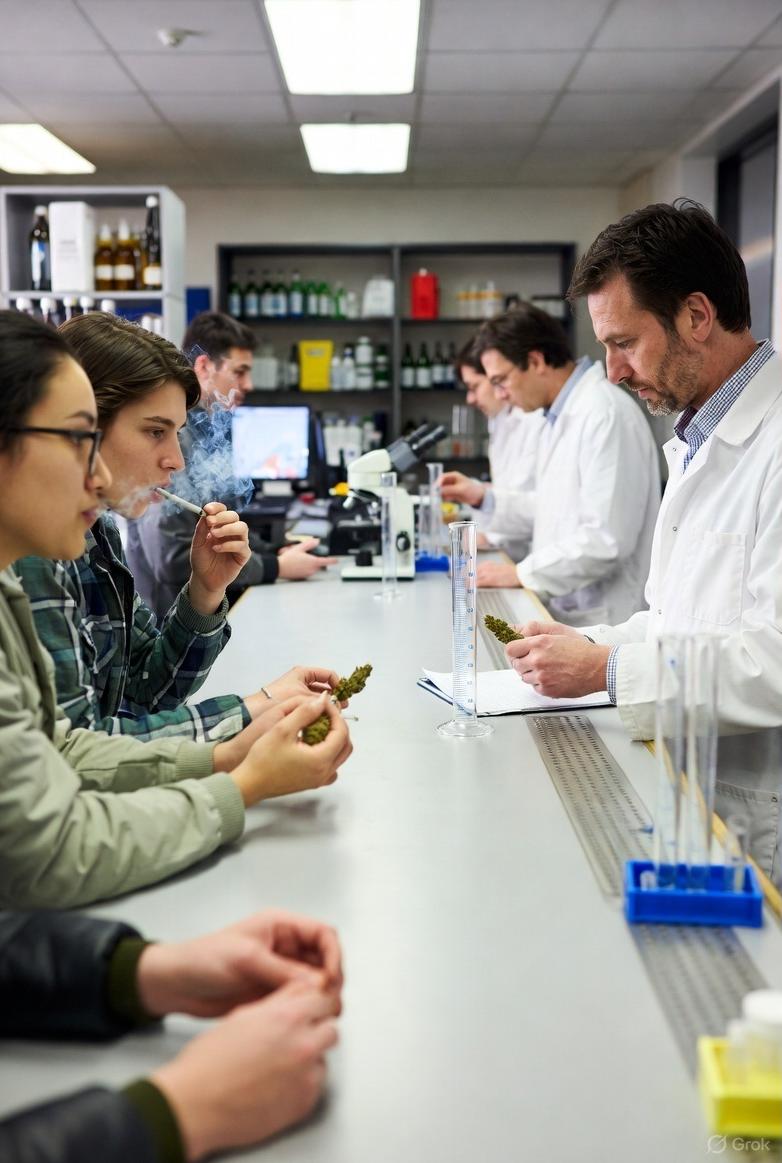
Earlier this month, Brown University released the first randomized, placebo-controlled trial measuring cannabis’s effect on alcohol cravings. Researchers invited 150 adults into a simulated bar lab, where they smoked THC cigarettes with varying potencies before being offered drinks.
Results showed that those who smoked higher-THC cannabis (7.2%) drank 27% less than those who smoked a placebo. Lower doses (2.9% THC) still cut alcohol intake by 19%. They also reported delayed first sips and reduced cravings, suggesting a “substitution effect” at work.
Scroll to continue reading








Earlier Research Backs Short-Term Substitution Effects
The Brown study builds on several earlier findings pointing to cannabis as a potential drinking deterrent:
- Colorado (2021): Heavy drinkers in treatment drank 29% less on days they used cannabis.
- Canada (2020): 39% of 973 medical cannabis users reduced or stopped drinking after beginning cannabis therapy.
- Population-level data: Legal cannabis states report drops in beer sales and DUI crashes linked to alcohol.
Across these studies, younger adults and those with high pre-existing alcohol use showed the strongest substitution trends—suggesting cannabis might help some drink less, even if it’s not a universal fix.
Why Cannabis May Help Some Drink Less
Cannabis may reduce alcohol use by hitting similar dopamine pathways in the brain, producing a relaxing effect without the same toxic load. THC also delays the urge to drink and may help people feel socially comfortable without reaching for a cocktail.
According to a 2025 Nielsen report, 42% of U.S. adults under 35 now prefer cannabis over alcohol. Daily cannabis use among young adults recently overtook daily alcohol use, reflecting a generational shift toward plant-based relaxation and away from booze-fueled socializing.
Experts Say It’s Not a One-Size-Fits-All Solution
While substitution may work for casual or social drinkers, experts urge caution for those with alcohol use disorder (AUD) or mental health risks. Dr. Jane Metrik of Brown cautions that cannabis’s positive effects may not last over time—and for some, weed can worsen anxiety or lead to dependence.
Harvard addiction expert John Kelly agrees: “This is not a green light to self-medicate with marijuana. For many people, it can cause more harm than help.” Clinical trials are ongoing to test CBD-dominant strains, edibles, and long-term outcomes.
Short-Term Promise, Long-Term Questions
The Brown study focused on just one session in a lab environment. Scientists don’t yet know whether cannabis can consistently lower drinking over weeks or months. Some people actually drank more after using weed, especially frequent or high-tolerance users.
Also, cannabis use can pose its own health risks—including cognitive impairment, memory problems, and gut issues. It’s not approved as a treatment for alcoholism, and experts warn against replacing one habit with another without guidance.
Who Might Benefit from ‘California Sober’ Living?
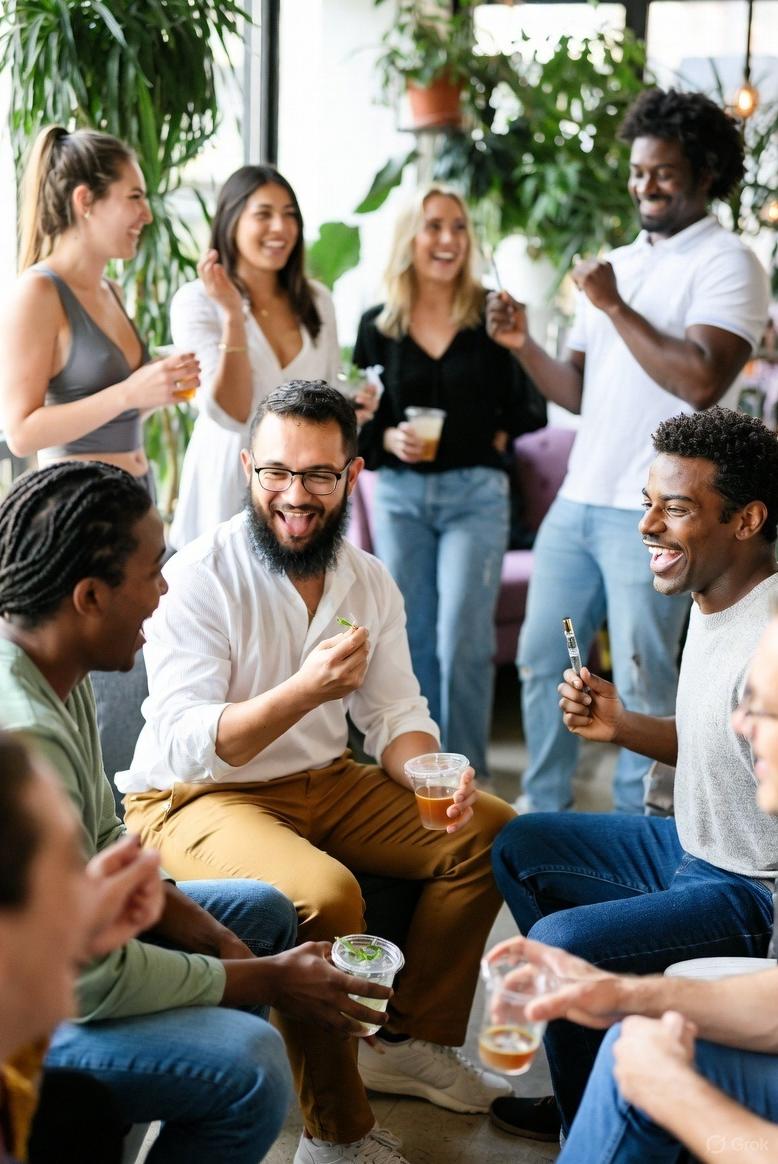
If you’re a casual drinker looking to cut back and already use cannabis occasionally, the “California sober” path might offer a lighter, lower-risk way to unwind. But for those with a history of addiction, co-occurring disorders, or mental health challenges, the risks may outweigh the rewards.
Public health experts advise talking with a doctor or addiction counselor before trying to substitute substances. Medications like naltrexone or therapy options are still the gold standard for treating alcohol dependence.
Bottom Line: It’s Promising, But Proceed With Caution
Cannabis may help some people drink less—especially in the short term—but it’s not a cure-all. Individual biology, use patterns, and mental health play major roles in whether substitution helps or hurts.
Ongoing research in 2026 may unlock safer ways to use cannabis as a harm-reduction tool. Until then, experts suggest moderation and professional advice before making the swap. “California sober” might be trendy—but smart, informed choices are always in style.
(If You Like/Appreciate This EURweb Story, Please SHARE it!)
MORE NEWS ON EURWEB.COM: Diddy’s Extravagant Kids Lawyer Up to Take Control of His Finances from His Mother | VIDEO
We Publish Breaking News 24/7. Don’t Miss Out! Sign up for our Free daily newsletter HERE