


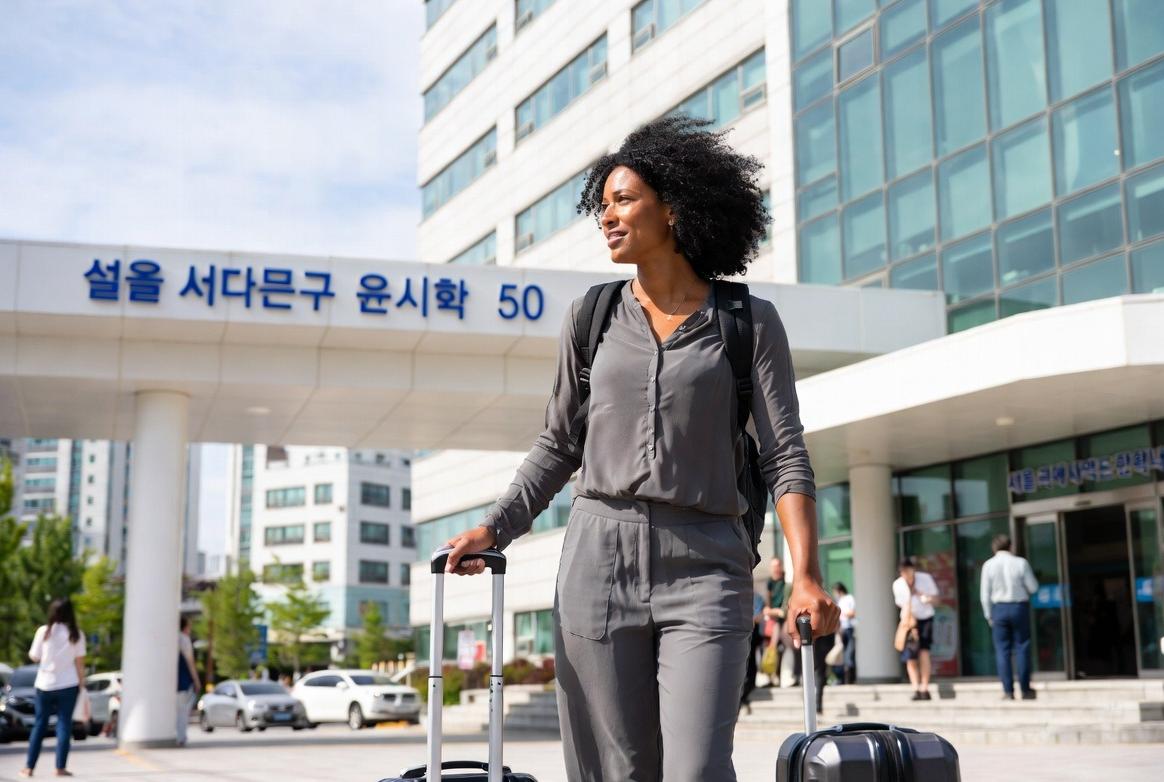
*For decades, Americans have traveled abroad seeking lower healthcare costs. Now, a growing number of Black American women are making the trip to South Korea for a different reason: a healthcare experience they say offers greater compassion, more comprehensive testing, and doctors who take their concerns seriously.
According to a report by The Guardian, many of these women are turning to South Korea after years of feeling their symptoms were minimized or dismissed in the United States. Instead of navigating months-long waits for referrals and specialist appointments, they’re finding same-day diagnostic testing, extensive health screenings, and physicians willing to spend more time listening.
Why They’re Looking Overseas
William Ban, co-founder and chief operating officer of the preventive health platform Himedi, said interest from Black American women has grown significantly in recent years, particularly for comprehensive health evaluations.
“Our clients have told us they want to know what’s actually going on in their body,” Ban said. He noted that many are seeking gynecological, thyroid and cardiovascular screenings—areas where Black women in the United States often experience documented disparities in diagnosis and treatment.
Those concerns reflect longstanding health disparities. Black women face disproportionately high rates of cardiovascular disease and are more likely to experience delays in diagnosing or treating conditions such as fibroids, endometriosis and breast cancer because of structural inequities, implicit bias and barriers to timely testing.
Scroll to continue reading








In South Korea, preventive care often includes comprehensive health examinations that combine blood work, imaging, specialist consultations and screenings into a single visit—frequently at a fraction of the cost patients might pay in the United States.
A Different Healthcare Experience
For Washington, D.C., nonprofit executive Adzua Agyapon, that approach uncovered a serious health issue she never knew existed.
During a comprehensive health examination at a Seoul medical center, doctors discovered a 10-centimeter fibroid through an ultrasound before confirming it with an MRI just minutes later.
“I had no idea about it despite having annual checkups and having a good relationship with my medical team at home,” Agyapon said. Her entire preventive health examination cost just under $600.
She said the biggest difference wasn’t simply the technology but the way she was treated.
“The medical staff were just so accommodating, so kind, and so patient. That level of compassion and concern is not something I’ve ever experienced in America,” she said.
New Jersey brand strategist Elizabeth Oputa described a similar experience after traveling to South Korea for health screenings, alopecia treatment and skincare.
“In Korea, I don’t feel any prejudice. I feel heard, and they’re taking their time, and they understand me,” Oputa said, contrasting it with medical appointments in the United States, where she often felt rushed or judged.
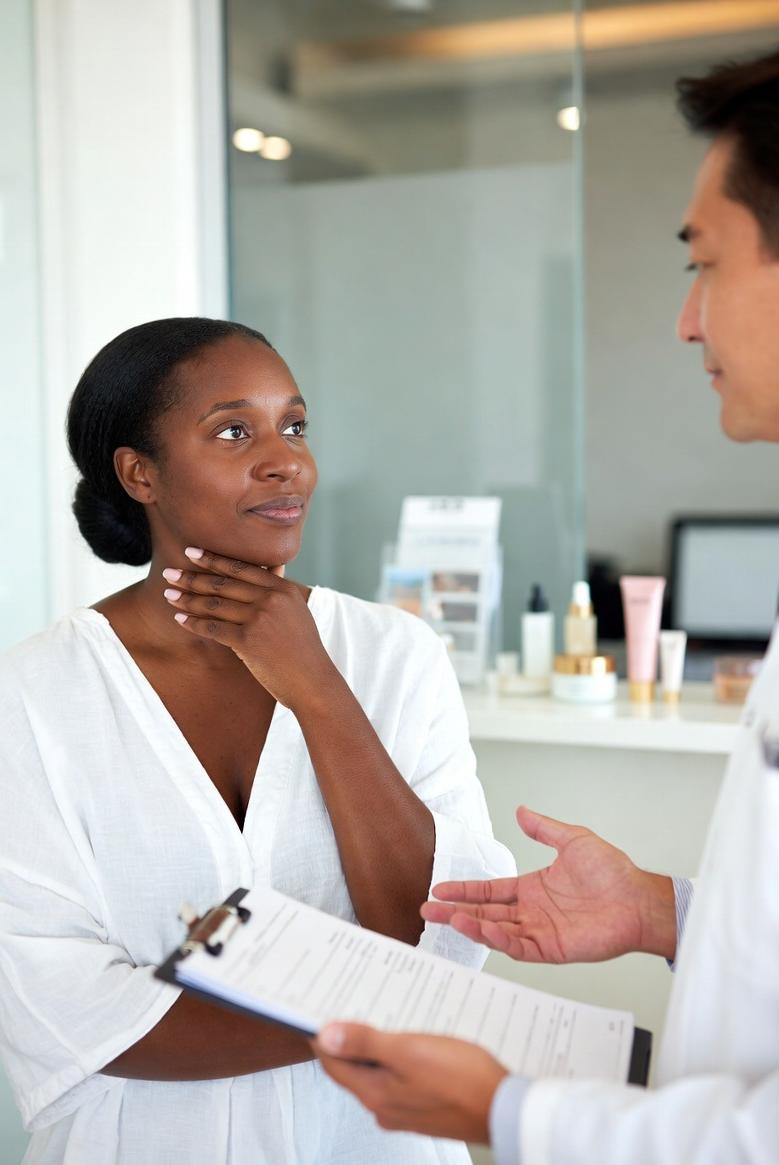
Beyond K-Beauty
South Korea has earned worldwide recognition for skincare and cosmetic procedures, but some Black women say the country’s approach to dermatology exceeded their expectations.
Philadelphia attorney Fumi Ekhator initially worried that physicians in a largely homogeneous country might not understand the needs of darker skin.
Instead, doctors immediately discussed the risk of hyperpigmentation and recommended gentler treatment options designed to protect her complexion.
“It was nice not having to like press for anything, or explain anything,” Ekhator said. “It just made me feel like they understood that [skin tone] was a factor.”
She also recalled a pharmacist carefully explaining how to safely use a skincare product that could irritate darker skin if applied incorrectly, a level of guidance she found reassuring.
What It Says About U.S. Healthcare
The women interviewed acknowledged that traveling overseas for healthcare isn’t feasible for everyone and does not address the systemic inequities that continue to affect Black women’s health in the United States. Medical tourism requires financial resources, time and the ability to continue follow-up care after returning home.
Still, they said the experience demonstrated what patient-centered preventive care can look like.
Dr. Terika L. Haynes, a Florida travel adviser who sought care in South Korea after losing her health insurance, completed blood work, vision and hearing exams, a mammogram, a Pap smear and other screenings in less than three hours.
“I felt like they were very open and welcoming to any questions and concerns that you may have,” Haynes said. “I felt like the hospitality altogether was just very warm and welcoming and accepting.”
For Agyapon, the experience became about more than receiving medical care abroad. It changed the way she thinks about preventive healthcare and what’s possible when patients feel genuinely heard.
“A trip to Korea will be amazing and fun,” she said, “but it could also literally save your life.”
(If You Like/Appreciate This EURweb Story, Please SHARE it!)
MORE NEWS ON EURWEB.COM: Black Women Start Movement to Tackle Their Health Crisis | VIDEO
We Publish Breaking News 24/7. Don’t Miss Out! Sign up for our Free daily newsletter HERE.









Leave a Reply