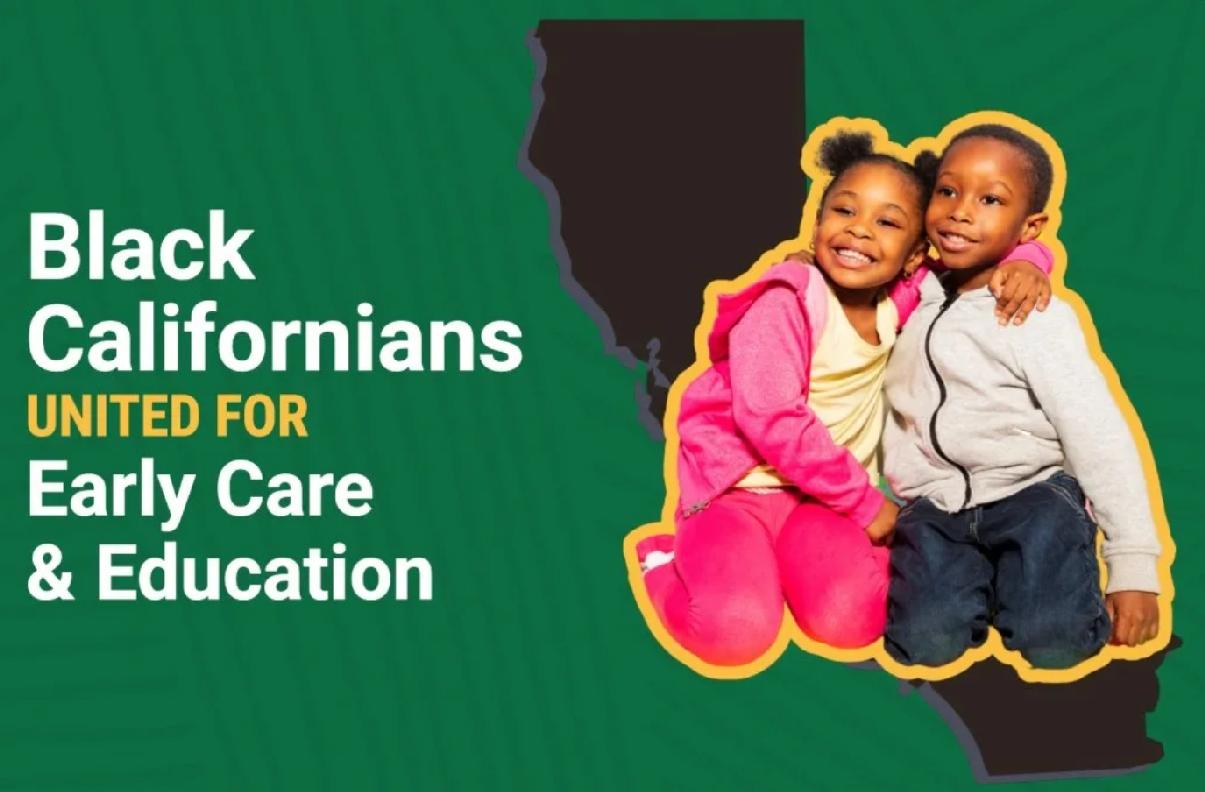
*A California advocacy group wants preschool classrooms to treat Black English as an asset rather than a flaw. Black Californians United for Early Care & Education, known as BlackECE, argues the approach can strengthen literacy for the state’s youngest learners.
According to the California Post, the nonprofit’s campaign challenges what it calls “harmful language hierarchies.” It affirms Black English as a “legitimate, rule-governed language rooted in Black history, culture, and community.” The group also wants educators to confront how language bias operates in early learning spaces.
For co-founder Ashley Williams, the mission is personal. She has described the sting of being expected to “talk white” and the insecurity that came with speaking in her most natural voice. “I don’t want my son to walk into any room and feel like his voice is not valued or his perspective can’t be heard because he’s not saying it one way or the other,” Williams told PBS.
Linguists back up the group’s central claim. Black English serves as an umbrella term for a family of dialects, among them African American Vernacular English, which some know as Ebonics. The dialect’s roots reach back four centuries, born from contact between enslaved West Africans and the regional speech of British colonists. It matured across generations in the South, traveled north during the Great Migration, and left its imprint on Black literature and music.
Scroll to continue reading






The push builds on existing state policy. In 2020, California rolled out a blueprint asking schools to nurture children who grow up with two languages. Advocates say Black vernacular speakers belong in that conversation. “We talk about multilinguals, but we don’t include Black children who may be African-American English speakers,” said Xigrid Soto-Boykin, director of the Children’s Equity Project.
National Library of Medicine research from 2020 counted about one in five American kids as bilingual, a figure that climbs to 44% among Californians ages 5 to 17. Pew data indicates that English is the sole home language for 89% of African-Americans.
BlackECE anchors its broader work in a 10-point policy plan seeking reparations and support for Black children, families, and workers.
MORE NEWS ON EURWEB.COM: Helping Black Youth Beat the Odds: What One Harlem Organization Can Teach America
We Publish Breaking News 24/7. Don’t Miss Out! Sign up for our Free daily newsletter HERE.