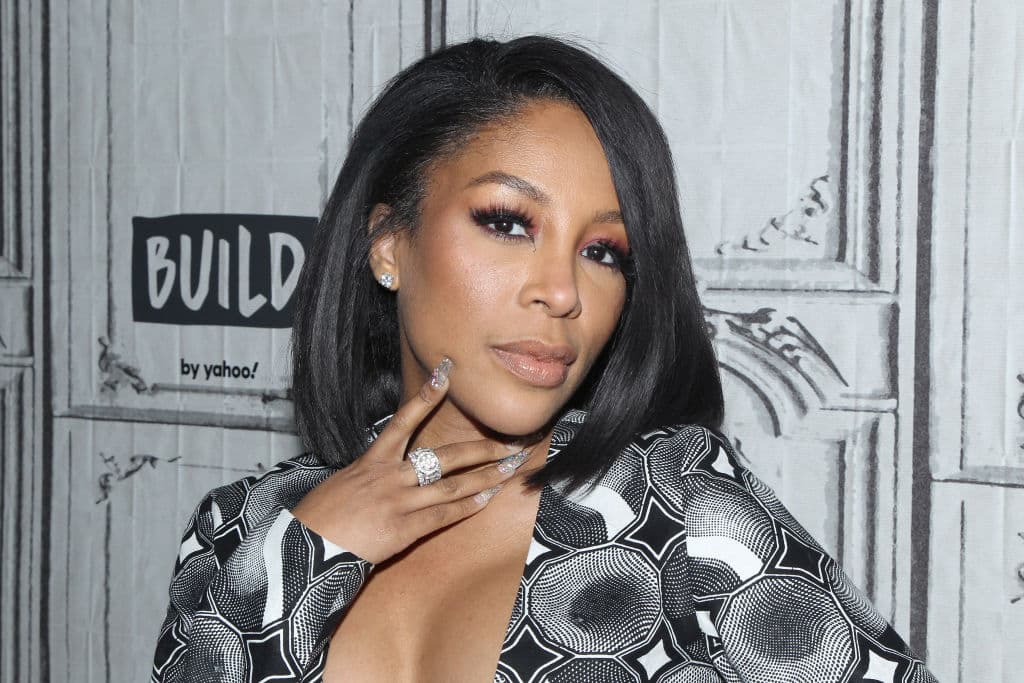
K. Michelle Calls Out ‘AI Voice Cloning’ in Viral Livestream
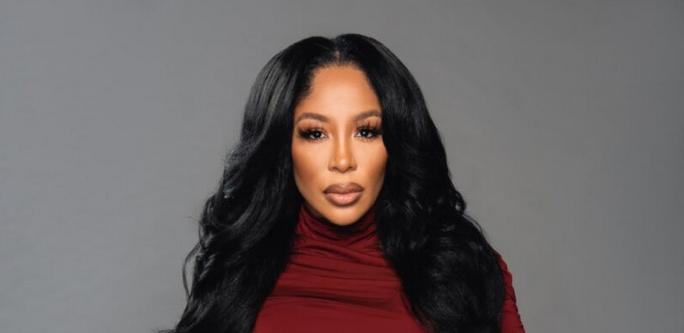
*OK, so who didn’t see this coming? On Friday (11-07-25), K. Michelle went live on social media to address a growing concern in the music world—AI voice cloning. During the stream, the Grammy-nominated singer vented frustration over what she believes is the unauthorized use of her vocal style in AI-generated music. Fans quickly rallied behind her emotional reaction.
“AI people using my tones, and my voice, and all of that,” she said. “Now I gotta go find a lawyer.” Her words ignited viral support, with many accusing AI tools of stealing the soul from real artistry. The moment became a trending topic across platforms like TikTok and X (formerly Twitter).
Xania Monet Accused of Copying K. Michelle’s Vocal Style
The controversy centers on Xania Monet, an AI-generated R&B singer created by Mississippi songwriter Telisha “Nikki” Jones. Using the Suno AI platform, Jones writes original lyrics but admits she can’t sing, so she uses AI to generate the vocals. Listeners quickly noted the uncanny resemblance to K. Michelle’s soulful tone.
Fans pointed out similarities to K. Michelle’s early work on “Rebellious Soul” and her newer country hits. One X user claimed, “Xania Monet literally stole K. Michelle’s 2014 sound and voice.” Others compared the AI vocals to a mix between Beyoncé and K. Michelle, calling the imitation obvious and unethical.
View this post on Instagram
Scroll to continue reading






K. Michelle Responds: ‘AI Can’t Copy My Journey’
K. Michelle didn’t hold back online. She posted a powerful message about how AI can’t replicate lived experience, pain, or passion. Her voice, she argued, is more than just sound—it’s identity. The message struck a nerve with artists and fans alike.
“It’s my pain, my story, my soul. AI can copy the notes but not the journey.”
Supporters have circulated side-by-side audio comparisons showing Xania Monet’s AI voice mimicking K. Michelle’s signature inflections and runs. The online push continues to grow under trending hashtags like #ProtectKMichelle and #AIVoiceTheft.
The Rise of AI Voice Cloning Tools Like Suno
Tools like Suno AI and ElevenLabs are changing how music is made. With just a few minutes of audio, these platforms can generate realistic vocals that resemble real artists. For some creators, it’s a shortcut. For artists like K. Michelle, it’s a legal and emotional violation.
Although Jones claims the lyrics for Xania Monet are original, the AI tool pulls from massive databases that include real human recordings. That’s where the line between inspiration and imitation becomes blurry—and possibly illegal.
Legal Experts Say Right-of-Publicity Laws May Apply
Voice cloning without consent may violate right-of-publicity laws, especially when an artist’s voice is a key part of their brand. K. Michelle’s vocal identity has been honed through her music and TV appearances on shows like “Love & Hip Hop.”
Legal precedents include Bette Midler’s successful 1988 lawsuit over a sound-alike in a Ford ad. Other recent lawsuits have challenged unauthorized voice cloning in AI tools like Lovo and TikTok’s text-to-speech features. Experts say K. Michelle could have a strong case.
Voice Actors and Singers Are Fighting Back
The entertainment world is on high alert. SAG-AFTRA, the union for performers, has warned that unchecked AI use could wipe out most voice-over jobs. K. Michelle’s situation adds fuel to a growing call for protection and fair compensation.
In 2024, the NO FAKES Act proposed federal guidelines for digital replicas. K. Michelle’s stand may inspire more artists to demand legal and ethical boundaries for AI in music. The industry is watching closely.
Why K. Michelle’s Story Resonates with Artists and Fans
K. Michelle’s response goes beyond personal offense—it highlights a larger crisis facing creative professionals. When AI can replicate iconic voices without permission, it puts originality and authenticity at risk. Her fans are not just outraged—they’re mobilized.
The discussion goes beyond technology; it’s about respect for artistry. As AI continues to evolve, this case could set a lasting precedent for how the music world values the human voice. K. Michelle’s fight is becoming a movement.
What’s Next: Legal Action and Public Pressure
As of Nov. 8, K. Michelle hasn’t named a company in any formal lawsuit, but all eyes are on Suno and Xania Monet’s creator. With over 100,000 views on related posts in 24 hours, public pressure is mounting for accountability.
Legal teams are likely weighing options, and advocacy groups are watching closely. If K. Michelle proceeds, her case could become a landmark for R&B singers and artists worldwide battling AI voice cloning. This battle is just beginning.
(If You Like/Appreciate This EURweb Story, Please SHARE it!)
MORE NEWS ON EURWEB.COM: SZA Says There’s ‘No Backstory’ Behind Nicki Minaj Feud: ‘I Don’t Know Her’
We Publish Breaking News 24/7. Don’t Miss Out! Sign up for our Free daily newsletter HERE