*New U.S. tariffs, including a 25% levy on Canadian and Mexican goods and a 20% hike on Chinese imports, are set to disrupt food supply chains.
With Mexico supplying 89% of U.S. avocado imports and Canada contributing significantly to fruits (60%) and vegetables (40%), per a 2023 USDA report, prices for staples could climb. Whispers of a 200% tariff on EU alcohol add to the uncertainty. As GOBankingRates reports, to cushion the blow, consider stocking up on these seven pantry essentials to avoid shortages and price spikes.
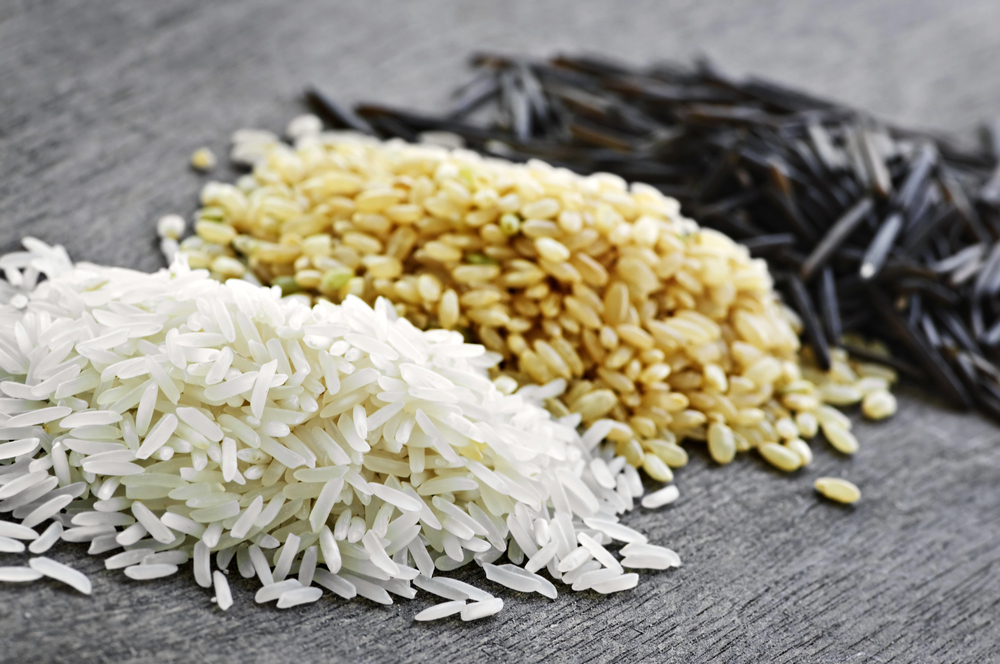
Rice is a budget-friendly staple that delivers carbs and satisfaction. White rice, when stored in airtight containers, can last up to 30 years, while brown rice holds for three to six months. Freezing extends its life, making it a smart choice for long-term storage.
Similarly, beans offer protein, fiber, and vitamins with a shelf life of over a year, or up to 10 years in airtight containers, providing a nutrient-packed option for any meal.
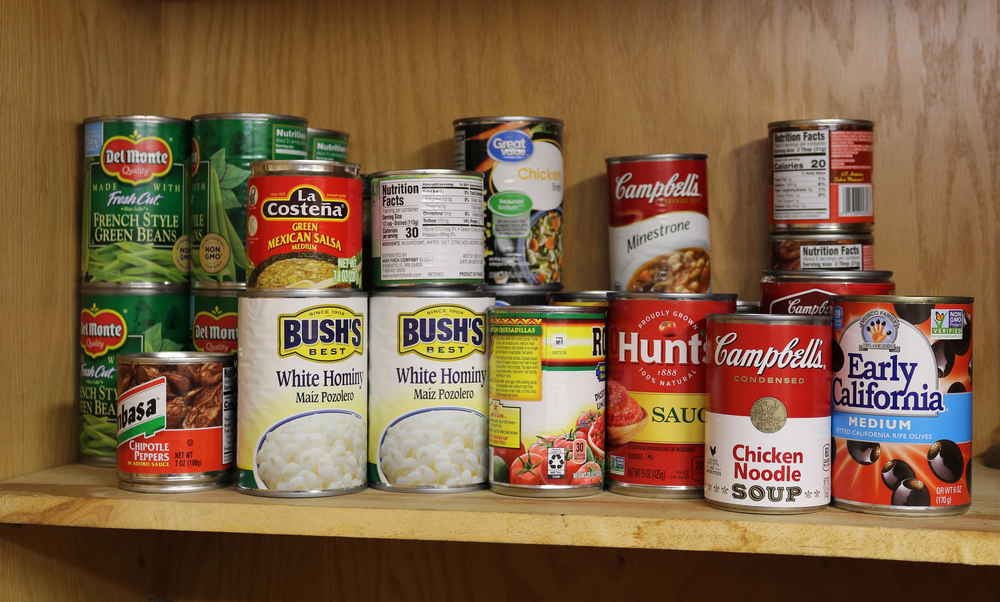
Canned goods, from soups to vegetables, are versatile and durable, lasting over a year if undamaged and stored between 50-70°F. Avoid freezers or extreme heat to maintain quality. Meat, a key protein source, stays safe in the freezer indefinitely, though red meat is best consumed within a year, while ground meat lasts three to four months.
Scroll to continue reading









Nuts, rich in nutrients, are easy to store and last six to nine months if shelled, or longer in the freezer. Coffee stretches up to a year unopened, though opened bags fade in weeks. Finally, chocolate satisfies sweet cravings with milk and white varieties lasting six to ten months, and dark chocolate up to two years if kept stable.
To offset tariff impacts, shop local at farmers’ markets for fresh produce. While avocados may become pricier, seasonal alternatives can keep costs down. Stock these essentials now to stay ahead of potential shortages.