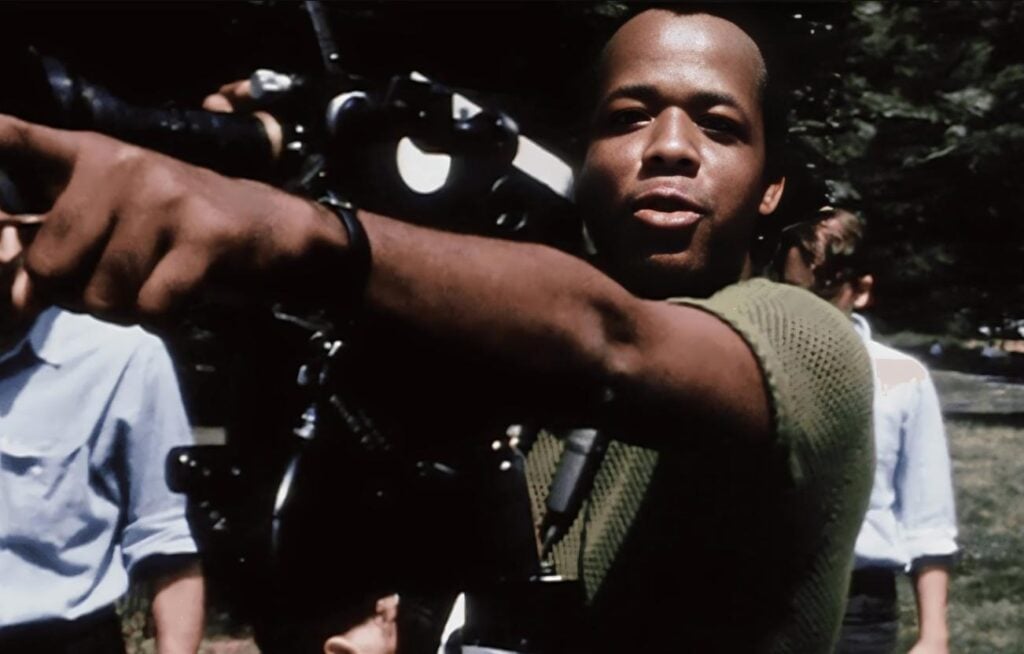
*More than half a century after pioneering Black filmmaker William Greaves gathered legends of the Harlem Renaissance inside Duke Ellington’s Harlem townhouse and turned on his cameras, audiences are finally getting the chance to see the remarkable conversations he captured.
“Once Upon a Time in Harlem,” directed by David Greaves and conceived and filmed by his father, William Greaves, opens theatrically Oct. 16, including an engagement at New York’s Film Forum. One week later, Film Forum will turn the spotlight back on the elder Greaves with “William Greaves 100,” an Oct. 23-29 centennial celebration of the filmmaker’s work.
The pairing makes October a significant month for a filmmaker whose cameras chronicled Black American history while frequently challenging the boundaries of documentary filmmaking.
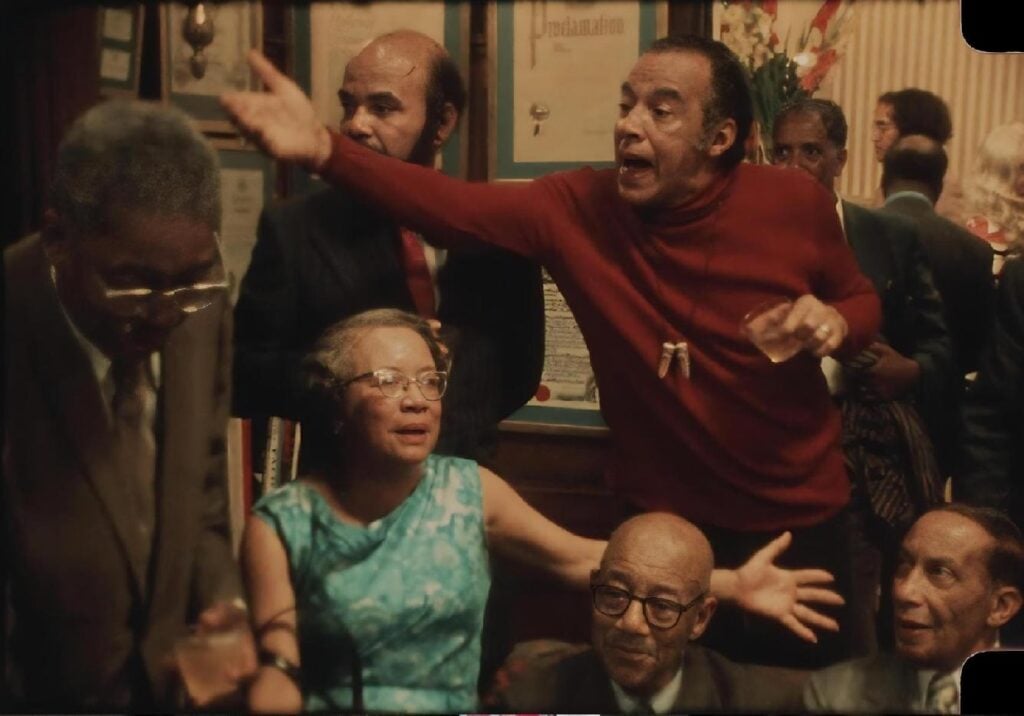
Harlem Renaissance Legends Gather in One Room
The story behind “Once Upon a Time in Harlem” begins in August 1972, when William Greaves organized a reunion of surviving Harlem Renaissance figures at Ellington’s St. Nicholas Avenue townhouse.
Scroll to continue reading

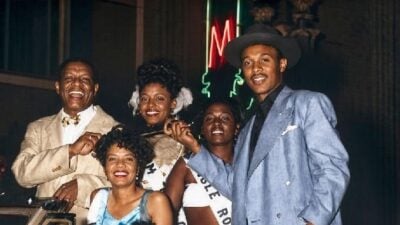
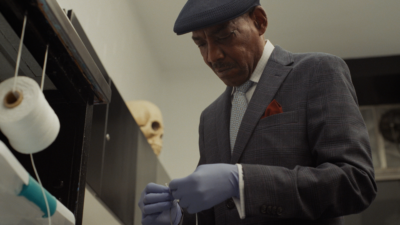
This wasn’t a group of actors recreating the Harlem Renaissance. These were people who had lived it.
The gathering included artists Aaron Douglas and Richard Bruce Nugent, composer Eubie Blake, poet Arna Bontemps, photographer James Van Der Zee and activists Richard B. Moore and Louise Patterson, among others.
Many hadn’t seen one another in decades. Greaves captured them reminiscing, laughing, disagreeing and debating Black art, politics and their own places within one of America’s most consequential cultural movements.
The shoot generated some 60,000 feet of 16mm film. Greaves considered the material enormously important but never completed the project before his death in 2014.
David Greaves Finishes His Father’s Film
The story could have ended with those reels remaining in an archive.
Instead, the project became a multigenerational Greaves family undertaking.
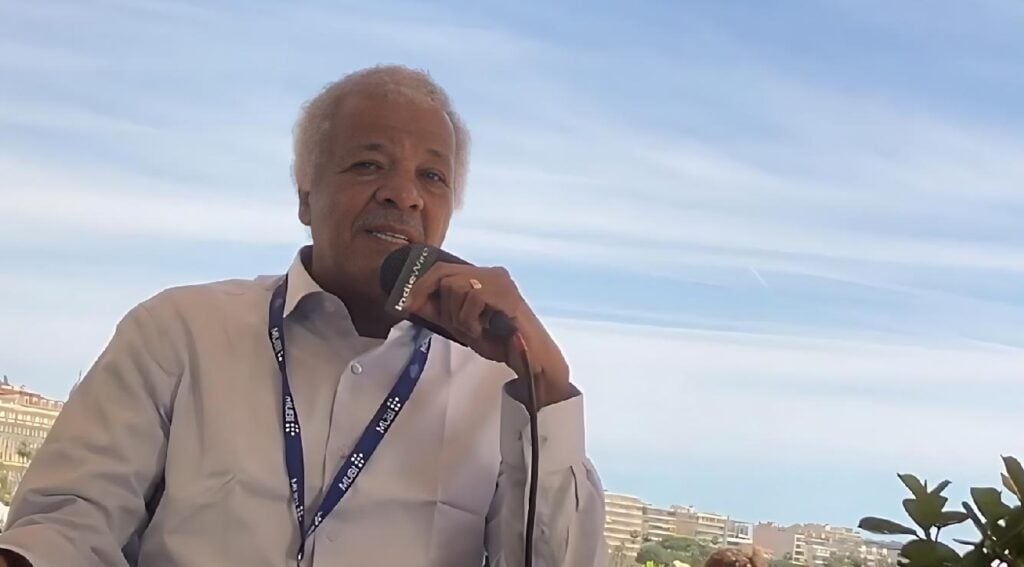
David Greaves had been one of the cameramen filming the 1972 gathering. Decades later, he returned to the material and, guided by his father’s notes and workprints, shaped the footage into the 100-minute “Once Upon a Time in Harlem.”
Producer Anne de Mare worked with William’s widow and longtime creative partner, Louise Archambault Greaves, to preserve and digitize the massive collection of previously unseen footage. William’s granddaughter Liani Greaves is also a producer on the completed film.
David and Liani have described the surviving material as much larger than what could fit into one movie, with plans for a public-facing archive that could eventually make more of the interviews available.
The film premiered at Sundance in January before traveling to Cannes and other festivals. NEON subsequently acquired its U.S. distribution rights. It is scheduled for New York Film Festival screenings in late September before its Oct. 16 theatrical opening.
Film Forum Celebrates William Greaves at 100
The theatrical arrival leads directly into a broader celebration of the man who originally put those cameras in the room.
Film Forum’s newly announced October-December calendar includes “William Greaves 100,” a one-week retrospective running Oct. 23-29 and curated by Ina Archer.
The series commemorates the centennial of Greaves, who was born in Harlem in 1926 and died in 2014. Film Forum says the program will encompass documentaries, feature films and early acting appearances from his career.
Greaves’ body of work eventually numbered more than 200 films and included projects exploring major Black historical figures such as Ida B. Wells and diplomat Ralph Bunche. He also became celebrated for the formally adventurous “Symbiopsychotaxiplasm: Take One,” a film that deliberately blurred the boundaries between documentary, performance and the filmmaking process itself.
His career also included work on the groundbreaking public-affairs program “Black Journal.”
A Conversation Preserved Across Generations
What makes “Once Upon a Time in Harlem” particularly striking isn’t simply its age. It’s what Greaves understood was disappearing.
By gathering surviving Harlem Renaissance artists and intellectuals in 1972, he preserved their voices while they could still challenge one another, remember differently and tell their own stories.
Now his son has carried that unfinished work across the finish line.
Film Forum’s centennial retrospective makes the timing especially fitting: audiences can first watch Greaves turn his camera toward the people who shaped Black cultural history, then return a week later as the camera, figuratively, turns toward Greaves himself.
More than 50 years after that Harlem gathering, the party is finally reaching the big screen — and so is a renewed appreciation of the filmmaker who knew it was worth preserving.
(If You Like/Appreciate This EURweb Story, Please SHARE it!)
MORE NEWS ON EURWEB.COM: Remembering Roberta Flack: A ‘Celebration of Life’ at Harlem’s Abyssinian Baptist Church | WATCH
We Publish Breaking News 24/7. Don’t Miss Out! Sign up for our Free daily newsletter HERE.