This interview has been edited for length and clarity.
*”White with Fear,” a new documentary from filmmaker Andrew Goldberg, pulls back the curtain on a decades-long strategy by America’s conservative political machine to amass power by exploiting racial fault lines.
Released on video-on-demand platforms like Amazon and Apple on June 3, the film features candid interviews with high-profile figures such as Steve Bannon, Hillary Clinton, and former Trump campaign strategist Rick Gates. Through their voices, Goldberg traces a calculated effort to stoke narratives of white victimization, a tactic that has shaped American politics for over half a century.
“We started this in the aftermath of George Floyd,” Goldberg explains, noting a pivotal moment when “the white power structures in this country, be they government, media, education, corporations, were actually listening to Black concerns about their lived experience.”
He describes this as a “paradigm shift,” where, for the first time, he observed a willingness to acknowledge the suffering of Black and Brown Americans. Yet, this shift also revealed a counter-strategy: “Politicians and media were trying to scare the bejesus out of white Americans. They were saying anything that they could to scare them. And why would they do it? Two reasons. Power and money.”
Scroll to continue reading

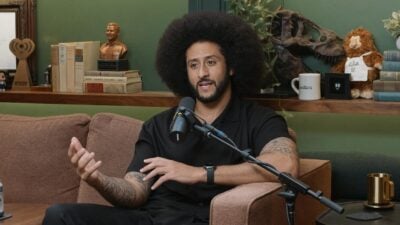





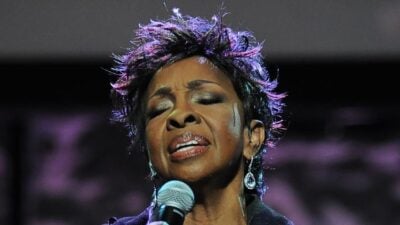

The documentary traces this strategy back to the Nixon administration, where Goldberg says it “becomes formulated. It becomes scientific.” He notes, “Nixon hires people who write memos (on) how to divide America. And if we can divide America and get the bigger half, then we can win power.” This approach, which Goldberg calls “55 years of Republican dog whistling,” evolved into a sophisticated playbook.
“Nixon sort of invents the war on crime,” he says, a policy amplified under Reagan that “turns the war on crime into a massive incarceration machine.” The result? “You don’t see any significant reductions in crime. You don’t see anything but the destruction of the African American family structure, the removal of the chance to pass down wealth to future generations.”
Goldberg’s interviews reveal the mechanics of this strategy. He recalls asking Steve Bannon, “Steve, you tell me, how did you get white voters to vote for Donald Trump? And he told me.” Bannon’s approach leaned heavily on “a strategy called the missing white voter,” which “leaned into a lot of anti-immigration narratives.”
Similarly, Sam Nunberg, a former Trump campaign operative, explained how “the whole thing around building the wall” was crafted to resonate with white voters. These narratives, Goldberg argues, “put space between white people and people of color. And that space is central today to what is dividing our nation.”
The rise of digital media and cable news has only sharpened these tactics. “There’s a huge connectedness between right-wing media and right-wing politics and the way they work together,” Goldberg says. Unlike the “crude” methods of Nixon’s era, modern strategies are more insidious, creating a “white fear industrial complex,” a term coined by Brian Stelter in the film.
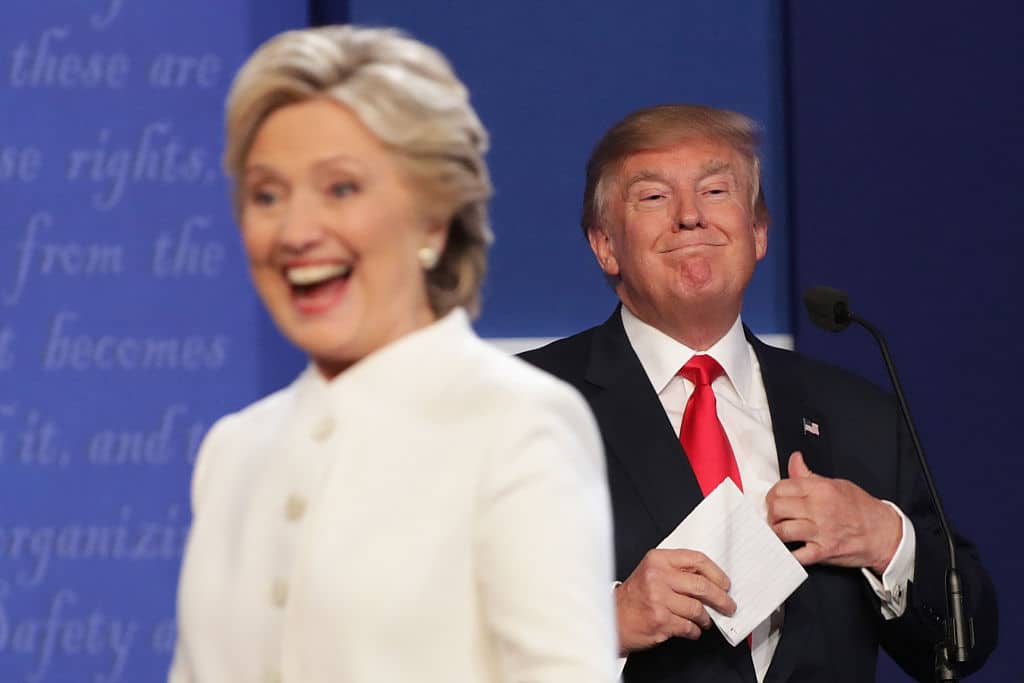
Goldberg emphasizes, “Scaring white people is a multi-billion dollar business, and it’s a way that people hold a grip on massive American power.” He points to tangible consequences: “They’re buying guns. They believe they need guns to keep themselves safe. They want to do things like put people in jail and stop immigration in ways that are draconian and terrifying.”
Securing interviews with ideologically opposed figures like Bannon and Clinton was no small feat. “Steve Bannon said he would interview with me after I got Hillary Clinton to agree to interview with me,” Goldberg reveals. “He felt that if she was bringing the gravitas to the film that her name would bring, that he would respond.” The result is a rare glimpse into the minds of political operatives, with voices like The Lincoln Project’s Stuart Stevens and “Dog Whistle Politics” author Ian Haney López adding depth to the exposé.
Goldberg, a journalist with 25 years of experience, also critiques the media’s role in amplifying divisive narratives. “It’s very, very hard to find any semblance of truth in reporting,” he laments, pointing to the influence of “corporate overlords” and the unchecked spread of misinformation on social media. “Everyone lies, and they just sit there because they want even more billions,” he says of social media companies.
On accountability, Goldberg is torn. “I don’t know how you hold someone accountable for voicing what seemed like an opinion,” he says, citing Stephen Miller as an example. A staunch free speech advocate, he believes “the best antidote against bad free speech is more free speech.” Yet, he acknowledges the harm: “It’s violent, and it’s destructive, and it leads to people’s lives being harmed and often destroyed.”
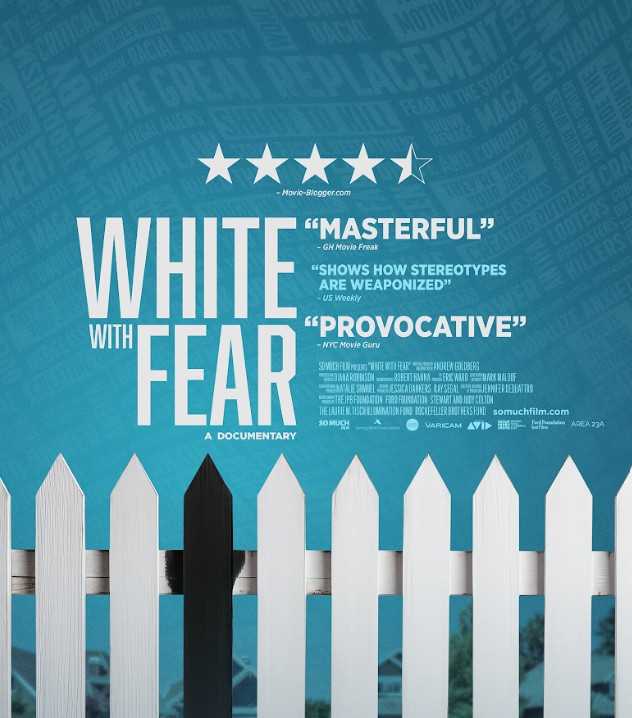
As the 2028 election cycle looms, Goldberg hopes “White With Fear” will spark conversation.
“Maybe five other documentary filmmakers will want to make follow-ups,” he says. “The more that we can talk about it and the more buzz we can create around the conversation, maybe we can affect some kind of change.”
He warns that this “strategic racism” is not accidental but “manufactured hate,” designed to divide. Reflecting on the state of political dialogue, he quotes Hillary Clinton from the film: “These people were children compared to what they’re doing now. What they’re doing now is not dog-whistling 2.0, it’s dog-whistling 8.0.”
“White With Fear” stands as a stark reminder of the forces shaping America’s political landscape, urging viewers to confront the deliberate strategies driving division. As Goldberg puts it, “This divisiveness in America is very, very destructive, and no one calls it out.”
Learn more about Andrew Goldberg’s documentary HERE. Watch our full conversation with the filmmaker below.
MORE NEWS ON EURWEB.COM: MAGAs Lookin’ for Payback! Cory Booker Accused of ‘Nazi Salute’ at Democratic Convention | WATCH
We Publish Breaking News 24/7. Don’t Miss Out! Sign up for our Free daily newsletter HERE.