*The Emergency Food Assistance Program (TEFAP) is a federal initiative aimed at providing essential food supplies to low-income individuals and families at no cost.
USDA provides 100% American-grown USDA Foods and administrative funds to states to operate TEFAP. Administered by the Food and Nutrition Service (FNS) under the U.S. Department of Agriculture (USDA), TEFAP operates in all 50 states, U.S. territories, and the District of Columbia.
Under this program, the USDA purchases nutritious food and allocates it to state agencies based on local poverty and unemployment rates. These agencies then distribute the food to food banks, soup kitchens, and pantries that serve communities directly. In addition to food assistance, TEFAP provides funding to help with the storage and distribution of goods.
TEFAP was established in 1981 to distribute USDA-purchased surplus food, benefiting both agriculture markets and low-income individuals. As surpluses declined by 1988, Congress passed the Hunger Prevention Act, allowing dedicated funding for food purchases. In 1990, the program was officially named The Emergency Food Assistance Program under the Farm Bill, continuing to provide both appropriated and surplus foods.
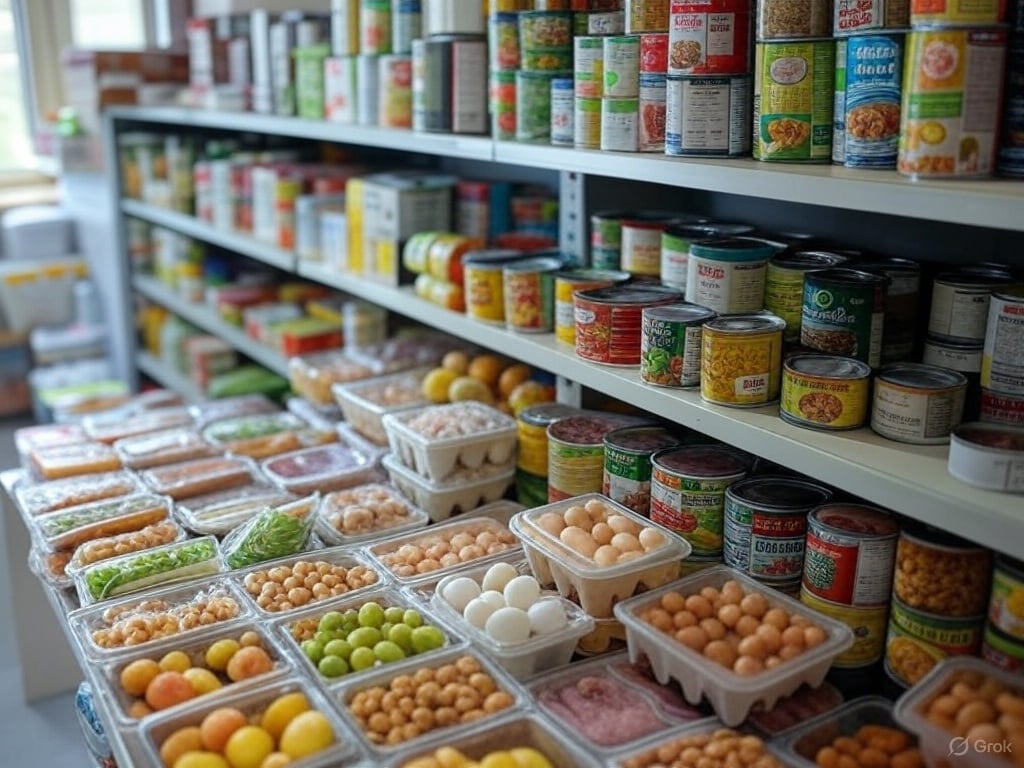
Per the TEFAP factsheet: “More than 130 nutritious, high-quality products are available. Products include canned, frozen, dried, juiced, and fresh fruits and vegetables; protein items such as meat, fish, eggs, nuts, and beans; whole and enriched grains such as rice, flour, cereals, pasta, and tortillas; and dairy products like milk, yogurt, and cheese. For a complete list of foods available through TEFAP, refer to the USDA Foods Available List for TEFAP.”
Scroll to continue reading










TEFAP recipients must meet state-determined income guidelines, which may align with other income-based assistance programs. However, individuals receiving prepared meals are automatically considered low-income and do not require an eligibility test.
TEFAP recipients may be eligible for a number of other FNS nutrition assistance programs.
For those in need of immediate food aid, resources are available through 211 hotlines, the USDA National Hunger Hotline, and local community organizations. Additionally, individuals affected by natural disasters can apply for emergency food stamps through the Disaster Supplemental Nutrition Assistance Program (D-SNAP).
You can get immediate food assistance from government and private organizations. Here’s more via Macra:
- Call 211 to find agencies and community organizations that can help you find food in an emergency.
- Call the USDA National Hunger Hotline at 1-866-3-HUNGRY (1-866-348-6479) or 1-877-8-HAMBRE (1-877-842-6273). Information is available in English and Spanish. The line is open Monday through Friday, 8 a.m. to 8 p.m. Eastern Time.
- Use the HUD “Find Shelter” tool to enter your zip code and find the nearest food pantry.
- Contact community or religious organizations to find a local food bank or pantry.
- Get emergency food stamps after suffering a presidentially declared disaster through the Disaster Supplemental Nutrition Assistance Program (D-SNAP).
This program plays a crucial role in alleviating food insecurity and ensuring that vulnerable populations have access to nutritious meals.
READ MORE FROM EURWEB.COM: Hall & Oates No More! Daryl Hall Confirms ‘That Ship Has Gone to Bottom of Ocean’ with John Oates | VIDEO
Sign up for our Free daily newsletter HERE.