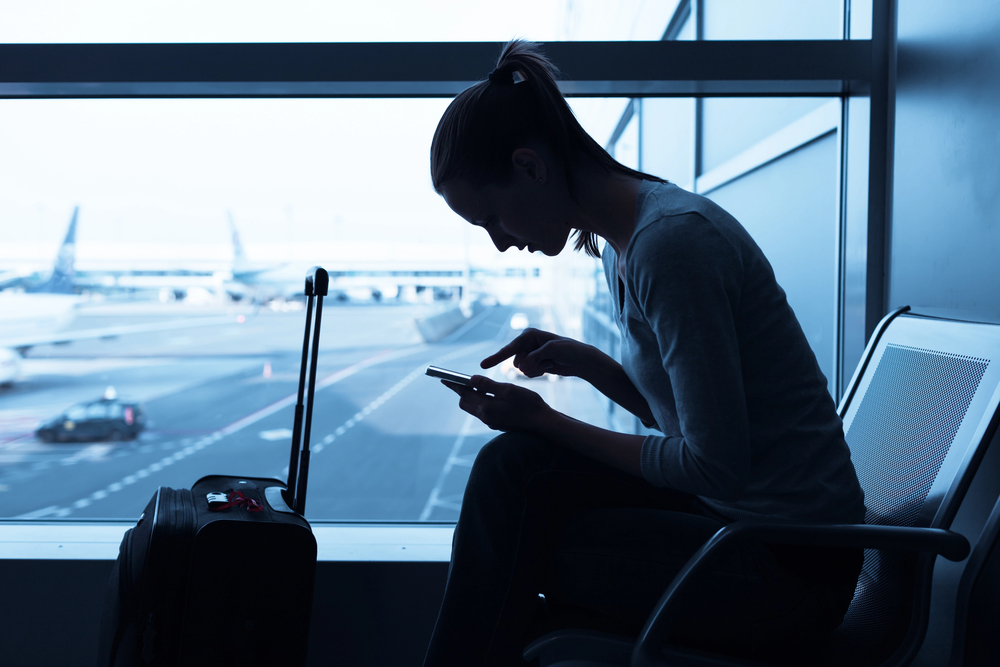
*The Transportation Security Administration (TSA) has issued a warning for smartphone users heading to airports, highlighting the risks of “juice jacking” and unsecured public WiFi.
As Forbes reports, the agency advises against plugging devices into public USB ports, citing potential cybersecurity threats that could compromise personal data. “When you’re at an airport, do not plug your phone directly into a USB port,” the TSA cautioned. “Bring your TSA-compliant power brick or battery pack and plug in there.”
The agency explained that “hackers can install malware at USB ports (we’ve been told that’s called ‘juice/port jacking’).”
Juice jacking occurs when a public charging station, such as those found in airports or hotels, is tampered with to act as a computer that extracts data from connected devices, rather than simply providing power. While actual incidents remain rare, the theoretical risk has long fueled debate among cybersecurity experts. Adding to the concern, a new research paper has introduced a sophisticated variant called “ChoiceJacking,” which researchers claim can bypass existing protections.
According to the Austrian research team, this attack allows a malicious charger to “autonomously spoof user input to enable its own data connection,” posing a greater threat to Android devices than iOS, though both platforms are potentially vulnerable.
Scroll to continue reading








The TSA also warned against using free public WiFi, particularly for sensitive tasks like online purchases. “Don’t use free public WiFi, especially if you’re planning to make any online purchases. Do not ever enter any sensitive info while using unsecure WiFi,” the agency stated.
While encrypted data from websites or apps is generally secure, risks include downloading malicious apps from fake WiFi splash pages, filling out fraudulent forms, or being redirected to phishing login pages for services like Microsoft or Google.
Travelers are urged to verify WiFi hotspots, use passkeys, avoid pop-up login windows, and refrain from sharing personal information. For added protection, experts recommend using a VPN on public WiFi and avoiding unlocking devices while connected to unfamiliar charging stations.
For high-risk travelers or those visiting areas with elevated cybersecurity threats, the advice is clear: carry a personal power bank and use a data shield or VPN to safeguard your device.
MORE NEWS ON EURWEB.COM: TSA Bans Power Banks in Checked Bags as New Travel Rules and REAL ID Deadline Hit
We Publish Breaking News 24/7. Don’t Miss Out! Sign up for our Free daily newsletter HERE.