Trump Targets Cashless Bail With Executive Orders
*On August 25, 2025, President Donald Trump signed two executive orders aimed at eliminating cashless bail policies.
The first order threatened to withhold federal funding from states and cities that had eliminated cash bail, while the second sought to pressure Washington, D.C. into reinstating traditional bail requirements. The move followed Trump’s August 11 call for legislation on the same issue.
The White House justified its actions by citing a 2023 Yolo County study that reported a 163% increase in crime under “zero bail” policies. Critics, however, point out that the study’s COVID-19 context limited its reliability. Still, the orders fit into Trump’s broader “crime crackdown” agenda, which has become a cornerstone of his second-term messaging.
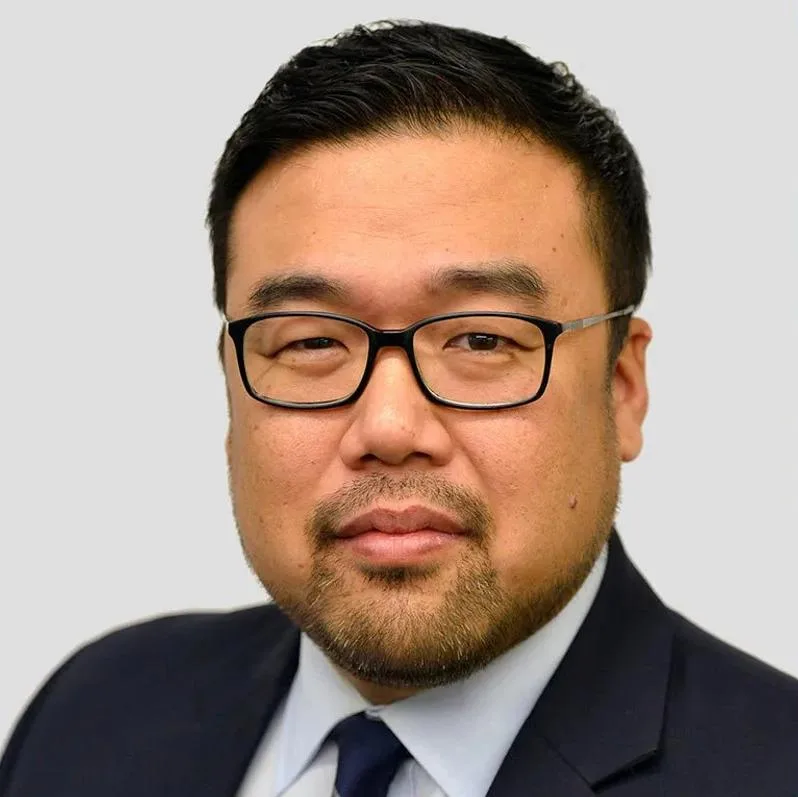
Trump’s stance immediately drew attention from reform advocates, setting the stage for MSNBC’s opinion piece by Ed Chung, vice president of initiatives at the Vera Institute of Justice and a former prosecutor.

Scroll to continue reading


MSNBC Editorial: Ed Chung’s Critique of Trump’s Orders
In an August 28 editorial for MSNBC, Ed Chung criticized the Trump cashless bail executive order moves as reinforcing a two-tiered justice system. According to Chung, wealthy defendants can buy their freedom while poor defendants remain behind bars, regardless of guilt or risk to public safety. He pointed to Trump’s own reliance on wealth, citing his $175 million bond payment in 2024, as a sign of hypocrisy.
Chung argued that Trump’s actions were politically motivated and not supported by real evidence. He contrasted the White House narrative with reforms in Illinois and New Jersey, where bail elimination correlated with crime reductions and improved court appearance rates. In Washington, D.C., data showed that 89% of pretrial releases in 2024 avoided rearrest, undermining Trump’s claim that cashless bail fuels crime.
The editorial also highlighted the Kalief Browder case, in which a 16-year-old spent three years at Rikers Island because his family could not pay $3,000 bail. Browder later died by suicide. For Chung, the case illustrates how cash bail punishes poverty rather than crime risk.
Data and Evidence Challenging Trump’s Narrative
Chung supported his argument with multiple data points from Vera Institute research. In Illinois, where cash bail was eliminated in September 2023, violent crime fell while court appearance rates rose by 2%. In New Jersey, similar reforms beginning in 2017 led to sharper crime declines than the national average.
He also cited a Brennan Center for Justice report from 2024 that found no evidence linking cashless bail to rising crime. Additionally, Vera studies show that even a short 24-hour jail stay can increase the likelihood of rearrest, suggesting that pretrial detention undermines public safety in the long term.
Chung warned that Trump’s actions not only undermine reform progress but also prop up the $2 billion bail bond industry. He argued that this industry profits directly from policies that criminalize poverty—making them natural allies to Trump’s agenda.
Public and Political Reactions to the Editorial
MSNBC’s publication of Chung’s piece quickly sparked debate. Progressives praised the editorial as a clear rebuttal of Trump’s approach, while conservatives defended Trump’s emphasis on safety and order. On social media, MSNBC’s link to the article gained 20,000 likes within hours, with users like @JusticeReform writing, “Chung’s right on the money.” On the other side, @Trump2024 countered, “Safety matters,” fueling polarized exchanges across X with over 95,000 mentions by the afternoon of August 28.
Media outlets including The New York Times, CNN, and Yahoo covered both Trump’s orders and Chung’s response, broadening the national conversation around bail reform. CNN reported that advocates are already planning protests against Trump’s executive orders, citing Chung’s data in their messaging.
Community groups in Baltimore, Chicago, and D.C. amplified the editorial, pointing to racial and economic disparities in pretrial detention. While Chung did not accuse Trump of racial bias directly, he emphasized that Black and low-income communities are disproportionately harmed by cash bail.
Critical Analysis of Chung’s Argument
Chung’s critique of the Trump cashless bail executive order is strong, backed by both national data and case studies. His framing of Trump’s reliance on wealth to secure freedom highlights hypocrisy that resonates with many Americans. However, the editorial does downplay legitimate concerns raised by localized studies like Yolo County’s, which, while limited, do point to risks.
The editorial’s greatest strength lies in connecting reform outcomes to real-world examples, from Illinois’ declining crime to Kalief Browder’s tragedy. Its weakness may be in framing Trump’s actions as entirely political, without acknowledging complexities in public safety debates. Still, Chung’s expertise as a former prosecutor and current Vera executive lends significant credibility to his stance.
Current Status
As of August 31, 2025, Trump’s executive orders remain in effect, though they face potential legal challenges due to federalism issues. Former Attorney General Pam Bondi has been tasked with reviewing their legality, with results expected in the coming weeks. Meanwhile, MSNBC’s editorial by Chung continues to fuel national debate, shaping how Americans view both Trump’s agenda and the future of bail reform.
3 Reasons Trump’s Bail Orders Sparked Controversy
- They revive a two-tier justice system. Critics argue cash bail punishes the poor while wealthy defendants easily buy freedom, as Trump himself did in 2024 with a $175 million bond.
- Evidence doesn’t back Trump’s claims. Data from Illinois, New Jersey, and D.C. show crime fell or stayed steady after bail reform, contradicting his safety narrative.
- They boost the bail bond industry. The $2 billion bail bond business benefits directly from Trump’s executive orders, raising questions about whose interests are really being served.
MORE NEWS ON EURWEB.COM: Ray Lewis Throws Holy Shade: Says Shannon Sharpe Chose ‘The Devil’s Popularity’ Over Godly Influence | WATCH
We Publish Breaking News 24/7. Don’t Miss Out! Sign up for our Free daily newsletter HERE.