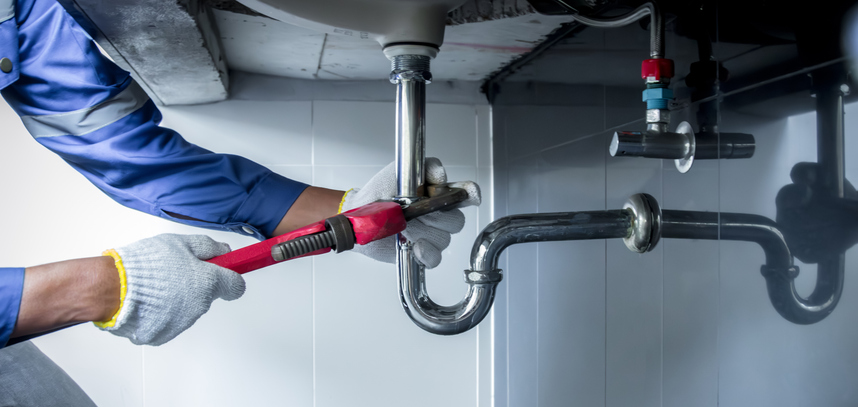
*Many homeowners don’t realize that everyday items they rinse away can wreak havoc on their plumbing systems.
What seems like a convenient disposal method often leads to expensive repairs and serious pipe damage. Professional plumbers identify specific culprits that should always stay out of your drains to maintain a healthy plumbing system and protect local water sources.
As Real Simple reports, below are 9 common items plumbers warn should never go down the drain.
Paint
Scroll to continue reading









The chemical composition of paint products poses risks to both drainage infrastructure and environmental water quality. Always follow manufacturer disposal guidelines or transport surplus paint to designated hazardous material collection sites.
Grease, Fats, and Oils
Liquid cooking residues undergo temperature changes that turn them solid within drainage pathways, forming barriers that restrict flow in residential and community waste systems. Container disposal after cooling prevents these problems.
Fibrous Vegetables
Stringy produce including celery stalks, onion layers, and artichoke parts become entangled in garbage disposal mechanisms and restrict drainage channels. Yard waste bins or regular refuse containers serve as appropriate alternatives.
Starchy Foods
Rice, pasta, and potato pieces swell with moisture and develop sticky consistencies that line drainage passages. Installing mesh catchers in sink basins stops these materials at the source.
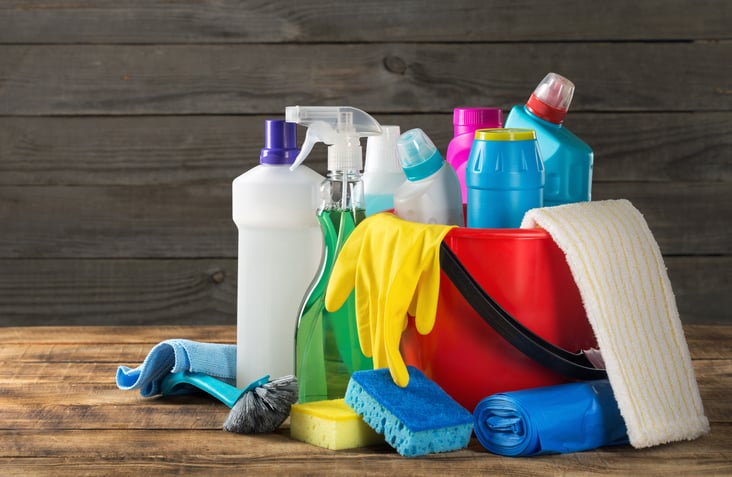
Household Cleaners
Chemical formulations in standard cleaning solutions deteriorate piping infrastructure and compromise waste processing systems. Specialized hazardous material facilities handle these products appropriately.
Coffee Grounds
Spent grounds combine with their inherent oil content to form compact masses inside drainage lines. Yard composting or standard waste removal offers better disposal routes.
Produce Stickers
Tiny adhesive labels affix themselves to drainage surfaces and filtration equipment, generating unexpected flow restrictions. Manual removal and trash placement before washing prevents these issues.
Kitty Litter
Clay-based formulas absorb moisture and swell regardless of packaging claims about toilet safety. Sealed bag disposal through regular trash collection remains the only recommended approach.
Eggshells
Shell pieces decompose slowly and gather along drainage interior surfaces gradually over extended periods. Composting applications provide useful alternatives to sink disposal.
MORE NEWS ON EURWEB.COM: Electrician Warns Against Plugging These High-Wattage Items Into Power Strips to Prevent Fire Hazards
Sign up for our Free daily newsletter HERE.