*In a powerful show of unity, nearly 2,000 journalists and supporters gathered online for a national town hall following the federal arrests of two Black journalists, an event speakers described as part of a broader and alarming escalation against a free press.
The virtual event, titled “Not On Our Watch” and hosted by the National Association of Black Journalists (NABJ), was organized in direct response to the January 2026 indictments of independent journalists Don Lemon and Georgia Fort. They were arrested and charged with federal crimes for covering an anti-ICE protest at a church in St. Paul, Minnesota, charges their attorneys have vowed to fight as a violation of the First Amendment. A federal magistrate judge had previously refused to sign an arrest warrant for Lemon, finding no evidence of criminal behavior.
Los Angeles Mayor Karen Bass, who convened her own emergency meeting with Black officials and media after the arrests, participated in the NABJ town hall and urged the organization to explore creating a dedicated legal defense fund for Black journalists. This call for financial support underscored a central theme of the discussion: the significant economic and legal pressures journalists now face.
“Reporters are walking the streets now… On one arm there’s a Sharpie with an immigration attorney and a name and a phone number, and on the other one is the First Amendment lawyer’s name,” said Karen Rundlet of the Institute for Nonprofit News, highlighting the precarious reality for modern journalists.
Karen Bass – Getty
? A Disturbing Pattern of Intimidation
Speakers at the town hall placed the arrests within a worrying national trend. Just days before the Lemon and Fort indictments, the FBI searched the home of Washington Post reporter Hannah Natanson, seizing her devices in the first-known instance of a federal home search targeting a journalist for a leak investigation. This action, combined with new restrictive media policies from the Department of Defense, has created what press freedom advocates call a severe chilling effect.
Veteran advocate Joel Simon, former head of the Committee to Protect Journalists (CPJ), offered a stark global warning: “The first line of attack is against journalists and the media… If you see journalists coming under attack, you know that there’s a broader crackdown that’s coming”.
Trevor Timm of the Freedom of the Press Foundation provided hard data, citing 19 incidents of aggression against journalists in Minnesota over the past six months alone, including reporters being pepper-sprayed, shoved, and hit with rubber bullets.
⚖️ The Unique Risk for Journalists of Color
A focal point of the discussion was the disproportionate danger faced by Black journalists and other journalists of color. NABJ President Errin Haines noted that Black journalists are often assigned to cover civil unrest, protests, and police violence, placing them directly in harm’s way more frequently.
This vulnerability is compounded for independent journalists and those from smaller, community-focused outlets who lack the institutional and legal backing of large corporate newsrooms. Temple University professor Vanessa Maria Graber pointed out that for many communities, Spanish-language or other ethnic media are the primary news sources, yet these outlets often lack safety training and legal resources.
NABJ logo
?️ Building Collective Defense
In response to these threats, the town hall served as a critical clearinghouse for resources. Representatives from over a dozen major journalism organizations outlined existing support systems:
Legal Hotlines: The Reporters Committee for Freedom of the Press and others offer pro bono legal assistance.
Emergency Funds: Groups like the International Women’s Media Foundation (IWMF) and the American Society of Journalists and Authors (ASJA) maintain funds for journalists in crisis.
Safety Training: The IWMF and CPJ provide hostile-environment and digital safety training, now increasingly needed for domestic reporting.
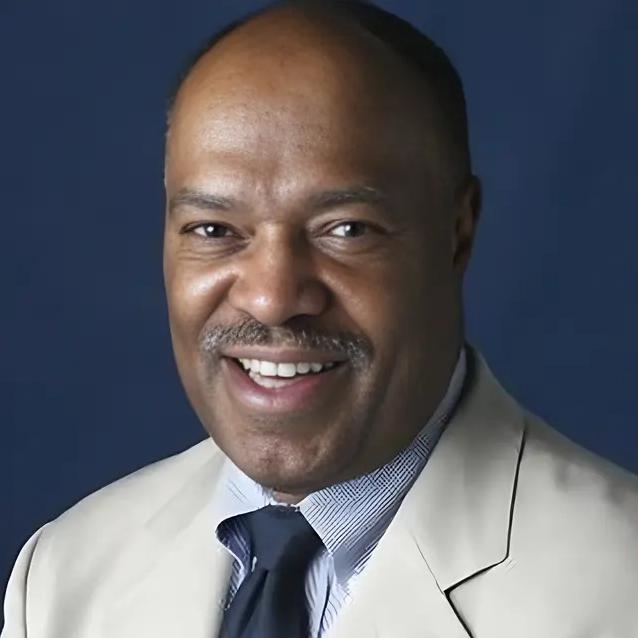
NABJ Vice President Roland Martin emphasized collaboration over duplication: “If there’s somebody who’s already doing something, it doesn’t make sense for NABJ to say, well, let’s create our own. No, if you already got it, how can we tap into it?”
Roland Martin – Instagram screenshot
? A Historic Battle Rekindled
The current moment carries deep historical echoes. Journalist and professor Nicole Carr connected the recent arrests to the federal government’s harassment of the Black press during World Wars I and II, a pattern of intimidation targeting journalists who hold power accountable in communities of color.
Ultimately, the town hall transcended the specifics of any single case. It was a rallying cry for the foundational role of a free press. As Errin Haines concluded, “A free press is not a privilege. It is a public good, and protecting it is a shared responsibility”. The hundreds who tuned in and the thousands who have since watched the recording signaled a profession determined not to be silenced, standing together to defend the public’s right to know.
This article is based on reporting from
Richard Prince
This article is based on reporting fromRichard Prince’s Journal-isms, a leading source of news and commentary on diversity issues in the media, which provided comprehensive coverage of the town hall and the events leading up to it
(If You Like/Appreciate This EURweb Story, Please SHARE it!)
We Publish Breaking News 24/7. Don’t Miss Out! Sign up for our Free daily newsletterHERE.
About Fisher Jack
Fisher Jack is a contributing writer for EURweb, covering entertainment, politics, and culture through a distinct lens. Known for candid analysis and a passion for amplifying Black voices, he adds depth and perspective to today’s headlines.
Tell Us What’s on Your Mind!
Tell us what we’re doing right and wrong. Tell us what you want from EURweb.
*Nelly and Ashanti are bringing viewers back into their lives for a second season of “Nelly and Ashanti: We Belong Together,” premiering Thursday, November 19, with all …