Over 230,000 pages of MLK assassination files released
*While the controversy over the release of the Epstein files continues to grow, yesterday (07-21-25), the Trump administration released more than 230,000 pages of documents tied to the 1968 assassination of Dr. Martin Luther King Jr. The release was ordered under Executive Order 14176, signed earlier this year. The massive document dump includes FBI files, CIA records, and foreign police reports related to James Earl Ray, King’s confessed killer.
Despite Ray’s guilty plea, many people have long questioned whether he acted alone. The newly released files, now available through the National Archives, were expected to shed light on the case. But early analysis from historians suggests no major revelations about a larger conspiracy or FBI involvement in King’s death.
MLK’s children condemn release as disrespectful and harmful
Martin Luther King III and Bernice King strongly criticized the release of the files. They said it was painful and could revive old smear campaigns tied to the FBI’s COINTELPRO program. That program had illegally surveilled King and tried to discredit him during the height of the civil rights movement.
“We urge everyone to view these files with empathy, restraint, and respect for our family’s grief,” the King children stated. They believe the documents—some sealed by court order until 2027—were released prematurely and could be misused to distort King’s legacy.
Scroll to continue reading








FBI surveillance of MLK: wiretaps, threats, and harassment
From 1963 to 1968, the FBI wiretapped King’s phones and bugged his hotels and offices. These actions were approved by Attorney General Robert F. Kennedy and were justified by claims that King had communist ties. But much of the information collected focused on his personal life and was used to attack his character.
The COINTELPRO program went further. Agents spread rumors, forged letters, and tried to break King emotionally. One anonymous letter even urged him to commit suicide. The FBI also infiltrated the Southern Christian Leadership Conference (SCLC), the group King led.
SCLC and civil rights groups challenge legality of the release
The SCLC has called the release unjustified and harmful. They argue that many of the records were legally sealed until 2027. By releasing them early, they say the government is ignoring King’s dignity and the trauma still carried by his family and followers.
The group believes the files were made public without legal backing and against the wishes of King’s descendants. They’ve asked for greater accountability in how sensitive historical records are handled, especially those involving civil rights icons.
Supporters call it a step toward government transparency
Not everyone opposed the release. King’s niece Alveda King and Attorney General Pamela Bondi praised it. They said the move encourages transparency and helps Americans understand history—even if it’s uncomfortable. Bondi emphasized that public access to these records is essential in a democracy.
Still, critics say the timing is political and that it reopens wounds. The public debate highlights the balance between revealing the truth and protecting a person’s legacy from being twisted.
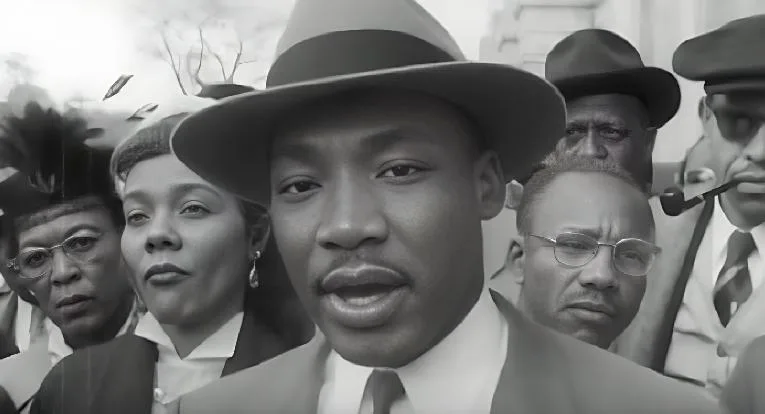
COINTELPRO’s dark legacy continues to raise concerns
The FBI’s actions against King were part of a much broader pattern. Under COINTELPRO, the agency also spied on the Black Panthers, Native American activists, and even feminist groups. These abuses were uncovered in 1971 and condemned by the Church Committee in the mid-1970s.
Historians have since shown that many of J. Edgar Hoover’s accusations were false or exaggerated. But the damage to public trust and to King’s reputation remains. Some researchers say the impact of COINTELPRO still lingers in how movements and leaders are treated today.
What the MLK assassination files tell us—and what they don’t
So far, experts say the new documents add detail but don’t change the big picture. There’s still no proof of FBI involvement in King’s murder, and many files repeat what’s already known. But the release does confirm the extreme lengths to which the FBI went to monitor, discredit, and silence King.
For King’s family, that’s enough reason to object. They say the damage from these efforts is still being felt, and the public must tread carefully when reviewing the files. For them, the fight isn’t just about truth—it’s about dignity and preserving King’s legacy.
Why this release matters to today’s readers
The release of the MLK assassination files connects past government overreach with modern questions of transparency. As more classified records are unveiled—including files on the JFK and RFK assassinations—people are demanding accountability. Even the Epstein case is driving public interest in how secrets are handled.
For civil rights activists and King’s supporters, this moment is a test. It asks whether America is ready to confront its past without damaging the people who shaped its progress. The King family hopes the answer includes compassion, respect, and responsibility.

MORE NEWS ON EURWEB.COM: Ex-Louisville Cop Brett Hankison Sentenced to 33 Months in Breonna Taylor Case | VIDEO
Sign up for our Free daily newsletter HERE.