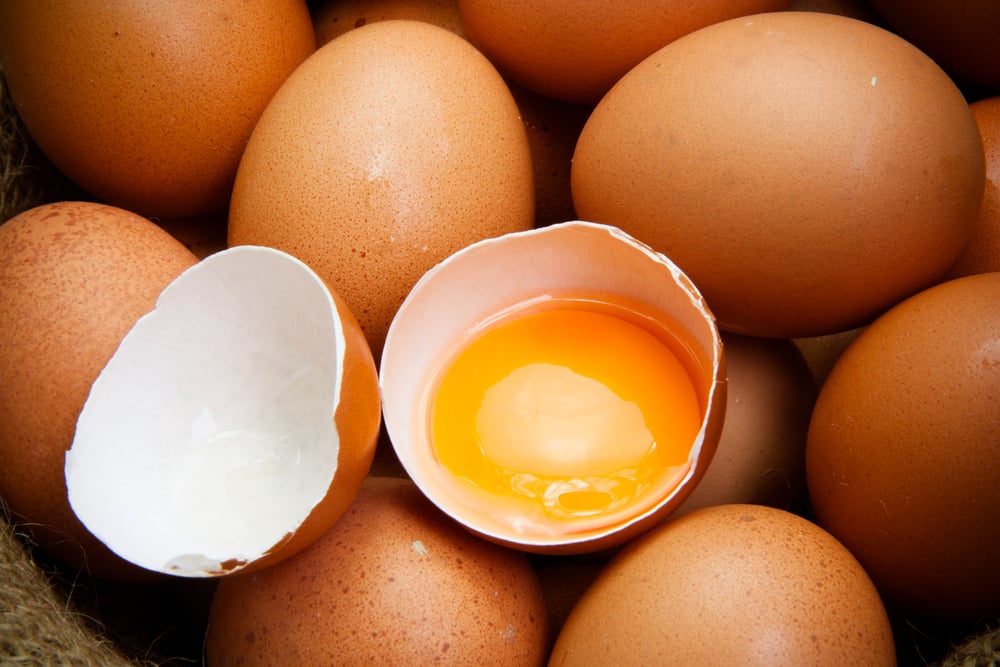
*Cracked an egg on the way into the kitchen? You likely don’t have to throw it out, but you do need to cook it quickly and thoroughly.
Dr. Darin Detwiler, a food scientist who previously taught food policy, told Good Housekeeping that an egg cracked at home is usually safe. “It’s probably going to be fine,” he said.
Leaving it raw in the refrigerator isn’t the move. Detwiler recommends cooking it right away and skipping any dish that calls for a soft yolk.
Scrambled or fried eggs work best, as long as nothing on the plate is still wet or jiggly. Undercooked whites and yolks give lingering germs a better chance to survive.
Scroll to continue reading









The Egg Safety Center sets a higher bar for damaged eggs. It advises heating them to 165°F, compared with a 144°F minimum for scrambled or fried eggs that arrive intact.
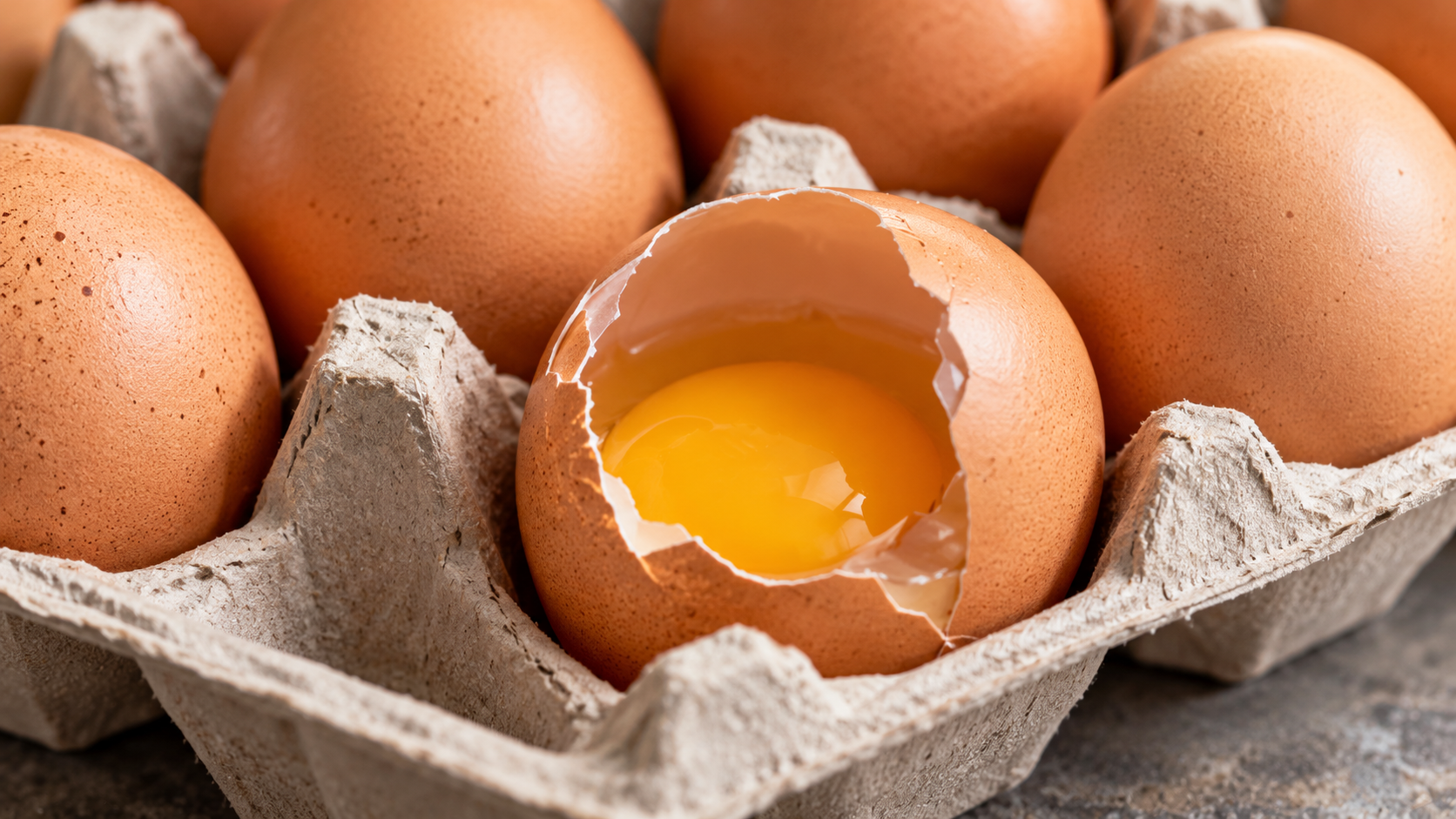
The bigger concern is a crack you didn’t cause. When an egg has broken inside the carton for a long stretch at the supermarket, Detwiler says it has probably already picked up contamination. The reason lies on the egg’s outside shell.
“There are pathogens on eggs,” Detwiler explained, pointing to the shell itself as the source.
An intact eggshell serves as a protective barrier against bacteria. Made primarily of calcium carbonate, along with proteins and other minerals, the shell helps keep harmful microbes out. But when it cracks, bacteria on the surface can enter the egg and contaminate the white and yolk, increasing the risk of foodborne illness. That’s why cracked eggs in any carton deserve a closer look.
Before putting a carton of eggs in your cart, lift the lid and check for cracks. Avoid cartons with broken or visibly dirty eggs.
MORE NEWS ON EURWEB.COM: Muhammad Ali’s New Wheaties Box Costs $19.64 — Here’s Why
Sign up for our Free daily newsletter HERE