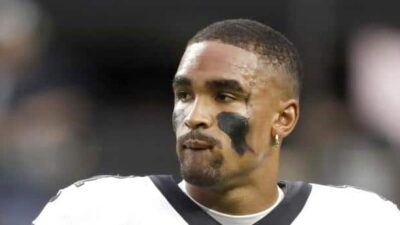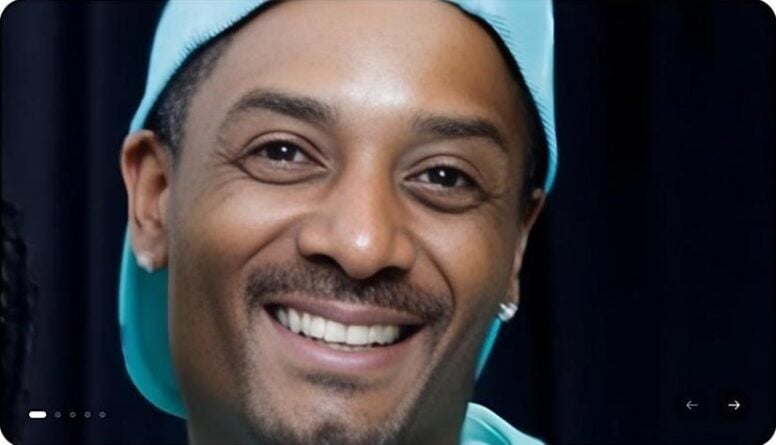
*On New Year’s Eve 2025 in Los Angeles, Keith Porter Jr. was allegedly gunned down by Brian Palacios, a Hispanic ICE agent. Two weeks later, Alex Pretti was allegedly killed by two Hispanic Border Patrol agents: Jesus Ochoa and Raymundo Gutierrez.
These three shootings—along with a fourth, the killing of Renee Good—are the most controversial and highest-profile incidents. They have stirred the greatest public anger and mass protests against ICE. The fact that the accused agents in these three deadly shootings are Hispanic has raised many eyebrows, defying the seemingly usual pattern in dubious law-enforcement killings of protesters, Black individuals, or Hispanics, where the shooters are almost always—or are widely assumed to be—white. These three killings challenged that conventional assumption.
But did they really? ICE agents are a diverse group. In fact, the agency’s diversity tilts heavily toward Hispanics. While Hispanics constitute close to twenty percent of the overall federal workforce, they make up more than thirty percent of ICE agents.
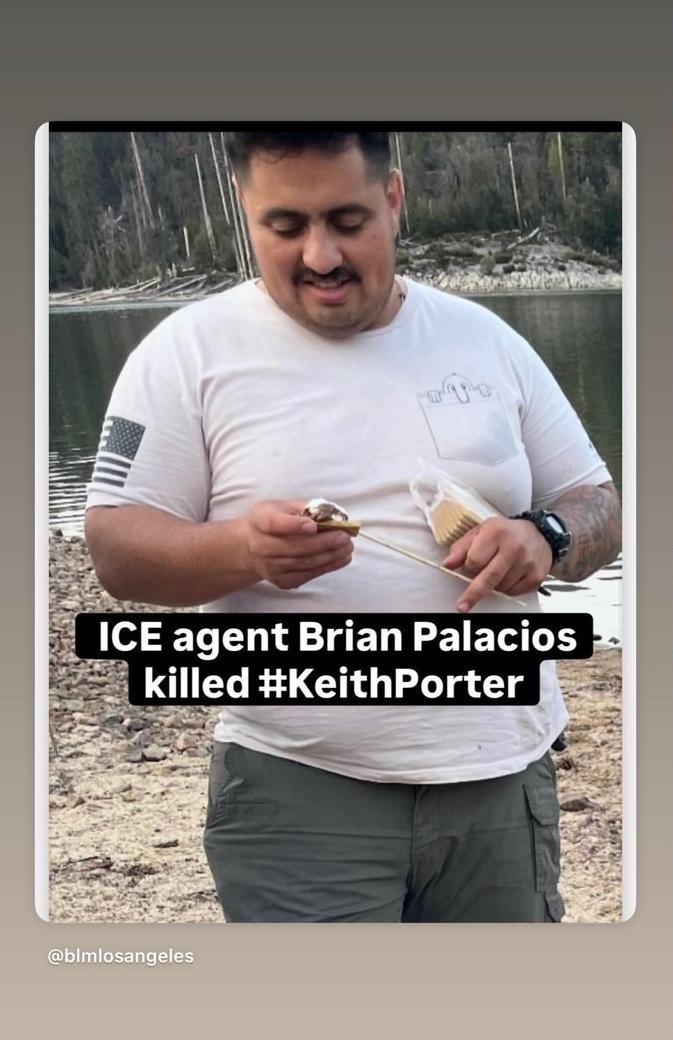
A considerable number of these agents are involved in the much-disputed ICE sweeps and raids. The agency has faced widespread accusations of racial profiling and sexual and child abuse of immigrant detainees. As evidenced by the agents implicated in the Porter and Pretti killings, the overuse of deadly force is another grave concern.
Scroll to continue reading






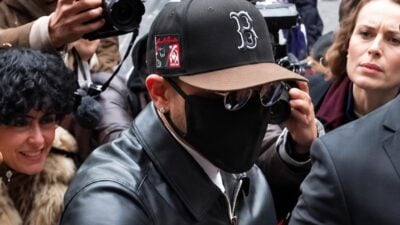


In the overwhelming majority of cases where ICE agents are accused of abuses, the alleged victims are other Hispanics, both documented and undocumented immigrants. At demonstrations, protesters and immigration reform activists have repeatedly taunted Hispanic agents, calling them sellouts and traitors. A common question posed is why they work for an agency so widely loathed within their own community.
The answers vary. For many prospective Hispanic ICE agents, it is a solid, well-paying job that offers excellent opportunities for personal and professional advancement. For the more idealistic, it is a way to serve and protect their community. A top Hispanic ICE official once emphasized this point, noting that he assigned agents strictly to border patrol duties rather than to conduct sweeps.
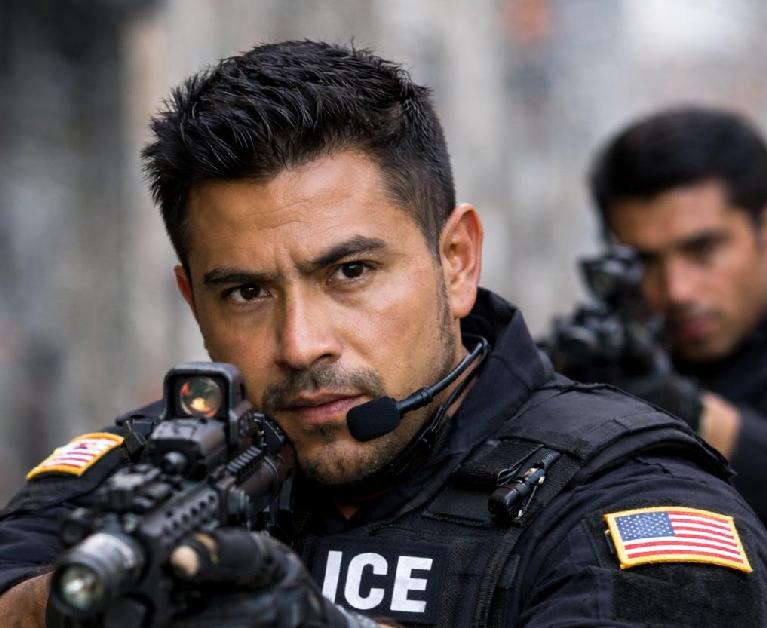
But that was before Trump took charge. Regardless of an agent’s idealism or their view of themselves as community protectors, Trump sharply changed the rules of engagement. As one Hispanic ICE agent noted, policies are now dictated from the top—specifically, by Homeland Security officials.
The administration deployed hundreds of agents to mostly Democratic-controlled cities and predominantly Black and Hispanic neighborhoods. This move was seen as granting an open license to use any measure, no matter how harsh or extra-legal, to crack down on immigrants. During Trump’s first year back in office, ICE agents flooded Los Angeles, Chicago, Washington D.C., Memphis, and Minneapolis. The gloves were off.
The killings of Pretti, Porter, and Good were the most infuriating and outrageous outcomes. The two Hispanic agents accused in Pretti’s death are prime examples of the aggressive “get tough” directive under Trump. Both were assigned to Operation Metro Surge, an immigration enforcement dragnet launched in December 2025 that sent scores of armed and masked agents into targeted cities. An undisclosed number of these agents were almost certainly Hispanic.
Their identities, specific assignments, and actions—both legal and extra-legal—were deliberately concealed. ICE and Homeland Security officials have made it clear that, despite demands from local and state officials, congressional representatives (mostly Democrats), and public interest groups, they will not release the names of agents who use deadly force or are accused of abuses.
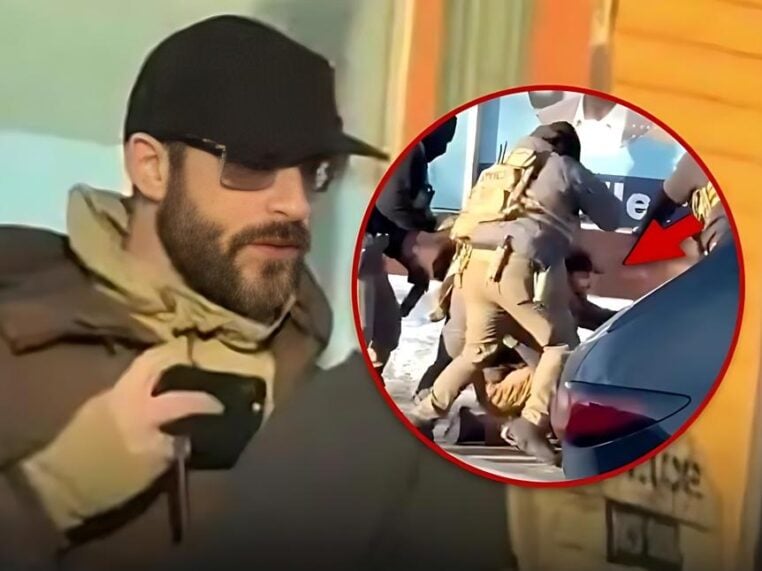
It was ProPublica, a leading public interest group—not Homeland Security—that found and released the names of the ICE agents accused in Pretti’s killing. Their investigation also revealed that one of the agents was an avid gun collector who had been assigned to an ICE special response team that handles SWAT-like duties. For agents on such teams, de-escalation of potential confrontations is not a priority; violence is.
The deaths of Porter and Pretti are ugly testaments to that reality. The official line from Homeland Security, ICE, and Trump is that agents like Palacios, Ochoa, and Gutierrez were just doing their jobs. Many of the other Hispanic agents who comprise a significant portion of ICE would likely say the same. And there are a lot of them.

Earl Ofari Hutchinson is an author and political analyst. His latest book The ICE Shooting Scorecard (Amazon ebook and Middle Passage Press PB) He hosts the weekly news and issues commentary radio show The Hutchinson Report Wednesdays 6 PM PST 9 PM EST at ktymgospel.net. and Facebook Livestreamed at https://www.facebook.com/earl.o.hutchinson
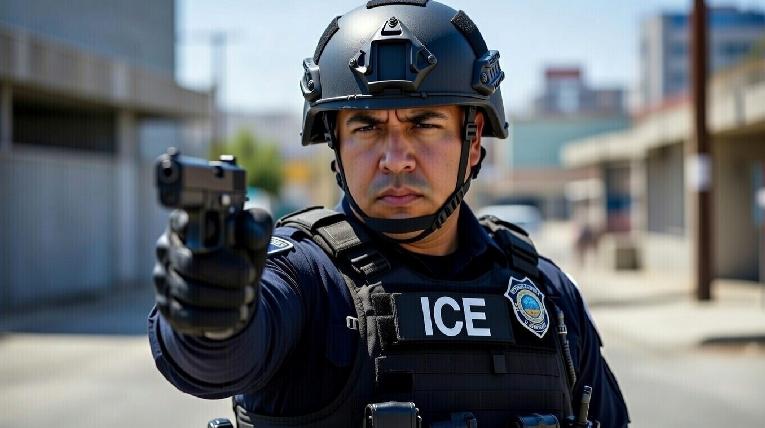
(If You Like/Appreciate This EURweb Story, Please SHARE it!)
MORE NEWS ON EURWEB.COM: Santa Barbara ICE Confrontation Goes Viral—Then Gets Trumpified | WATCH-it-Happen
We Publish Breaking News 24/7. Don’t Miss Out! Sign up for our Free daily newsletter HERE.