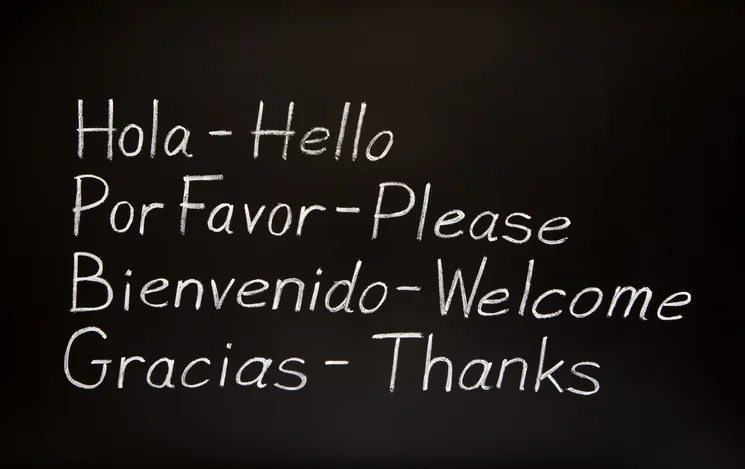
*Traveling to Spain becomes more rewarding when you speak a few key Spanish phrases, according to language expert James Smith from Learn Spanish with James. Simple expressions like “Buenos días” (BWAY-nos DEE-ahs) for good morning or “Por favor” (por fah-VOR) for please show respect and foster warmer interactions with locals.
“I’ve seen firsthand how travelers who make an effort to speak Spanish, even just a few words, receive such a different reception from locals,” says Smith. These phrases, paired with cultural awareness, can unlock authentic experiences.
For dining, phrases like “Una mesa para dos, por favor” (OO-nah MEH-sah PAH-rah dos, por fah-VOR) for a table for two or “¿Qué me recomienda?” (KEH meh reh-ko-mee-EN-dah?) for what do you recommend? enhance the experience.
“When you ask ‘¿Qué me recomienda?’ you’re inviting conversation, rather than simply ordering food,” explains Smith. Spain’s leisurely dining culture values these interactions, and locals often share insider tips on dishes.
Scroll to continue reading




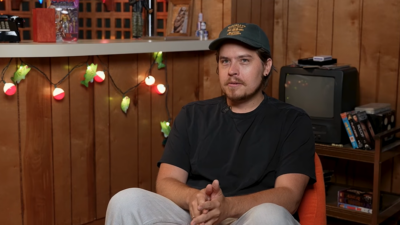


Navigating Spain is easier with phrases like “¿Dónde está…?” (DON-deh es-TAH?) for where is…? or “No hablo español muy bien” (no AH-blo es-pah-NYOL mwee bee-EN) for I don’t speak Spanish very well. “The last phrase is golden,” says Smith, noting that admitting you’re learning prompts patience from locals. These expressions help travelers ask for directions or assistance confidently.
Shopping and markets call for phrases like “¿Cuánto cuesta?” (KWAN-toh KWES-tah?) for how much does it cost? or “Vale” (BAH-leh) for okay. “It’s like the Spanish version of ‘cool’ or ‘alright’,” Smith notes, explaining that “vale” adds a natural flair to conversations. These phrases make haggling or casual exchanges feel more authentic.
In emergencies, knowing “Necesito ayuda” (neh-seh-SEE-toh ah-YOO-dah) for I need help or “¿Dónde está el baño?” (DON-deh es-TAH el BAH-nyoh?) for where is the bathroom? is crucial. “Don’t be embarrassed about asking for the bathroom,” says Smith. He advises using formal “usted” with older people or in professional settings, adding, “When in doubt, start formal.”
Smith emphasizes that enthusiasm matters more than perfect pronunciation. “I’ve watched thousands of students transform their travel experiences just by learning these basic phrases,” he says.
These expressions open doors to local festivals, hidden restaurant gems, and genuine connections. For more tips, visit Learn Spanish with James.
MORE NEWS ON EURWEB.COM: Travel Expert Shares Simple Formula to Pack the Perfect Amount of Underwear
Sign up for our Free daily newsletter HERE.