The Eaton Fire Changed Altadena Forever
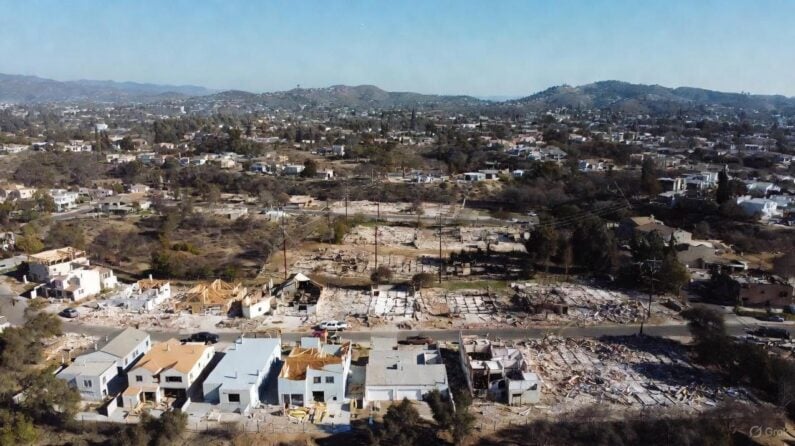
*The notorious Eaton Fire, which erupted one year ago today on January 7, 2025, became one of California’s deadliest wildfires—killing 19 and destroying thousands of homes. The flames tore through West Altadena, displacing families, flattening neighborhoods, and leaving deep racial and economic scars.
One year later, much of Altadena is still recovering. Progress is slow, but the community’s determination is strong. Locals are commemorating loss, planting sunflowers on scorched lots, and rebuilding—block by block.
Delayed Evacuations and Disproportionate Impact on Black Neighborhoods
West Altadena’s historically Black neighborhoods were hit hardest, with evacuation delays and higher exposure. Redlining and historical segregation left these areas more vulnerable, with older homes and limited resources.
Nearly 60% of Black-owned homes in the fire zone suffered severe damage. Meanwhile, wealthier areas like Pacific Palisades rebounded faster, highlighting harsh recovery disparities.
Scroll to continue reading








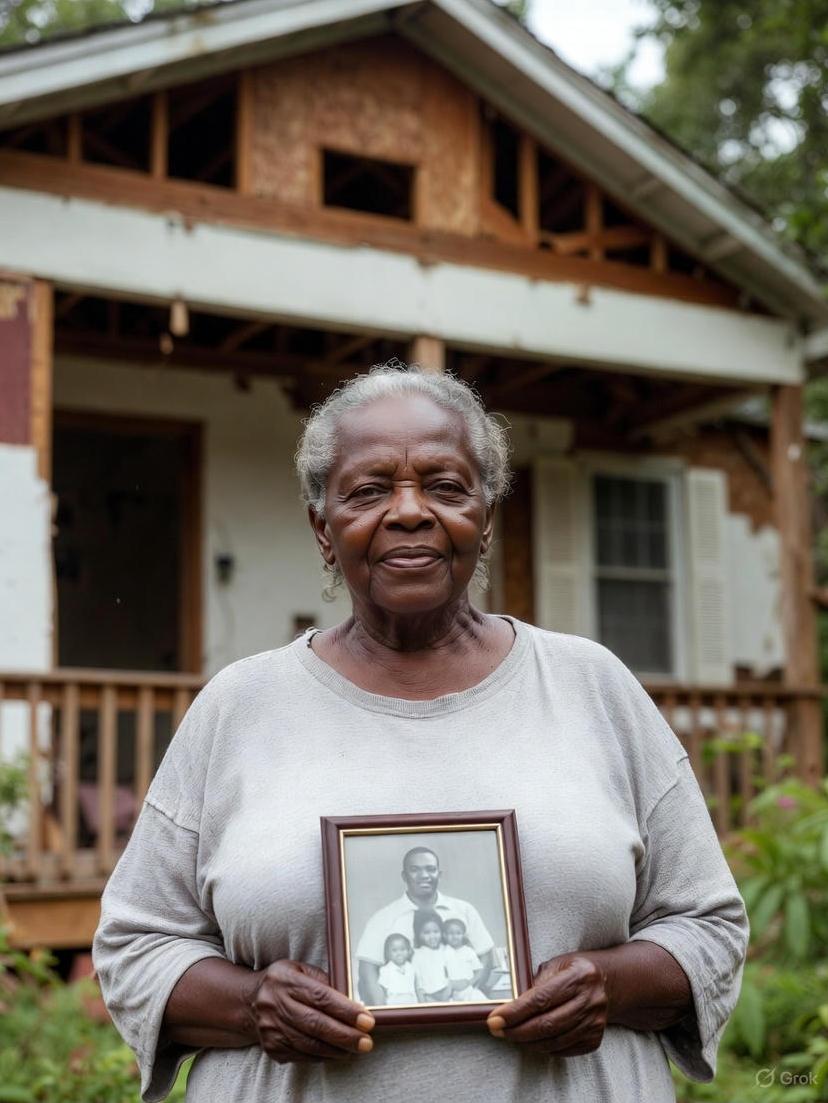
One Year Later: Recovery Progress and Setbacks
Roughly 8 in 10 affected families remain displaced. Insurance delays or denials have stalled many returns. Just 12–13% of destroyed homes had been permitted for rebuilding by late 2025, with some completions expected early 2026.
Groups like Habitat for Humanity are stepping in to construct fire-resistant homes. But obstacles—like permit backlogs, labor shortages, and rising costs—make rebuilding slow and expensive.
Fighting Speculators and Gentrification After the Fire
As families struggle to rebuild, speculators are circling burned lots, hoping to profit. Altadena activists are pushing back hard.
Groups like Altadena Not for Sale and Altagether are forming community land trusts and legal protections. Their goal: stop displacement, protect generational wealth, and keep Altadena’s Black heritage intact.
Honoring Lives Lost and Demanding Accountability
January 7, 2026, marked a powerful day of remembrance in Altadena. Two vigils honored the 19 lives lost, blending grief with calls for change and justice.
Thousands joined the inaugural Altadena Forever Run days earlier, raising over $100,000 for recovery. Events included panels demanding better insurance reform, rebuilding access, and infrastructure accountability.
Unequal Recovery and the Call for Policy Change
Studies show Black and Asian homeowners face the slowest rebuilding progress. Over 70% of severely damaged Black-owned homes show no permit activity.
Many older residents are cost-burdened, underinsured, or on fixed incomes—facing barriers wealthier areas didn’t. Local leaders and UCLA researchers are urging new policies for targeted aid, faster claims, and anti-displacement tools.
Altadena’s Spirit Endures—But Help Is Still Needed
Despite the setbacks, Altadena’s communities are fighting to stay together. Neighbors are rebuilding side by side. Christmas Tree Lane still lit up. Hope grows where homes once stood.
But real recovery needs more than resilience—it needs equity, funding, and political will. The Eaton Fire left a scar, but also sparked a movement. Altadena isn’t just rebuilding homes—it’s reclaiming its future.
Southern California Edison Under Fire for Suspected Role
One of the biggest unanswered questions remains: What started the Eaton Fire? Investigations continue to point toward Southern California Edison (SCE) as the likely culprit.
While SCE hasn’t admitted fault, lawsuits from fire victims and advocacy groups accuse the utility of negligence. Claims cite aging infrastructure, failure to cut power during high-risk conditions, and poor vegetation management.
SCE has offered a limited compensation program, but critics say it falls far short of covering real losses. Until accountability is confirmed, many residents feel justice—and safety—remain out of reach.

(If You Like/Appreciate This EURweb Story, Please SHARE it!)
MORE NEWS ON EURWEB.COM: L.A.’s Entertainment Economy Faces Major Collapse in Hollywood | WATCH
Sign up for our Free daily newsletter HERE.