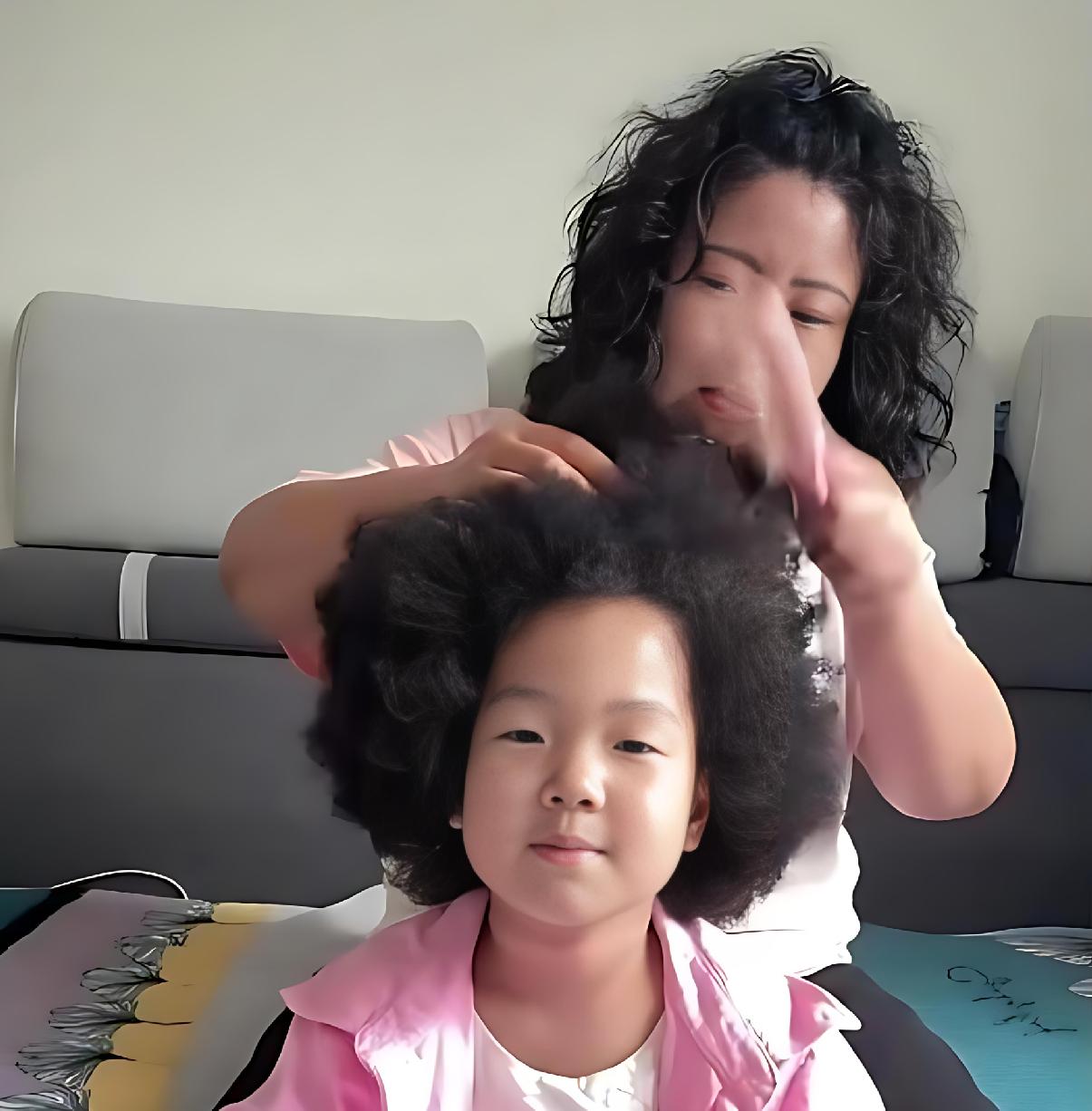
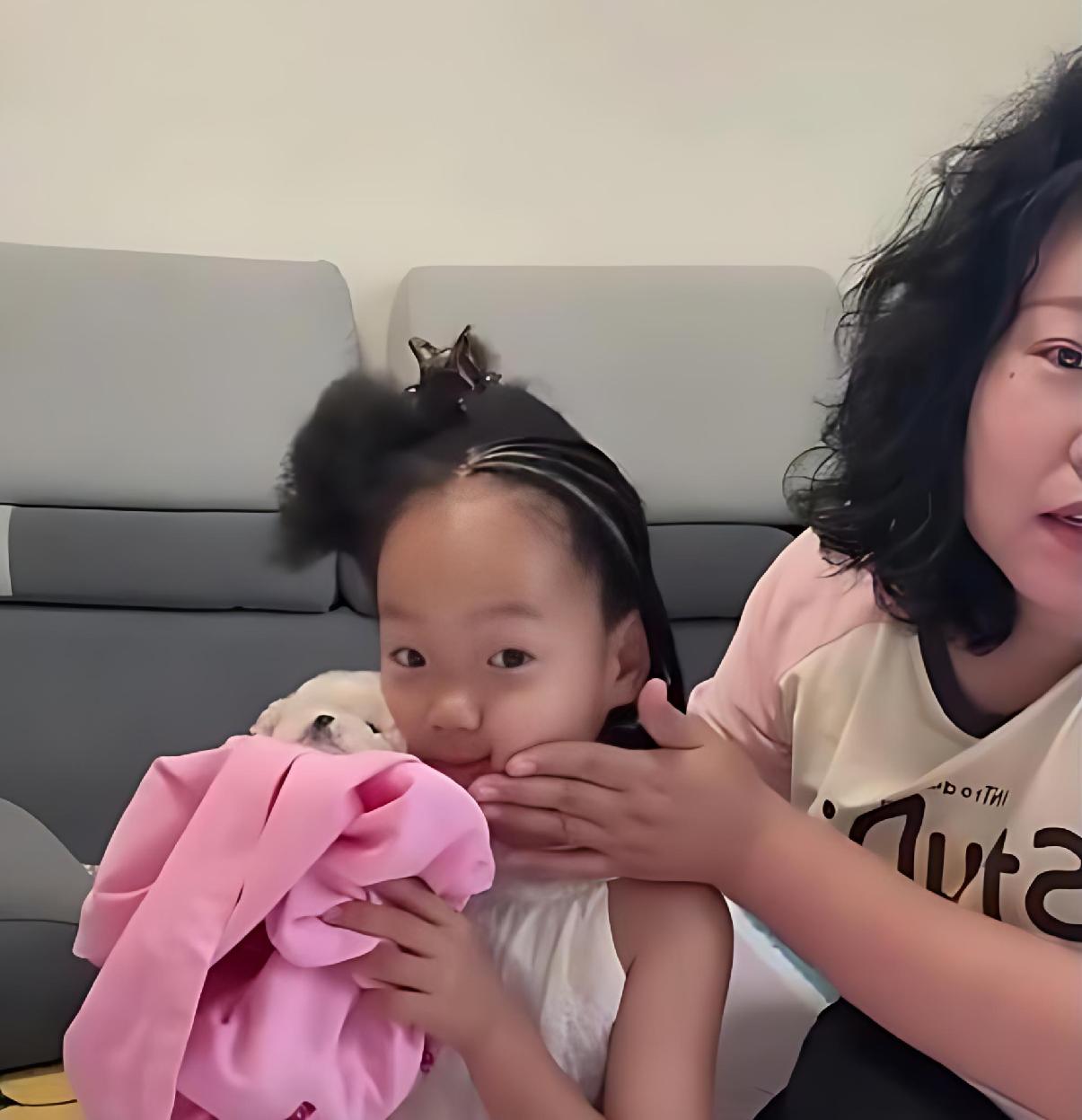
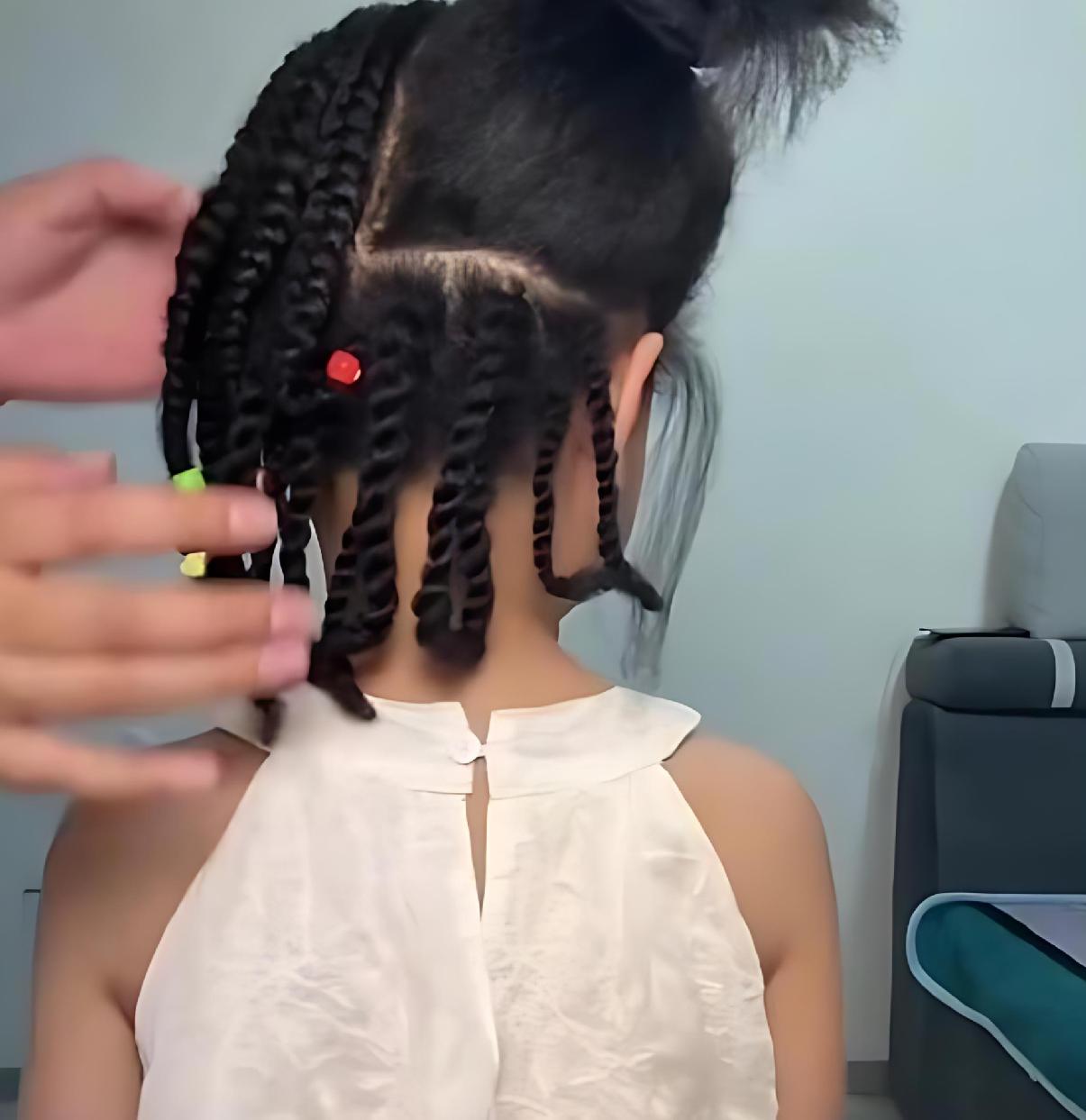
*A young girl whose family has identified her as Chinese has become one of social media’s most talked-about viral sensations—not because of what she said or did, but because of her naturally coiled hair.
Videos of the child have racked up millions of views across TikTok, Instagram and other social media platforms, where viewers were captivated by her tightly coiled curls, which many online have described as resembling a 4C hair texture. The clips quickly sparked debate, with many users questioning how a child presented as Chinese could have hair so commonly associated with people of African descent.
The conversation has since grown into something much bigger than a viral moment, raising questions about race, genetics, beauty standards and the assumptions people make based on physical appearance.
Why Everyone Thought She Was Black
Much of the online reaction centered on surprise.
Thousands of commenters admitted they initially assumed the girl was Black, biracial or otherwise of mixed heritage because of her hair. Others questioned whether her curls were natural or the result of styling.
Scroll to continue reading





The family has presented the child as Chinese, but her ancestry has not been independently verified through public records or genetic testing. Even so, the widespread reaction revealed how strongly many people associate certain physical features with particular racial or ethnic groups.
For many viewers, the videos challenged assumptions they didn’t realize they held.
What Science Says About Hair Texture
Scientists have long known that hair texture is influenced by multiple genes rather than a single “curly hair gene.”
While straight hair is the most common hair texture among East Asian populations, genetic variation exists within every population. Researchers have identified several genes that influence curl patterns, hair thickness and follicle shape, though no public information explains the genetics behind this specific child’s hair.
Experts caution against drawing conclusions about someone’s ancestry based solely on physical traits such as hair texture, skin tone or eye color. Human genetics are complex, and visible characteristics don’t always align with people’s expectations.
That complexity is one reason the videos have resonated with so many people online.
Why the Story Resonates with Black Audiences
For many Black viewers, the discussion surrounding the girl’s hair felt strikingly familiar.
Natural hair has long been the subject of stereotypes, discrimination and debates over what is considered “professional” or “acceptable.” From school dress codes to workplace policies, Black communities have spent decades pushing back against biases aimed at Afros, coils, locs, braids and other natural hairstyles.
Against that backdrop, many commenters welcomed the viral videos as another reminder that hair texture alone doesn’t define race or identity.
Others viewed the conversation as an opportunity to educate people about genetics while challenging long-held assumptions about what different ethnic groups are “supposed” to look like.
Summary of Reactions
- Admiration & Positivity — Many commenters call her “beautiful,” “cute,” and “inspiring.” People celebrate genetic diversity and her mom’s efforts to style and care for her hair. Black creators and viewers often express joy seeing representation of textured hair globally.
- Surprise & Curiosity — A huge wave of shock: “I thought Asians only had straight hair!” Many initially assumed she was mixed, wearing a wig, or had treatments. Once clarified (parents are fully Chinese, hair is natural), reactions shift to genetics lessons.
- Genetics & Education — Discussions about recessive genes, hair texture variation, and how East Asians can naturally have curly/coily hair (though rare). Some tie it to broader talks on race, stereotypes, and “hair doesn’t define ethnicity.”
- Skepticism/Denial — A minority insists it’s manipulated (perms, flexi rods) or questions her ancestry despite evidence. Others debate hair typing (is it truly 4C?).
- Cultural Commentary — Some East Asians note that curly hair exists but is often straightened due to beauty standards. Positive stories of the girl confidently styling her own hair (pigtails, etc.) get love.
A Viral Moment with a Bigger Message
Whether the girl’s videos fade from social media or remain part of a larger cultural conversation, they’ve already accomplished something few viral posts do: they’ve encouraged millions of people to question their own assumptions.
The fascination isn’t really about one child’s curls. It’s about the stories people tell themselves when they see someone who doesn’t fit their expectations.
As conversations about race, beauty and representation continue to evolve, the viral response serves as a reminder that human diversity is often far more complex—and far more interesting—than stereotypes suggest.
(If You Like/Appreciate This EURweb Story, Please SHARE it!)
RELATED NEWS ON EURWEB.COM: Nappy & Happy: ‘Curlfest’ Celebrates the Sheer Awesomeness of Black Girls and Our Natural Hair (Watch)
We Publish Breaking News 24/7. Don’t Miss Out! Sign up for our Free daily newsletter HERE.