3 Key Takeaways on Chicago Violence and Trump’s National Guard Threat
- Trump gains a narrative boost. The 54 shootings over Labor Day weekend gave him a fresh argument for federal troops in Chicago.
- Democrats stay data-driven. Illinois leaders argue crime is trending down, making Trump’s threat political theater.
- Public perception matters. The weekend’s bloodshed risks undermining Democrats’ message, even if long-term data supports them.
Labor Day Weekend Sparks Renewed Debate
*Chicago’s Labor Day weekend turned grim, with 54 people shot and seven killed between August 29–31 (2025), NBC Chicago is reporting. The spike immediately fed into President Donald Trump’s long-running portrayal of Chicago as a “disaster” requiring federal intervention. On August 30, he posted on Truth Social, “He better straighten it out, FAST, or we’re coming!”—a warning aimed at Governor JB Pritzker.
The incident provided a fresh backdrop for Trump’s repeated threats to deploy the National Guard. The Chicago violence Trump National Guard narrative has become a centerpiece of his push to expand federal authority into Democratic-led cities, much like his deployments in Washington, D.C. and Los Angeles earlier this year.

Does This Give Trump More Justification?
The casualty figures alone offered Trump an easy talking point. The scale of violence allowed him to frame Chicago as proof of Democratic failure, echoing his earlier claim that residents were “screaming for us to come.” Conservative voices on X amplified the story, warning of lawlessness and calling for action. To Trump’s base, the weekend looked like confirmation of his tough-on-crime stance.
Scroll to continue reading








Legally, though, his hands are tied. Federal troop deployments require invoking the Insurrection Act or Section 12406 of Title 10, both of which demand extraordinary justification. Unlike widespread riots, a weekend of heightened violence does not constitute an insurrection. Governor Pritzker’s refusal to request federal help further undercuts Trump’s authority. Still, the high-profile violence strengthens Trump’s political leverage, if not his legal case.
Democrats Argue Crime Is Down
Governor Pritzker and Mayor Brandon Johnson countered Trump’s claims with data. According to Chicago police and ABC News, shootings are down 37% and homicides 32% compared to the same period in 2024. Overall violent crime in 2025 has dropped 22%. Johnson called the weekend tragic but pointed out that Labor Day spikes are not unusual—42 people were shot in 2024. In his words: “This is a painful reminder, but it does not erase the progress Chicago has made.”
The Chicago violence Trump National Guard debate exposes the clash between perception and reality. Democrats emphasize trends: homicides are at a five-year low, robberies down 35%, and pre-pandemic benchmarks surpassed. Trump emphasizes exceptions: violent weekends that create splashy headlines and viral outrage.
Public Perception and Political Fallout
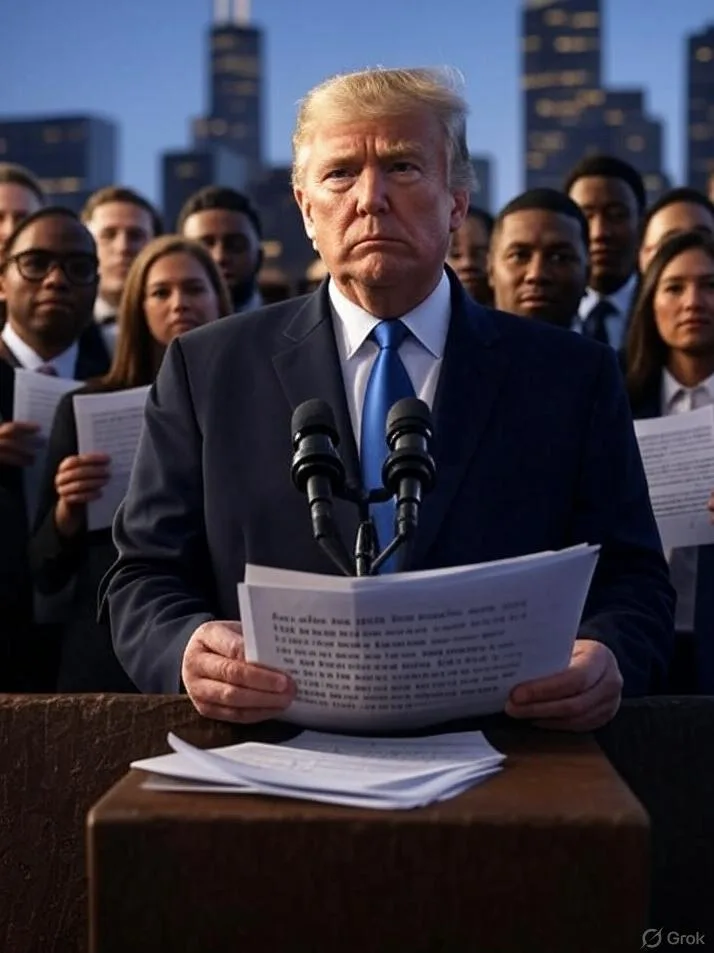
Democrats may hold the data, but Trump arguably holds the narrative. A spring NORC survey found half of Chicagoans feel unsafe at night, despite declining crime rates. That anxiety makes spikes like Labor Day politically powerful. By highlighting isolated weekends, Trump exploits the gap between statistics and lived experience. His message resonates with fearful residents, even if crime overall is trending down.
For Democrats, the challenge is framing. Pritzker and Johnson argue federal troops would inflame tensions and violate constitutional limits. Johnson’s “Protecting Chicago Initiative,” which funds community-led violence prevention, has shown measurable results. But when 54 people are shot in three days, voters may question whether local measures are enough.
Critical Assessment
The Chicago violence Trump National Guard debate boils down to competing truths. Trump gains political fuel from weekend spikes, even if legal barriers limit action. His strategy leans more on optics than authority, positioning himself as the law-and-order president confronting “Democratic chaos.”
Democrats, by contrast, stress the long-term trajectory. They argue that crime is down, community initiatives are working, and federal deployments would be unconstitutional overreach. Their case is statistically sound but politically vulnerable: a single bloody weekend can overshadow a year of progress in public opinion.
Broader Implications
This episode reflects a wider clash over federal power and state sovereignty. Trump’s threats target Democratic-led cities as much for politics as policy. Legal challenges in California and elsewhere suggest courts may ultimately rein him in. But in the short term, his base is energized, and Democrats are forced to explain statistics to an anxious public. In politics, perception often beats numbers.
Conclusion
The Labor Day violence gave Trump ammunition, but not a green light. His justification for deploying the National Guard gains rhetorical force but remains shaky legally. For Democrats, the weekend risks undercutting their “crime is down” message, even though the broader data supports them. The fight between Trump’s optics and Democrats’ statistics will define the next chapter of this standoff.
MORE NEWS ON EURWEB.COM: Ray Lewis Throws Holy Shade: Says Shannon Sharpe Chose ‘The Devil’s Popularity’ Over Godly Influence | WATCH
We Publish Breaking News 24/7. Don’t Miss Out! Sign up for our Free daily newsletter HERE.