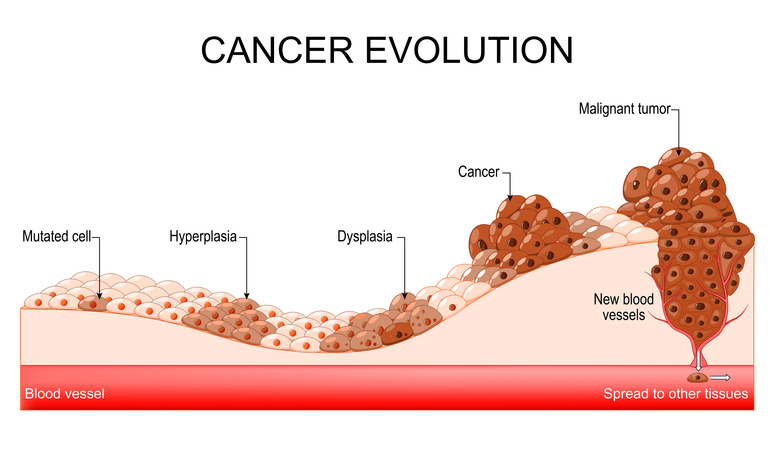
*When people think about cancer risk, smoking, alcohol, sun exposure, and other lifestyle factors often come to mind. But researchers say the factor most associated with cancer is something no one can avoid: aging.
Kristen Haase, an associate professor in nursing at the University of British Columbia, and Shabbir Alibhai, a professor in the University of Toronto’s Department of Medicine, explain that cancer becomes increasingly common as people grow older, The Independent reports.
The connection is important because aging is not simply another risk factor that can be eliminated through lifestyle changes. It is a natural process everyone experiences, making the relationship between age and cancer particularly significant as populations around the world get older.
The researchers say older adults are the fastest-growing population globally. Cancer is also one of the most common diseases among older adults, creating a growing need to understand how aging affects both cancer risk and treatment.
Scroll to continue reading








One reason cancer becomes more common with age is that older adults often have existing health conditions and changes in physical or cognitive function that can influence how they respond to treatment. The researchers say those factors need to be considered when doctors and patients make decisions about cancer care.
International guidelines, including recommendations from the American Society of Clinical Oncology, call for older adults to receive a geriatric assessment before cancer-treatment decisions are made. Such assessments can examine cognition, physical function, existing illnesses and remaining years of life while also considering what matters most to the patient.
The researchers emphasize that standard cancer evaluations may not always identify problems that are apparent through a more comprehensive geriatric assessment.
The findings do not suggest that lifestyle-related risks such as smoking or alcohol use suddenly become unimportant. Rather, they highlight a different reality: even people who avoid major preventable risk factors can still face increasing cancer risk as they age.
That makes aging a central part of the cancer conversation. As more people live into older age, understanding how cancer intersects with the physical changes of aging could become increasingly important to providing treatment that fits the individual rather than focusing only on the disease.,
MORE NEWS ON EURWEB.COM: Foster Sylvers Dies at 64 Following Battle with Metastatic Prostate Cancer
We Publish Breaking News 24/7. Don’t Miss Out! Sign up for our Free daily newsletter HERE.