*Your liver can develop significant damage without producing obvious warning signs, making liver disease particularly difficult to recognize early.
Some people with liver disease feel perfectly normal during its earliest stages. Symptoms may not appear until damage becomes more advanced, according to Verywell Health. Fatigue ranks among the symptoms that can accompany liver problems. Persistent weakness, nausea, poor appetite, and unexplained weight loss can also occur as liver function worsens.
However, these symptoms can accompany many other health conditions. Their presence alone does not mean someone has liver disease.
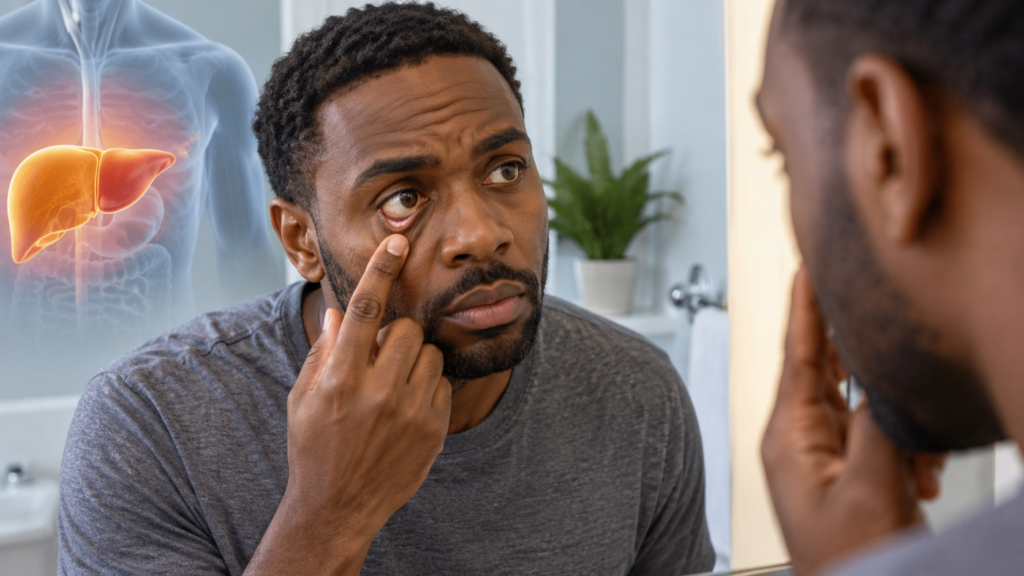
Changes involving your eyes, skin and urine may provide more noticeable clues. Jaundice causes the skin or whites of the eyes to develop a yellowish color.
Scroll to continue reading









Yellowing of the skin may be harder to recognize on Black or brown skin, Mayo Clinic notes. Checking the whites of the eyes may make jaundice easier to notice.
Dark urine and unusually pale stool can also occur with liver disease. Other possible signs include itchy skin, easy bruising and swelling in the legs or ankles. Fluid can also build up in the abdomen as liver disease advances. Doctors call this condition ascites.
The National Institute of Diabetes and Digestive and Kidney Diseases says cirrhosis may produce no symptoms during its earliest stage. Symptoms can emerge after the liver becomes badly damaged.
Alcohol can damage the liver, but it represents only one possible cause. Chronic hepatitis B or C infections and metabolic fatty liver disease can also cause serious damage. Obesity, metabolic syndrome and type 2 diabetes can increase the risk of metabolic fatty liver disease. Some inherited and autoimmune conditions can also damage the liver.
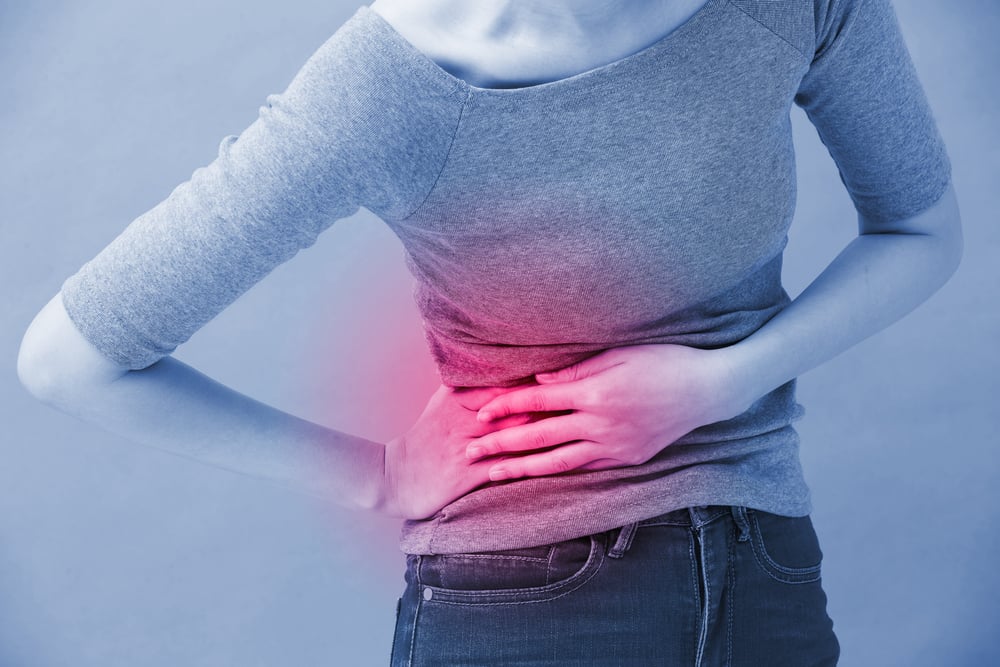
Symptoms cannot tell you exactly what is happening inside your liver. Doctors may use blood tests, imaging and other examinations to identify liver problems. Anyone with persistent or concerning symptoms should contact a healthcare professional. Severe abdominal pain warrants immediate medical attention.
The absence of symptoms does not guarantee a healthy liver. Recognizing changes and discussing risk factors with a healthcare professional can help identify problems that might otherwise remain hidden.
MORE NEWS ON EURWEB.COM: D. Smith Says He’s Detransitioning After 12 Years
We Publish Breaking News 24/7. Don’t Miss Out! Sign up for our Free daily newsletter HERE.