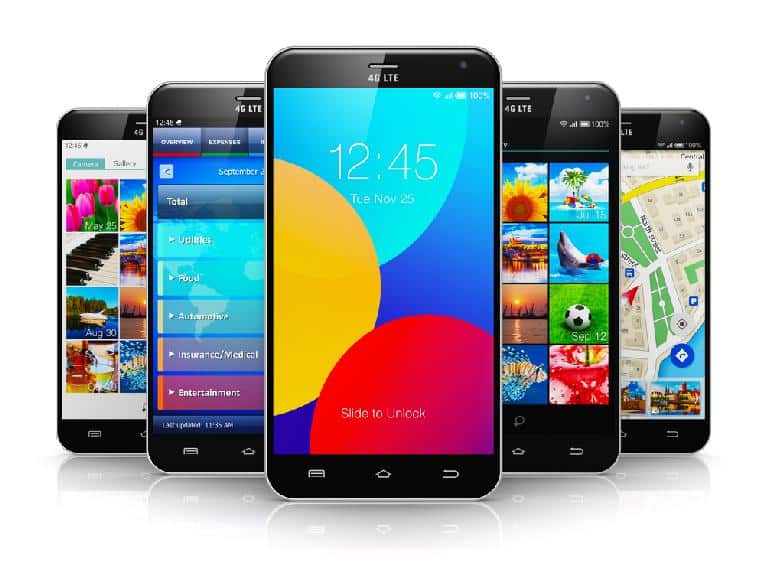
*For many people, young and old, their smartphone is as important as their car. So what happens if power is low on the phone and a charge is needed? Will the vehicle be able to do the job?
Of course it can! The trick is to do it without causing the same thing to happen to your car. Options for a car-powered phone charge include the following (per SlashGear):
Using your car’s USB port
Plugging a charger into the cigarette lighter socket
Using a built-in wireless charger
Scroll to continue reading










Now that we’ve got our options on the table, how about the next point of concern? Namely, will the vehicle-assisted phone charge mess up your car?
“When you charge your phone in the car with the engine running, the alternator recharges the car’s battery by constantly converting mechanical energy into electrical energy. Since the alternator essentially functions as a generator, there is usually enough power to support both the car’s electrical components and your smartphone, SlashGear stated, while providing useful guidance.
“That said, you still need to follow the proper charging practices, such as using a reliable charging cable, preferably one sold by the smartphone manufacturer. You should also ensure the cable is in good condition and free from any kind of damage. If you’re using a USB car charger, avoid cheap or low-quality ones, as they can cause problems with your phone and the vehicle’s electrical system.”
No damage done. A good car is a great car, with the vehicle ready on the outside to do battle on the highway.
Rewinding the little to no power status of a phone, it’s no crime to think your car will be. Do you need to keep the engine running while charging your phone?
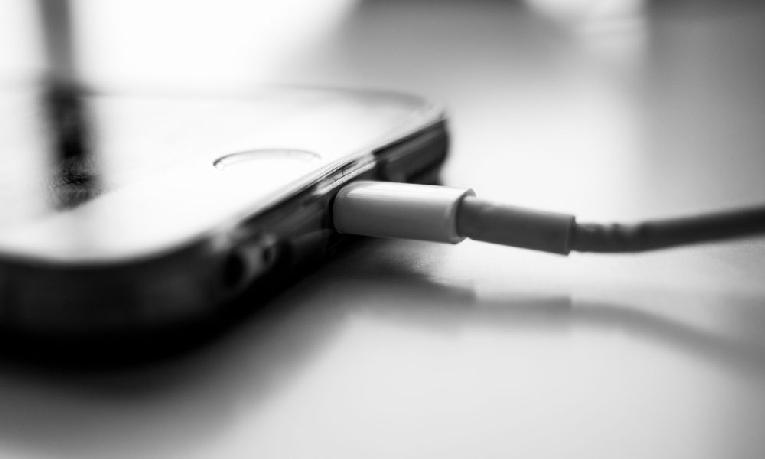
As appealing as it may sound, the answer would be no. A running vehicle is not necessary to charge your phone up. But there are things you can do to ensure your battery goes the distance after charging duties are over.
“In terms of battery capacity, your car’s battery holds significantly more power than your smartphone’s, which is why smartphone batteries are typically measured in milliamp-hours (mAh) while car batteries are measured in amp-hours (Ah). The higher capacity means that even when the engine is off, there’s enough power in your car’s battery to charge your smartphone, and you typically won’t experience any problems,” SlashGear mentioned.
“However, because the alternator is not running while the engine is off, the car’s battery won’t get charged simultaneously. So, charging your phone for an extended period of time can cause your car’s battery to drain. While this shouldn’t be a problem for most vehicles, if your car’s battery is already old or weak, you could experience problems while starting the engine.”
With any vehicle come issues. For a car equipped to charge a phone with no problem. The issue is heat-related, with the overheating of the vehicle being an issue that can be taken care of with just cooling off.
“Overheating is another factor to consider when charging your phone in the car with the engine off. That’s because smartphones tend to generate heat while charging, especially if you’re using them for things like navigation, streaming, or gaming,” explained. Slash Gear. “When the engine is off and the air conditioning is not running, this heat can build up inside the car, especially under direct sunlight. The temperature rise can affect your smartphone’s battery and may even cause it to stop charging altogether. That said, as long as your car’s battery is healthy and you’re using quality charging equipment, you are unlikely to experience any problems, whether the engine is on or off.”

MORE NEWS ON EURWEB: Elon Musk and Mark Zuckerberg Predict Smartphone Decline
We Publish Breaking News 24/7. Don’t Miss Out! Sign up for our Free daily newsletter HERE.