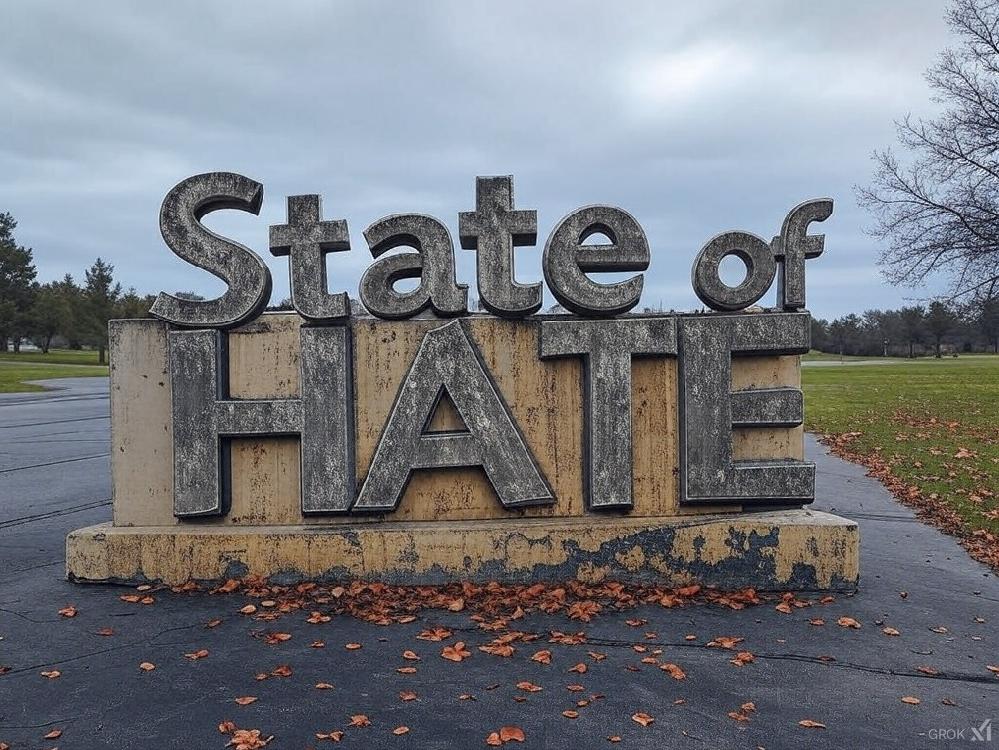
*In recent years, California has grappled with a disturbing rise in reported hate activity, compelling a response from state authorities and community leaders alike. Between 2020 and 2021, the California Department of Justice documented an almost 33 percent increase in reported hate crimes.
This unsettling trend has been corroborated by data from community organizations and advocacy groups, revealing the deep-seated issues facing marginalized communities. In light of the growing crisis, the Commission on the State of Hate was established by the Civil Rights Department to monitor, prevent, and respond to hate incidents statewide.
The Commission’s Mandate
The Commission on the State of Hate was officially launched to assist California in addressing the multitude of challenges posed by escalating hate crimes and incidents. Formed through public dialogue and driven by community needs, the Commission aims to gather data, provide recommendations, and engage with local organizations to create meaningful change.
The Commission’s inaugural Annual Report details its activities since its first meeting on December 1, 2022, through June 30, 2023, documenting its goal to provide a comprehensive assessment of the current state of hate in California.
In its brief existence, the Commission has laid the groundwork for effective operations. This includes staffing, the establishment of subcommittees, and the election of officers. The Commission also developed a strategic plan that outlines its purpose and priorities while contracting with researchers and vendors to deepen its research on hate activity.
Scroll to continue reading









Rising Hate Activity: A Statewide Crisis
The statistics surrounding hate crimes in California paint a grim picture. The state has reached a ten-year high in reported hate crimes, with substantial increases noted in the last few years.
Recent reports indicate that about 29 percent of all hate crimes reported in California were anti-Black, despite Black individuals making up only six percent of the population.
Additionally, incidents targeting the Asian American and Pacific Islander (AAPI) communities have been notably alarming, with the Stop AAPI Hate coalition documenting over 11,000 occurrences of anti-AAPI incidents from March 2020 to March 2022. Such data points provide critical insight into the nature of hate crime trends and underscore an urgent need for intervention.
The Broader National Context
Nationally, the situation is equally distressing. More than half of American adults reported experiencing online harassment, with a significant portion attributing this harassment to their sexual orientation, race, or gender identity. Among these, many have pointed to systemic issues that result in high rates of discrimination and violence against marginalized populations. For instance, advocacy organizations declared 2021 the deadliest year for anti-transgender violence in the United States, particularly impacting transgender women of color. Legislative efforts across the country have seen numerous bills targeting the rights of transgender individuals, reflecting a national climate that necessitates vigilance and advocacy.
Key Goals of the Commission
The Commission on the State of Hate has articulated a strategic plan with three major goals. These goals bind together the Commission’s efforts and steer its focus on combating hate in a measured and accountable manner.
Comprehensive Accounting of Hate Activity : The first objective emphasizes the importance of gathering accurate data to understand the full spectrum of hate activity in California. This goal depicts the role of data as foundational to developing effective interventions and informing policymakers.
Develop Recommendations to Reduce Hate Crimes : Building on the data collected from multiple sources, the Commission intends to pinpoint gaps in existing frameworks while proposing practical measures to reduce the occurrence of hate crimes across the state. This entails not only legislative proposals but also community-oriented initiatives.
Enhance Resources for Affected Communities : The third goal centers on developing recommendations that bolster support for individuals and communities affected by hate. This includes proposing programs and resources that empower marginalized communities, ensuring their safety, and providing avenues for support and healing.

Commission’s Recommendations
In its forthcoming report, the Commission provides 19 interim recommendations to combat hate, accompanied by detailed explanations of each initiative’s rationale and evidence-based support. Among the proposed policy recommendations lies a push for increased funding for community organizations focused on building resilience and reducing hate. This reflects a growing recognition of the role that grassroots organizations play in creating inclusive communities and fostering understanding and acceptance.
The Commission’s report will also spotlight the need for enhanced training for law enforcement on recognizing and addressing hate crimes effectively. By providing education and resources to officials, the Commission aims to improve reporting mechanisms and foster trust within affected communities.
Community Engagement and Outreach Efforts
One of the Commission’s key activities has been engaging in extensive outreach. It has organized and hosted six public meetings and a community forum to promote dialogue and encourage participation from diverse communities. These outreach initiatives facilitate an open exchange of ideas, allowing community members to share their experiences and propose solutions. The dedication to public involvement emphasizes the importance of collective action in combating hate and fostering interconnected communities.
Hope Amidst Challenges
Despite the grim statistics, the formation of the Commission on the State of Hate provides a glimmer of hope for advocates working against intolerance and violence in California. The Commission’s commitment to gathering evidence, listening to stakeholders, and implementing meaningful changes provides a structured approach to addressing the systemic problems surrounding hate activity.
In the face of rising hate crimes, California’s collective response through initiatives such as the Commission highlights the power of community engagement and advocacy. The formation of a dedicated body focused solely on hate indicates a proactive stance, aiming to not only respond to incidents but also to prevent them from occurring in the first place.

A Call to Action for All Californians
The findings of the Commission’s Annual Report serve as a clarion call for action, urging all Californians to engage in the fight against hate. This includes raising awareness about the pervasive nature of hate crimes, advocating for local and state policies that support diversity and inclusion, and fostering community solidarity across racial and ethnic lines. It encourages residents to participate in outreach programs, support organizations focused on social justice, and amplify marginalized voices in public forums.
Furthermore, the data collected by the Commission will help in developing targeted educational campaigns that promote empathy, understanding, and an appreciation for diversity. These campaigns can be vital in schools, workplaces, and community settings to create safe and welcoming environments for everyone, irrespective of their background.
Conclusion: The Path Forward
The Commission on the State of Hate stands as a beacon of hope for addressing the troubling trend of hate crimes in California. With well-defined strategic goals, a commitment to community engagement, and data-driven recommendations, it provides a roadmap for collective action against hatred and violence. Through the efforts of the Commission, there’s an opportunity to initiate lasting change, heal communities, and ensure that all Californians can live without fear of discrimination or violence.
As the Commission continues its work, its actions and recommendations will be critical in shaping the future of California’s response to hate crimes. With the persistence of hate in society, it is vital that all stakeholders—government agencies, community organizations, and the general public—remain vigilant and proactive in making California a place where diversity is celebrated and everyone can thrive.
The Commission’s report is required by Government Code Section 8010(k), which mandates that it produce an Annual State of Hate Commission Report to address and analyze the ongoing challenges of hate in California. Reports such as these play a crucial role in bringing visibility to pressing issues, as well as in mobilizing efforts to address them at both the local and national levels.

The rise of hate incidents in California represents an urgent challenge that demands collective action and sustained commitment. The Commission on the State of Hate has recognized this through its establishment, groundwork, and strategic planning. Addressing the root causes and manifestations of hate requires a multi-faceted approach involving community engagement, policy reform, and a steadfast commitment to amplifying the voices of those affected. As Californians navigate these turbulent times, the findings and recommendations articulated in the Commission’s report will be pivotal in the fight against hate.
This report can be located and downloaded at www.calcivilrights.ca.gov.
MORE NEWS ON EURWEB.COM: LA County Releases Annual Hate Crime Report with Highest Hate Crimes Ever Reported | VIDEO
Sign up for our FREE Daily newsletter HERE.