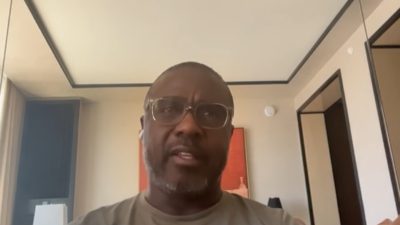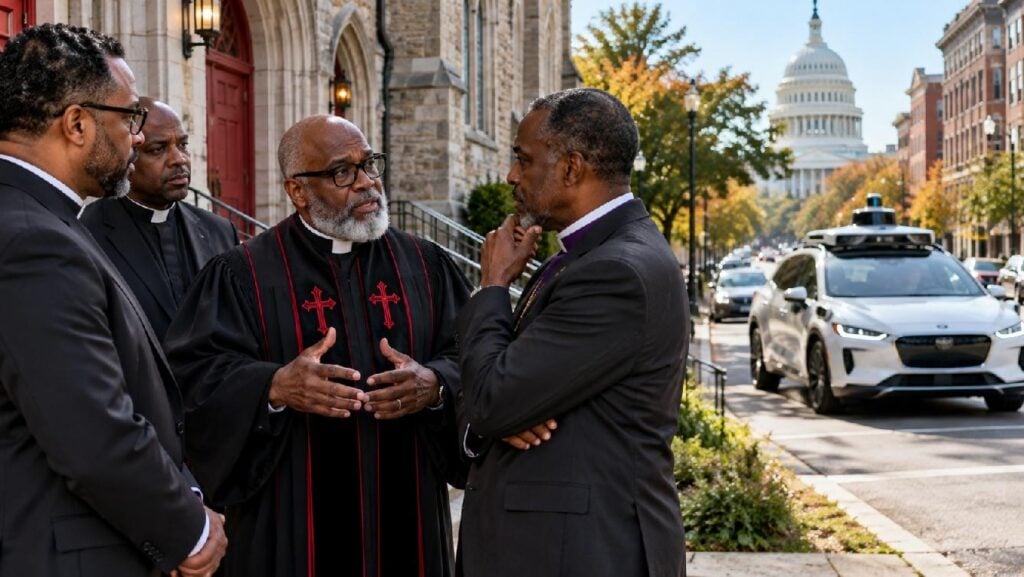
*Black Baptist pastors are taking their concerns about artificial intelligence straight to the streets, opposing legislation that could eventually put commercial driverless taxis on Washington, D.C., roads — but not every Black faith leader agrees that taking humans out of the driver’s seat is a bad thing.
The debate centers on Waymo and legislation before the D.C. Council that would establish a framework for commercial autonomous vehicles.
Council records show the Autonomous Vehicle Deployment Authorization Amendment Act of 2026 was introduced in May and referred to the Committee on Transportation and the Environment.
For some Black Baptist leaders, however, the issue extends well beyond traffic regulations.
At stake, the pastors argue, is something harder to measure than traffic efficiency: whether convenience and automation are worth the jobs, everyday human contact and sense of community that could disappear along with the driver.
Scroll to continue reading






Pastors Fear Technology Could Replace People
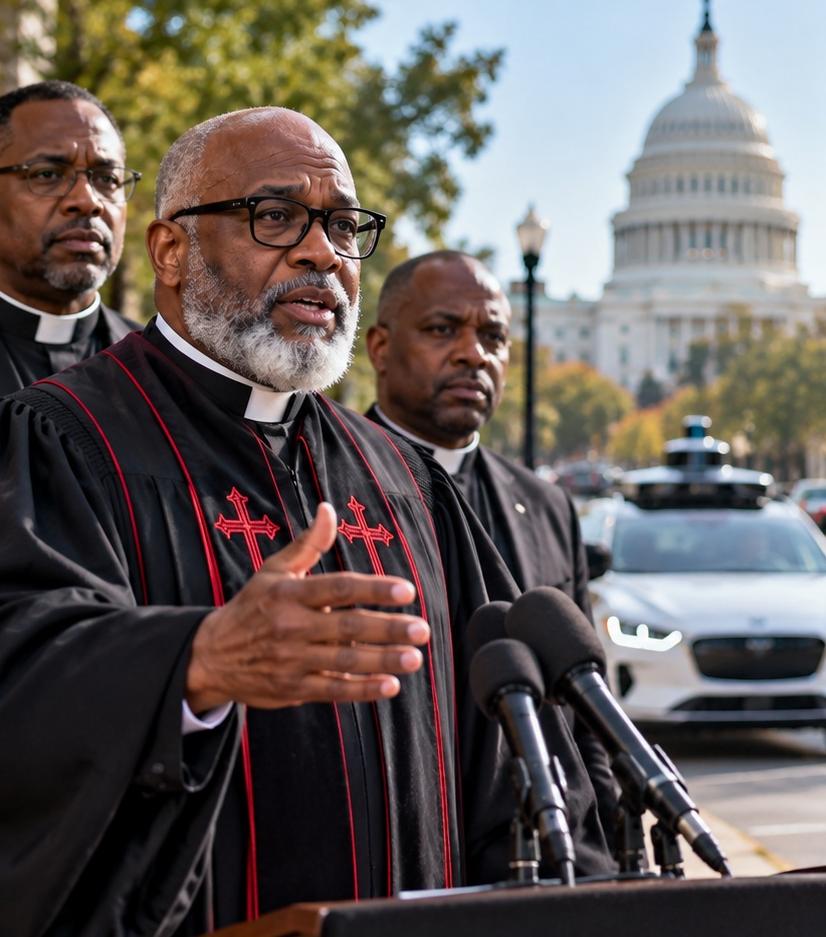
The Rev. A. Michael Charles Durant, pastor of Tenth Street Baptist Church in Washington, told The Washington Post that autonomous vehicles threaten both employment and everyday human interaction.
“God created us to be interdependent,” Durant said. “The greatest danger is not that humans will be not needed, but that we create an environment where humans don’t need each other.”
Durant has joined other local pastors and leaders associated with the National Baptist Convention in opposing autonomous vehicles.
Pastor C.H. Johnson of Christ Missionary Baptist Church in Maryland told the Post he worries Uber and Lyft drivers in his congregation could eventually lose work to automation.
“We’re not against modernization,” Johnson said, “but I think it has to be ushered in in a way that does not rob mankind of its dignity.”
Another Black Pastor Sees Opportunity
But the Black church isn’t speaking with one voice.
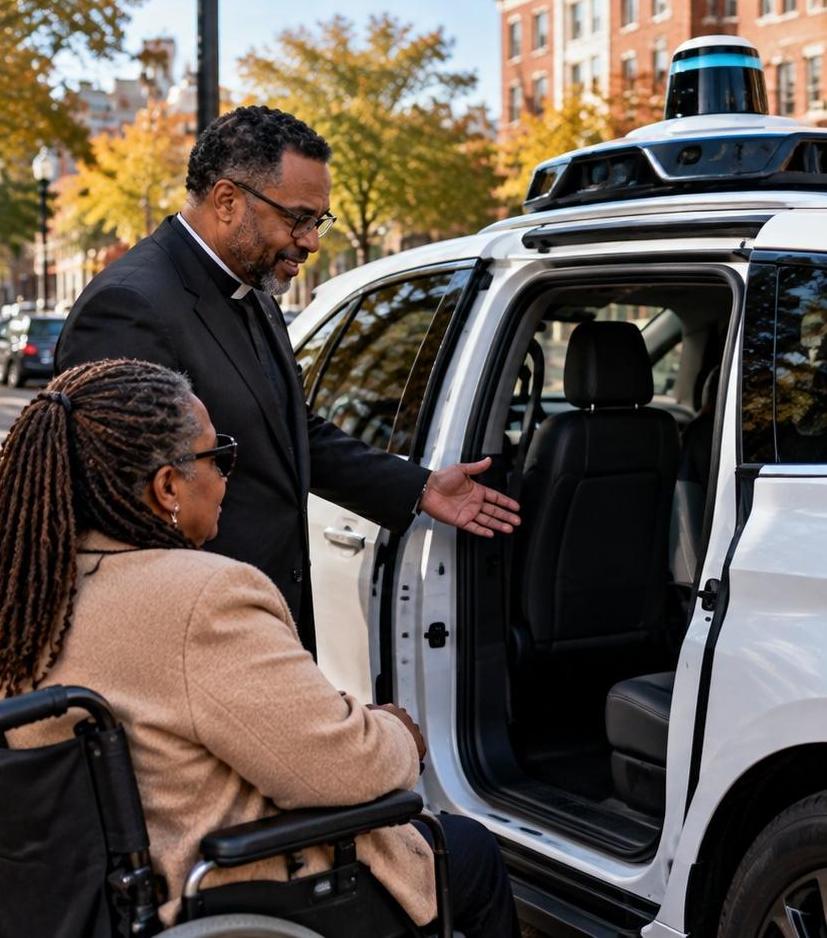
The Rev. Thomas Bowen of Shiloh Baptist Church has described being passed by taxis as a Black man in Washington and New York. At an April event cited by the Post, Bowen argued that autonomous vehicles could make transportation more equitable by removing a human driver’s ability to discriminate against passengers.
“Why should I have to put on a suit to get a taxi?” Bowen asked.
That counterargument complicates the debate: removing a human driver may eliminate one human interaction, but it could also remove some opportunities for human bias.
Waymo Points to Safety
Waymo argues that autonomous driving can improve both mobility and road safety. In its latest safety analysis, the Alphabet-owned company says its vehicles experienced 82% fewer injury-causing crashes than human-driver benchmarks across 270 million autonomous miles in five operating markets. Those figures are Waymo’s own analysis and do not represent D.C. operations.
Waymo has also said it wants to expand fully autonomous ride-hailing into Washington and has been working with policymakers on regulations necessary to operate without a human driver.
For Durant and his fellow pastors, the question is larger than whether a robot can drive safely. It’s what communities potentially gain — and lose — when another everyday human role is handed to a machine.
For Bowen, there’s another question worth confronting: What if the human being behind the wheel was part of the problem?
(If You Like/Appreciate This EURweb Story, Please SHARE it!)
RELATED NEWS ON EURWEB.COM: Waymo Self-Driving Car Drives Through Police Felony Stop Scene | Video
We Publish Breaking News 24/7. Don’t Miss Out! Sign up for our Free daily newsletter HERE.