Assata Shakur Dies in Havana After 40 Years in Exile
*Another link to Black activism in the ’60s and ’70s has passed away. Assata Shakur, a former Black Panther and member of the Black Liberation Army, died Thursday (09-25-25), in Havana, Cuba. She was 78 years old. Her death was confirmed by Cuba’s Ministry of Foreign Affairs, which cited health complications and advanced age as the cause.
Shakur, born JoAnne Deborah Byron, was one of the most controversial figures in American history—celebrated by some as a freedom fighter and condemned by others as a fugitive cop-killer. Her legacy continues to divide political, social, and cultural groups even after her passing.
From Black Panther to Most Wanted: Assata Shakur’s Life Story
Born in 1947 in Flushing, New York, Shakur joined the Black Panther Party during the late 1960s. She later became part of the Black Liberation Army, a group linked to attacks on police and government agencies. She participated in social programs and protests against police violence.
In 1973, she was involved in a traffic stop shootout on the New Jersey Turnpike. The incident left a state trooper and her comrade dead.
Scroll to continue reading





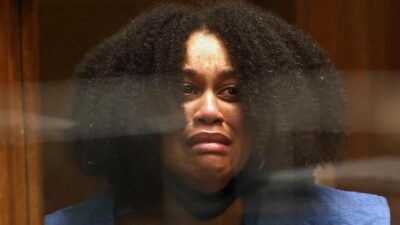
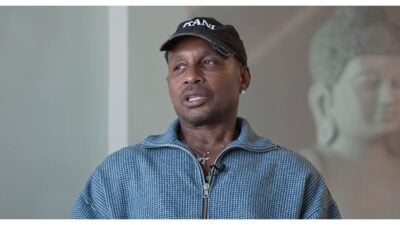


Though wounded, Shakur was arrested and later convicted of murder in 1977 by an all-white jury. She insisted she was innocent and claimed she was shot with her hands raised.

Assata Shakur’s Bold Prison Escape and Flight to Cuba
On November 2, 1979, Shakur escaped from a New Jersey prison with help from armed allies. She disappeared for several years before resurfacing in Cuba, where Fidel Castro granted her political asylum in 1984.
In Cuba, she lived a quiet life working in media and education while raising her daughter, Kakuya. Her 1988 autobiography, Assata, became a must-read in activist circles. It featured one of her most quoted lines: “It is our duty to fight for our freedom. It is our duty to win. We must love each other and support each other. We have nothing to lose but our chains.”
Ties to Tupac Shakur and Cultural Impact
Assata Shakur was the step-aunt and godmother of rapper Tupac Shakur. His mother, Afeni Shakur, was a fellow Black Panther who married Assata’s brother, Mutulu Shakur. Tupac often cited Assata as an influence on his music and activism.
Hip-hop artists like Public Enemy and Common paid tribute to her legacy in tracks such as “Rebel Without a Pause” and “A Song for Assata.” She became a cultural icon in movements against mass incarceration and racial injustice.
Reactions to Her Death: Tributes, Condemnations, and Controversy
Her daughter, Kakuya, confirmed the news in a Facebook post, writing, “Words cannot describe the depth of loss that I am feeling at this time.” No funeral details have been released. Cuba’s statement honored her as a “hero of the oppressed.”
Black Lives Matter affiliates and activist groups praised her legacy, while police unions and conservative leaders condemned her. The Chicago Teachers Union posted a tribute that sparked backlash, quoting her revolutionary message.
Law Enforcement and Political Responses to Assata Shakur’s Death
New Jersey officials expressed frustration that she died without facing justice. Governor Phil Murphy and State Police Superintendent Patrick Callahan issued a joint statement, saying: “Sadly, it appears she has passed without being held fully accountable.”
Critics on social media called her a terrorist and celebrated her death. Actor James Woods tweeted: “Millions embraced this fugitive cop killer as a folk hero.” The $2 million FBI bounty expired with her passing.
What Assata Shakur’s Death Means for U.S.-Cuba Relations
Shakur’s asylum in Cuba was long a point of conflict between the U.S. and Cuba. Her death removes a symbolic barrier, though deeper diplomatic issues remain. The U.S. is unlikely to shift policy over her alone.
In 2013, she became the first woman added to the FBI’s Most Wanted Terrorists list. Her case was frequently cited in discussions of race, justice, and political asylum during thawed U.S.-Cuba talks.
Why Assata Shakur Still Matters Today
Assata Shakur’s life story continues to inspire resistance movements around the world. Her fight against oppression has been invoked in protests, classrooms, and music alike. For many, she remains a symbol of Black resilience.
Others see her as a dangerous criminal who escaped justice. Her death is a reminder of unresolved wounds from America’s civil rights battles and the cost of revolutionary actions. Her life and legacy still raise hard questions about race, justice, and history.
Legacy of Assata Shakur: A Revolutionary or a Fugitive?
Shakur’s story challenges how we remember activists who broke the law for a cause. Is she a revolutionary hero or a violent fugitive? That question continues to fuel debate in classrooms, political arenas, and public discourse.
Her passing may also influence reviews of similar cases—like Sundiata Acoli, her co-defendant, who was paroled in 2022 at age 85. As the era of ’60s and ’70s radicalism fades, Assata Shakur’s name will not be forgotten.
MORE NEWS ON EURWEB.COM: Donald Trump Demands Cuba Return Assata Shakur to US – Black Twitter Not Havin’ it (VIDEO)
We Publish Breaking News 24/7. Don’t Miss Out! Sign up for our Free daily newsletter HERE.