*What started as a comically flawed experiment has become a showcase of AI’s rapid progress.
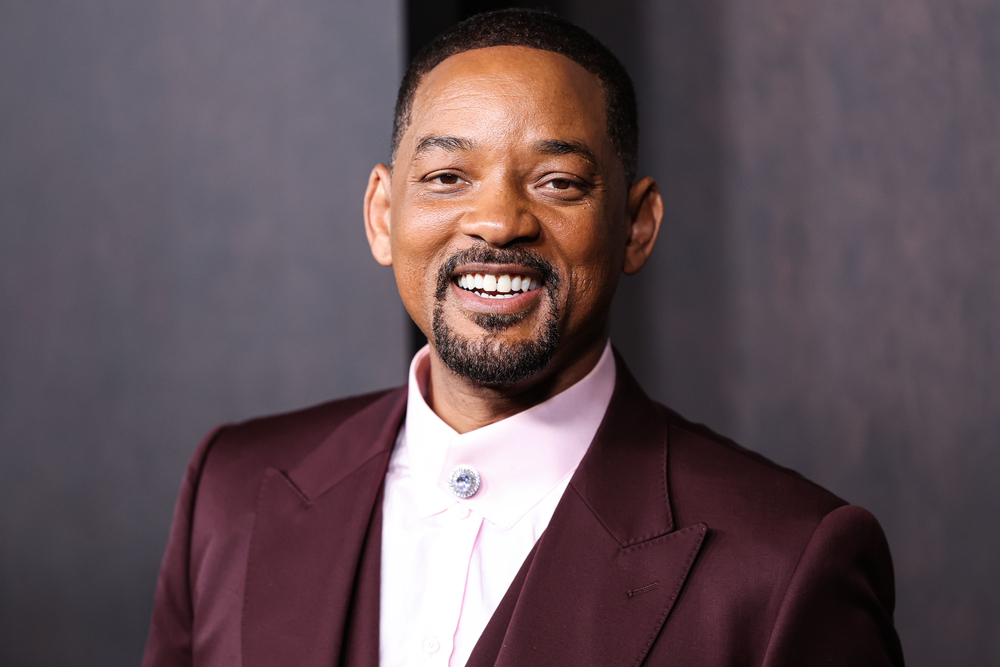
Back in 2023, a Reddit post featured a short clip created by the early ModelScope text-to-video system showing Will Smith attempting to eat spaghetti. As Business Insider reports, the outcome was bizarre and almost creepy: the actor resembled a distorted cartoon figure, the fork sometimes never reached his mouth, and anatomical oddities like extra fingers were impossible to miss. Even Smith poked fun at the viral clip in February 2024, sharing a TikTok in which he ate spaghetti in a nearly cartoonish style.
The glitches highlighted the technology’s infancy. Since then, improvements have been remarkable. Last year, China’s MiniMax model delivered a far more convincing Will Smith, even if the chewing motion remained stiff and the spaghetti briefly floated at the end. By mid-2025, a clip made with Google’s Veo 3 circulated widely on X; the visuals were largely fixed, though the audio gave the noodles an absurdly loud crunch. The newest iteration, Veo 3.1, has now produced a version that looks and moves with near-photorealistic smoothness, a far cry from the uncanny mess that started the meme just two years earlier.
@willsmith This is getting out of hand! #aivideo #sora ♬ original sound – Will Smith
Scroll to continue reading








While these advances demonstrate the potential of AI, they also underscore ethical concerns. OpenAI recently blocked users from creating videos of Martin Luther King Jr. on its Sora app after his estate objected to “disrespectful depictions.” Similar content, including Malcolm X making offensive remarks, drew backlash, with his daughter Ilyasah Shabazz calling the portrayals “deeply disrespectful and hurtful.”
Experts warn that “synthetic resurrection” of deceased public figures raises legal and moral questions. Henry Ajder explained, “With deceased individuals, this opens up such a huge question about ownership of likeness, and really fundamentally changes the social contract around what it means to be you online.”
Will Smith in Veo 3.1 pic.twitter.com/SuK9jky3NW
— ⚡AI Search⚡ (@aisearchio) October 15, 2025
OpenAI now allows representatives of recently deceased figures to request the removal of their likenesses, reflecting the tension between innovation and responsibility.
The journey from a crude spaghetti video to hyper-realistic AI creations illustrates the rapid advancement of the technology. At the same time, it highlights the challenges of balancing creative possibilities with ethical considerations, particularly when the digital recreation of real people is involved.
MORE NEWS ON EURWEB.COM: OpenAI Restricts AI Videos of Martin Luther King Jr. After Estate Complaint
Sign up for our Free daily newsletter HERE.