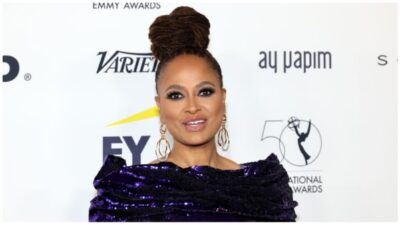
‘African Beauty’ Is the Next Big Skincare Movement
*African beauty, often called “A-Beauty,” is changing the face of global skincare. It combines natural, time-tested ingredients with modern science. Inspired by African traditions, A-Beauty celebrates all skin tones, hair textures, and cultural expressions.
Much like K-Beauty (Korean) and J-Beauty (Japanese), A-Beauty focuses on ethical, plant-based skincare. It uses botanical ingredients such as shea butter, baobab oil, and moringa. These natural actives are now found in creams, serums, oils, and makeup products worldwide.
Global Brands and Retailers Are Embracing African Beauty
By late 2025, retailers like Sephora, Ulta, Goop, Space NK, and Amazon will be carrying African beauty brands. This reflects growing global demand for clean, ethical, and inclusive skincare solutions.
Social media is also pushing A-Beauty into the spotlight. On platforms like Instagram and X (formerly Twitter), influencers highlight natural hair, anti-bleaching movements, and traditional styles such as Bantu knots and Ankara-inspired makeup.
Scroll to continue reading

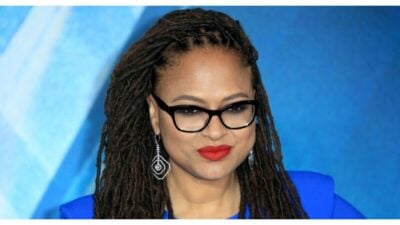







One viral quote summed it up: “African beauty is not a trend—it’s legacy.” — @hey_thoko
African Beauty Market Growth Shows Massive Potential
The African beauty and personal care (BPC) industry is booming. In 2024, it reached $66 billion, driven by urbanization, a rising middle class, and a young, digital-savvy population, according to Service95.
By 2030, more than 900 million African consumers under 30 will shape the future of skincare. Sub-Saharan Africa’s beauty sector alone is expected to grow by $5 billion between 2021 and 2026.
Globally, the market for Africa-sourced moringa is forecasted to reach $25.1 billion by 2035, up from $9.7 billion in 2024. Clearly, African beauty is big business.
Key Ingredients Making African Beauty Stand Out
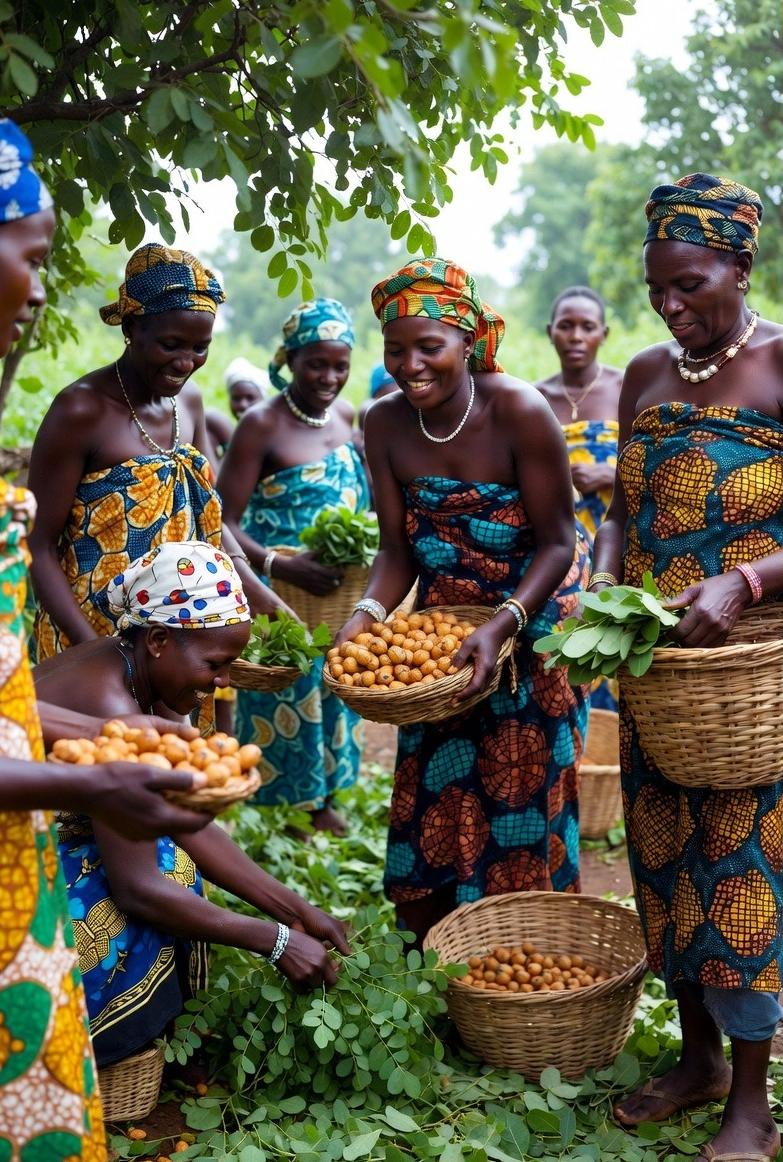
African botanicals are effective, sustainable, and rich in antioxidants. These ingredients are often sourced from women-led cooperatives across the continent.
- Shea Butter and Black Castor Oil: Used for moisture and scalp care, especially in textured hair.
- Baobab Seed Oil and Moringa: Known for anti-aging and anti-inflammatory benefits.
- Safou, Qasil, and Kalahari Melon: Emerging in serums and cleansers to promote glow and hydration.
Modern A-Beauty brands are now using tech tools like AI skin analysis and 3D printing to create personalized formulas for melanated skin.
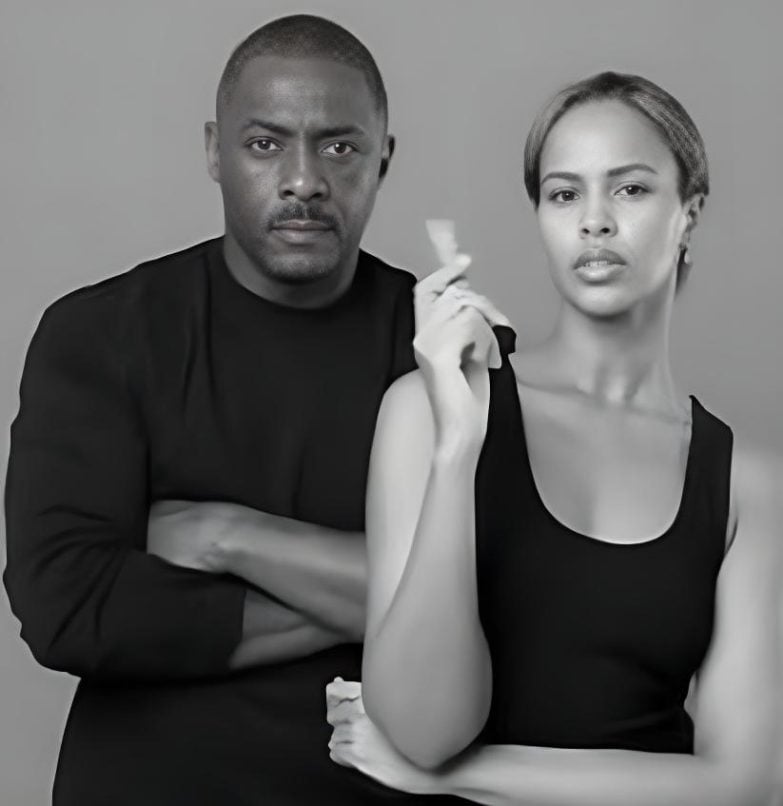
S’Able Labs: A-Beauty Innovation From Sabrina and Idris Elba
In 2022, Sabrina Dhowre Elba and her husband, actor Idris Elba, launched S’Able Labs. The brand was born of a desire to create high-performance skincare products using African ingredients and modern science.
Their hero ingredients include moringa from Kenya, marula from Namibia, and prickly pear from Madagascar. These plant-based actives help calm inflammation, repair skin, and lock in hydration.
The brand’s top products include the Black Seed Toner, known for brightening and soothing the skin, and the Moringa Lip Salve, which reduces hyperpigmentation. In October 2025, they launched a tinted version, marking their first step into color cosmetics.
“Africa has the best antioxidants,” Sabrina told Vogue. “A lot of these ingredients I recognised from my childhood, growing up first-generation African.”
She added, “Where A-Beauty is so well placed is in taking [traditional ingredients] to another level. I want to see oat amino acids combined with kaolin clay, or black seed oil with vitamin C and ferulic acid.”
More African Brands Making Global Waves
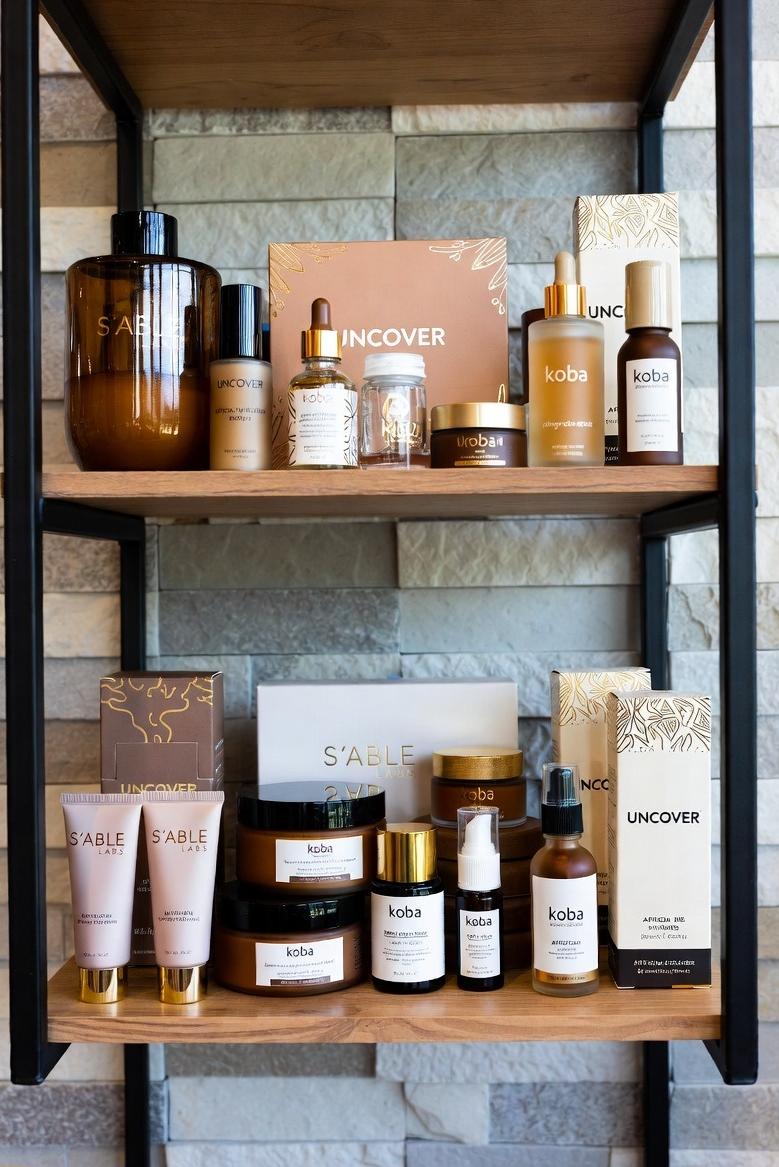
Other standout brands include RandR Skincare, founded in Nigeria by Valerie Obaze. The company recently celebrated 15 years in business. It reimagined solid shea butter into a liquid format that’s easier to apply and looks more modern.
Koba Skincare, launched by Aïcha Bongo, uses safou fruit for skin-brightening. Uncover (Kenya) offers science-backed skincare for melanin-rich skin. West African brands like House of Tara and Amila Naturals focus on shade inclusivity and ethical sourcing.
African Beauty in the Media and Online
Influencers like Dimma Umeh and Enioluwa Adeoluwa are helping #ABeauty trend globally. Their content promotes natural skincare, cultural rituals, and body positivity.
At the same time, colorism and skin bleaching are being challenged openly. Many influencers now advocate for self-love and pride in African features.
Events like Barola Paris in December 2025 aim to connect African beauty founders with global investors and press. This growing exposure helps African brands scale beyond borders.
Why African Beauty Matters for the Future
African beauty isn’t just about products. It’s about culture, innovation, and empowerment. Brands like Nilotiqa remind customers that beauty doesn’t have to fit one mold.
“We are enough, as we are, naturally.” — Nilotiqa
With tech tools like AR try-ons and personalized skin matching, A-Beauty is redefining what inclusive beauty looks like. Experts estimate the category could surpass $100 billion if current growth continues.
Whether you’re a skincare enthusiast or simply looking for clean, ethical beauty, African beauty offers powerful ingredients, rich stories, and results that speak for themselves.
(If You Like/Appreciate This EURweb Story, Please SHARE it!)
MORE NEWS ON EURWEB.COM: Donald Denies Diddy – Trump Says, ‘No Means No’ While Snuffing Sean Combs’ Pardon Request | VIDEO
We Publish Breaking News 24/7. Don’t Miss Out! Sign up for our Free daily newsletter HERE.