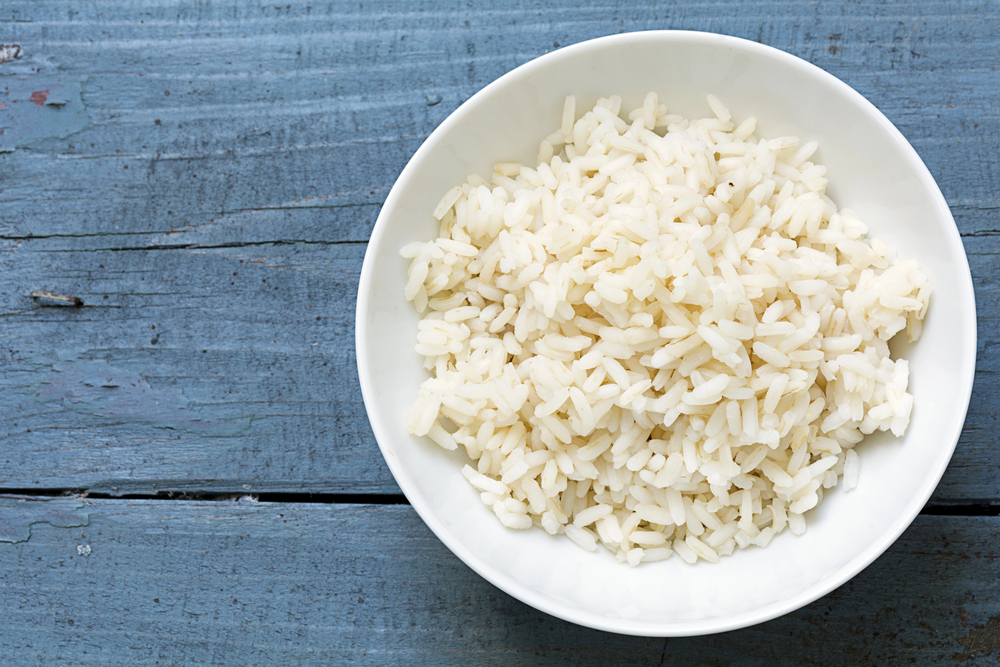
*Leftover rice, if mishandled, can become a breeding ground for harmful bacteria.
As CNET reports, uncooked rice contains Bacillus cereus spores, which survive cooking and thrive when rice cools in the “danger zone” of 40°F to 140°F. This can lead to “fried rice syndrome,” a food poisoning condition causing vomiting and diarrhea.
The Cleveland Clinic reports roughly 63,400 cases of Bacillus cereus-related illnesses annually in the US, with some severe enough to require emergency care. The UK’s National Health Service recommends cooling rice to room temperature (about 70°F) “ideally within one hour” after cooking to halt bacterial growth. Divide large batches into smaller containers before refrigerating to avoid raising the fridge’s temperature, which could affect other foods.
Proper storage is critical to keeping rice safe. According to the USDA, cooked rice can be stored for four to six days, while the NHS advises no more than one day for optimal safety.
When reheating rice, ensure it reaches an internal temperature of 165°F or higher, as Food Network suggests, to kill any bacteria that may have multiplied. The NHS recommends reheating rice only once, though Food Network permits multiple reheats within three to four days if stored properly. Rice left out for more than two hours at room temperature or one hour above 90°F should be discarded to avoid risk.
Scroll to continue reading









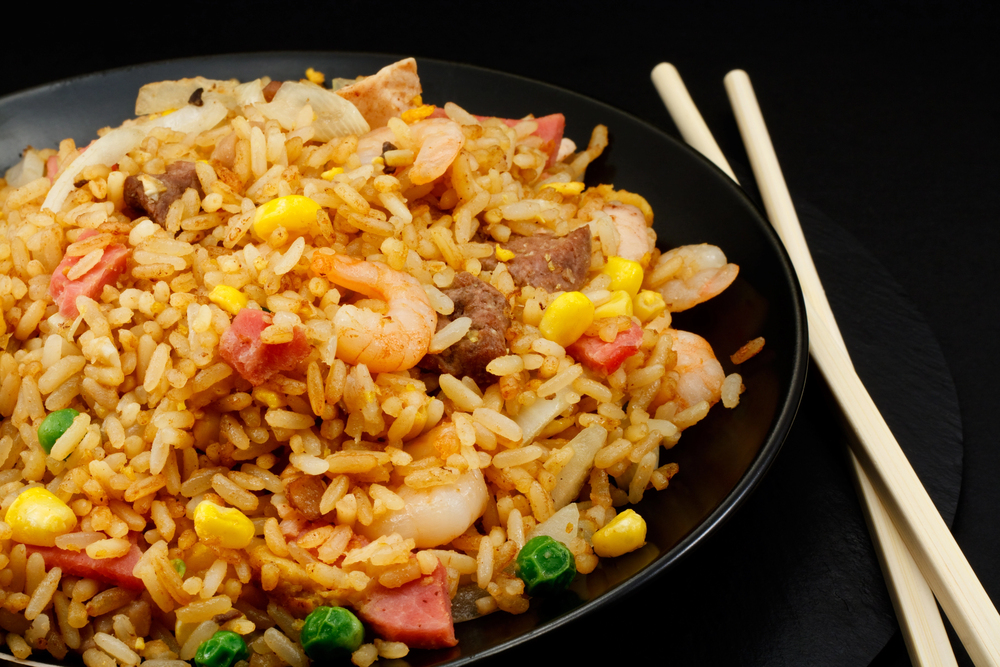
“Fried rice syndrome” earned its name from early cases tied to contaminated rice dishes, particularly fried rice made with leftovers. Cooking only what you plan to eat immediately reduces both food waste and health risks.
The dangers of Bacillus cereus extend beyond rice to other starchy foods like pasta, making vigilance essential. We previously reported about an unnamed man in New England who made headlines after suffering organ failure and undergoing multiple amputations from eating a leftover lo mein noodle meal.
The curious case of the 19-year-old (identified only as JC) was documented in the New England Journal of Medicine in March 2021 and went viral recently on the YouTube channel Chubbyemu, which created a fictional portrayal of the incident, narrated by a licensed medical provider called Dr. Bernard. Watch the clip below.
Social media anecdotes highlight the real-world impact of improper storage, urging home cooks to prioritize food safety. By following these storage and reheating guidelines, you can enjoy rice safely without falling victim to food poisoning.
MORE NEWS ON EURWEB.COM: Calorie and Carb-Cutting Hack for Starchy Foods Without Reducing Portions | Video