*There was a moment in a recent Senate hearing that became a Rorschach test for American anxiety. During a Senate Foreign Relations Committee hearing, Sen. Chris Murphy (D-CT) questioned Jeremy Carl, President Trump’s nominee for Assistant Secretary of State for International Organizations, about his past writings on “white identity” and the supposed “erasure of white culture.”
The question was simple: What is white identity? And what values make it distinct from Black identity? What followed was not an answer, but a “slide show,” so to speak. A verbal dodging that spoke volumes about the instability of identity rooted in power rather than culture.
The Exchange That Went Viral
The exchange, which has since circulated widely, shows Carl—a senior fellow at the Claremont Institute and author of the 2024 book “The Unprotected Class: How Anti-White Racism Is Tearing America Apart”—struggling to articulate his views.
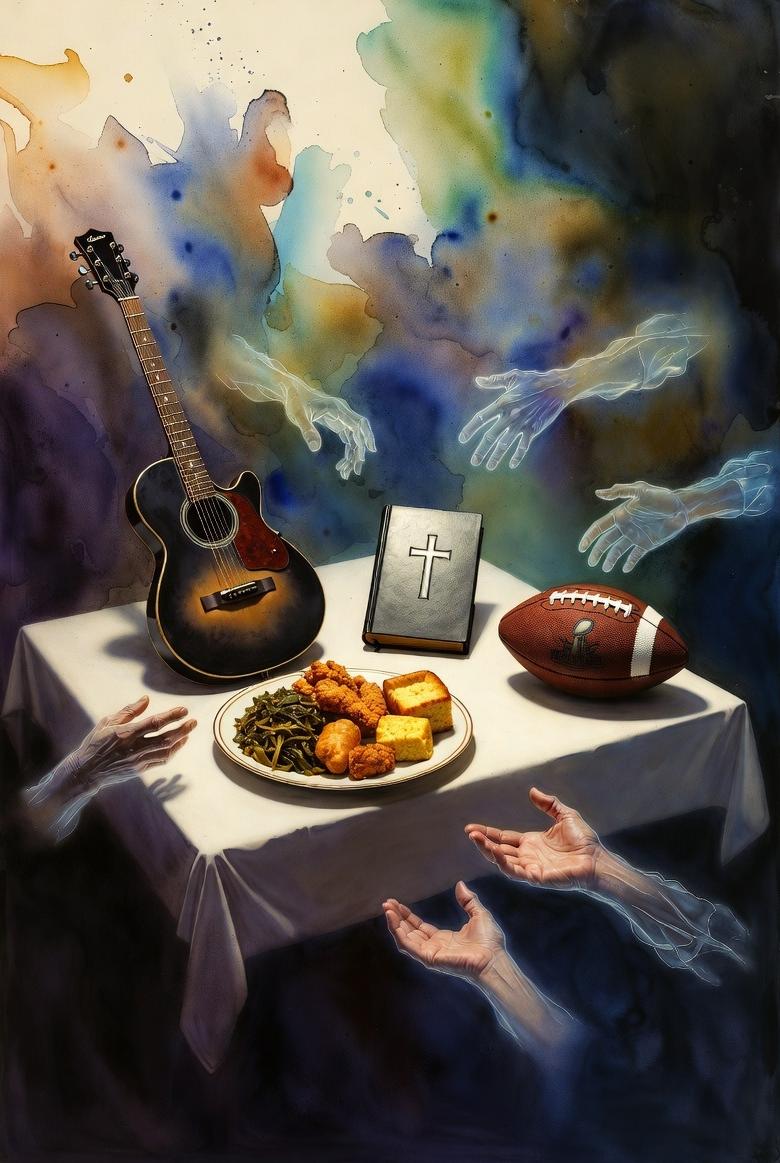
Murphy pressed: “Tell me how you define white identity and what you think is being erased.” Carl cited “certain types of Anglo-derived culture,” then pivoted to Scotch-Irish military tradition, then Italian and Irish ethnic identities. When Murphy noted he was retreating to ethnicity rather than defining whiteness, Carl offered church tone, foodways, and music—including the complaint that the Super Bowl halftime show was “not in English this year.”
The conversation slipped further into anxieties about immigration “balkanizing” American culture. Murphy observed what became clear: Carl was struggling because “underlying your beliefs is a sentiment that white culture is just simply better.”
Scroll to continue reading









The Analyst’s Perspective
Dr. Michael H. Forde, a Gates Millennium Scholar and Doctor of Public Health who is an alumnus of George Washington University’s Milken Institute School of Public Health, has offered a compelling breakdown of what this exchange reveals. His analysis cuts to the heart of why Carl’s answers felt so slippery.
Forde points out that the question wasn’t a trap; it was an invitation to define a heritage. But instead of civic ideals or constitutional principles, the response was a collection of cultural artifacts. This reveals the first, most critical instability: if the core of an identity is a list of consumables—music, food, a certain “tone”—then it is inherently fragile. Culture is a river, not a reservoir. A soul food restaurant can be run by a white chef. A blues band can be fronted by a Korean American singer. If your identity relies solely on ownership of these things, it will always feel threatened.
Survival vs. Power
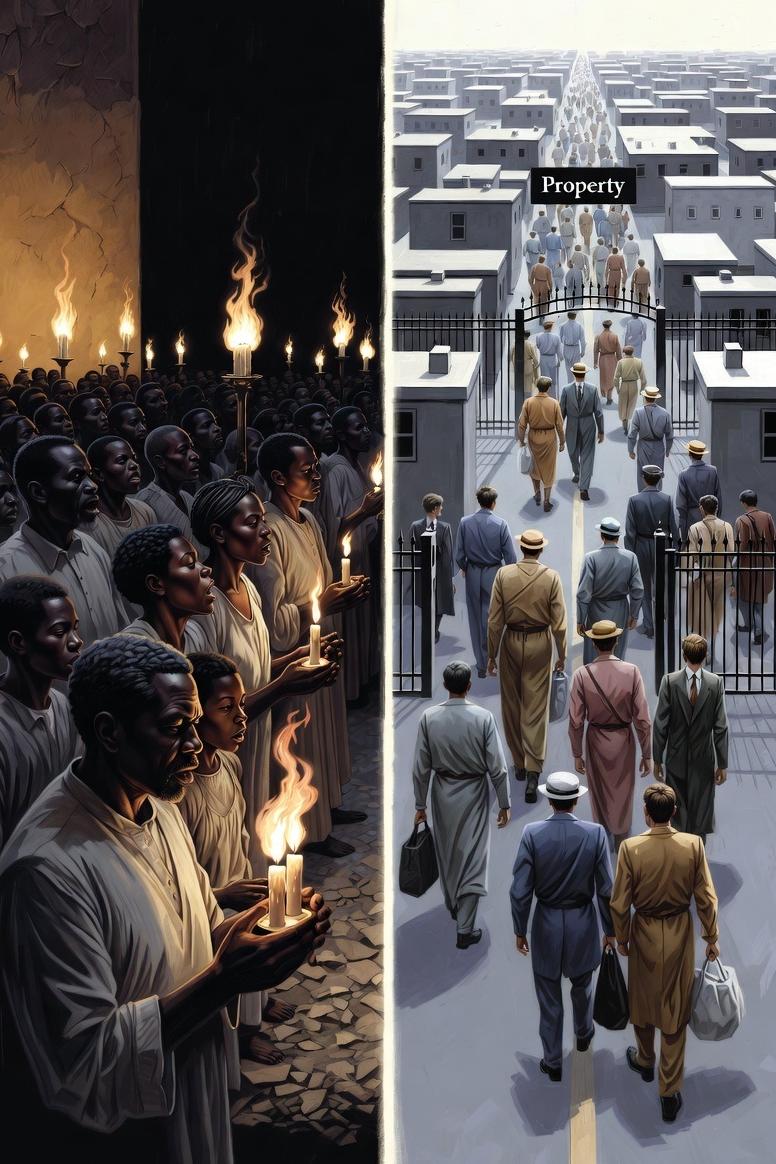
Forde’s analysis draws a crucial distinction between identities rooted in survival and those rooted in power. Black American identity was forged in the crucible of exclusion—under enslavement, structural barriers, and violence. The Black church, spirituals, and literature were not cultural preferences; they were acts of survival and resistance. They had to be built deliberately because everything else was taken away.
Whiteness in America functioned differently. As Forde notes, Irish and Italian immigrants were not always considered white, but gradually gained entry into a coalition defined by shared access to power, property, and safety. This is an identity rooted in position, not shared culture.
The Source of Anxiety
Carl’s writings and testimony reflect deep demographic anxiety. He has claimed that “anti-white discrimination is the most pervasive and politically salient form of racism today” and has expressed concerns about mass immigration weakening “majority common American culture.” During the hearing, Sen. Cory Booker pressed Carl on whether he believed in the “Great Replacement theory”—a white nationalist conspiracy theory. Carl replied that “the Democratic Party through its policies has certainly shown signs of that.”
Booker’s response was pointed: “You think this country’s greatness depends upon its ethnic diversity as long as white people have more numbers. That does not sound like a nation with the belief that all people are created equal.”
A Path Forward
Dr. Forde’s analysis concludes with an important observation: if an identity cannot be defined without comparison—if it feels threatened by diversity—it is positional, not cultural. True heritage does not require hierarchy to survive.
The fear of being “replaced” is a misdiagnosis. What is actually being asked of white identity in a diverse America is not that it disappear, but that it stops being the invisible baseline. It is being asked to see itself as one culture among many, to define itself by its positive contributions rather than its dominant position.
Healing starts with knowing and acknowledging the difference between identities forged in survival and identities defined by power. It requires the difficult, introspective work of asking: What are we, beyond the comparison? And can we learn to share the stage, not as a concession, but as a recognition that a chorus of many voices creates a richer, more honest song than any single voice, no matter how long it has been the only one we could hear?
(If You Like/Appreciate This EURweb Story, Please SHARE it!)
MORE NEWS ON EURWEB.COM: The Life of Jesse Louis Jackson, Sr.: An American Icon (1941-2026)
We Publish Breaking News 24/7. Don’t Miss Out! Sign up for our Free daily newsletter HERE