TikTok’s $14B US sale puts Oracle and allies in charge
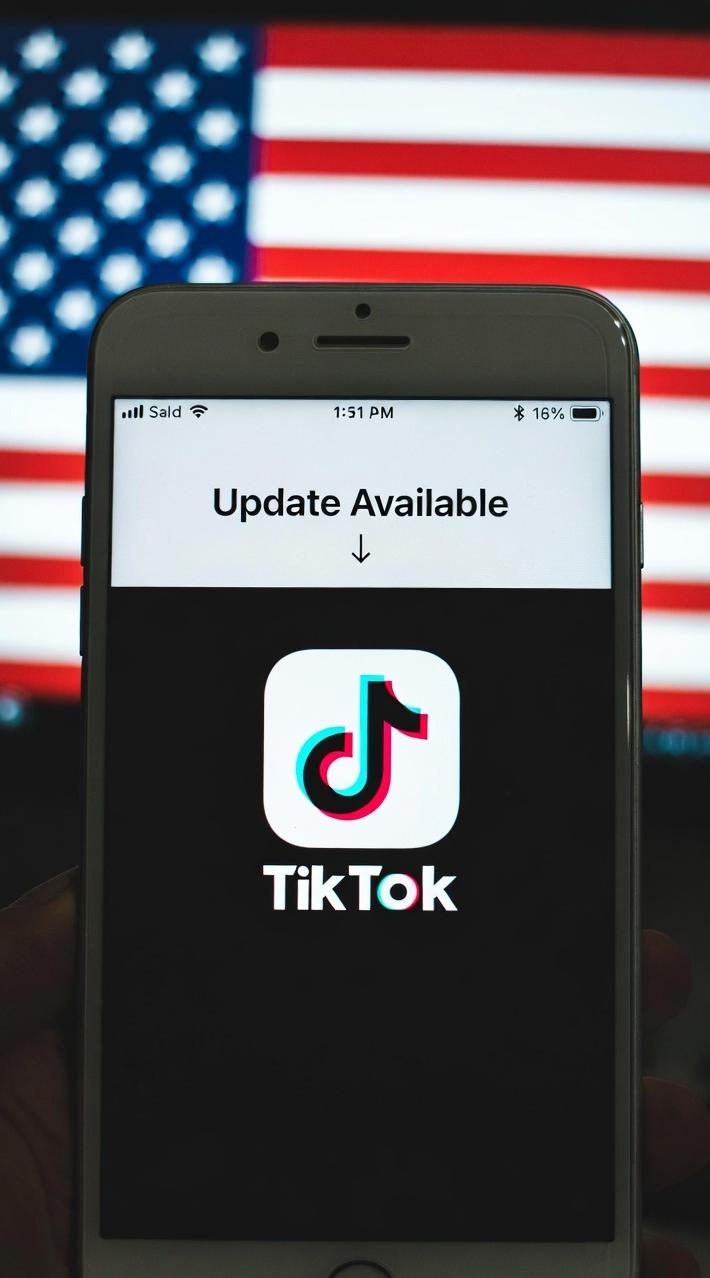
*In January 2026, TikTok officially sold its U.S. operations to a new company: TikTok USDS Joint Venture LLC. Backed by Oracle, Silver Lake, and MGX, the group holds a controlling stake, while ByteDance now owns less than 20%. The deal, worth about $14 billion, was made to address national security concerns and avoid a full ban of the popular app.
This new ownership shifts TikTok’s U.S. governance, data storage, and moderation under American oversight. It’s a major pivot with uncertain impacts, especially as users and creators begin seeing subtle changes in their feeds, policies, and algorithm behavior.
Users won’t need a new app—but changes are coming
The TikTok app itself isn’t going anywhere. You don’t need to download anything new—the current version will simply update to reflect the ownership transition. TikTok promises to keep the “global experience” intact, meaning international content will still appear—but maybe less often.
Some reports suggest the app may begin filtering out certain international posts, especially those flagged under the new U.S.-led trust and safety guidelines. As the algorithm retrains based on U.S.-stored data, users may notice fewer controversial or geopolitical posts in their “For You” feed.
Scroll to continue reading







Algorithm retrained to reflect U.S. data and values
The core TikTok algorithm is now being retrained using only U.S. user data housed on Oracle’s servers. The goal is to remove foreign influence—but that shift could result in a more “Americanized” content experience. Users may see changes in trending topics, particularly around politics or social issues.
Early signs show reduced engagement for creators posting about sensitive topics like Palestine, genocide, or systemic injustice. Critics say this could result in shadowbanning or biased reach for marginalized voices. However, supporters argue it strengthens protections against propaganda or misinformation.
New privacy rules under American tech control
Oracle will now oversee all U.S. user data, ensuring tighter security and compliance with American privacy standards. While personal messages and ethnic data policies remain largely unchanged, users now have the option to allow more precise geolocation tracking and AI-generated data profiling.
This shift worries some digital rights advocates, who fear it could open the door to increased surveillance or censorship. Others see it as a safer structure, shielding U.S. users from foreign government data access or manipulation.
Moderation may tilt toward conservative oversight
With Oracle’s leadership—and founder Larry Ellison’s known ties to the Trump administration—some users fear moderation could lean more conservative. The new team has pledged “robust trust and safety policies,” but what that means in practice is still evolving.
Advocates warn that voices in activist spaces or those critical of U.S. policy may be disproportionately affected. On the other hand, the changes could mean stronger crackdowns on hate speech, misinformation, or election interference—issues TikTok has faced heavy scrutiny over in recent years.

Creators already noticing shifts in engagement and earnings
Early feedback from creators points to a drop in views, reach, and payouts—especially for content in political, global, or activist categories. While TikTok promises continuity for global discovery, algorithm changes may quietly deprioritize niche or controversial content in favor of safe, viral trends.
Creators aligned with social justice causes have reported shadowbans or removed posts, prompting some to migrate to platforms like FanBase or YouTube Shorts. Meanwhile, those focused on entertainment, lifestyle, or commerce may see fewer disruptions under the new moderation strategy.
Monetization tools may grow—but with more rules
Despite the uncertainty, features like TikTok Shop are expected to expand. U.S. sales via TikTok Shop could reach $23 billion by the end of 2026, thanks to increased focus on influencer marketing and e-commerce.
But creators worry new ownership may introduce tighter restrictions, new fee structures, or changes in payout formulas. If conservative moderation narrows what content gets pushed, many creators could lose revenue tied to reach, views, or product partnerships.
Content tone shifting: less chaos, more regulation
Many creators are bracing for a shift in the platform’s vibe—moving from its previously “wild,” anything-goes style toward a more polished, regulated space. Industry watchers are already comparing this shift to the changes seen at X (formerly Twitter) under Elon Musk or Instagram under Meta’s tighter ad models.
Marketing experts expect creators to pivot toward content with emotional resonance, strong authenticity, and brand-safe appeal. As one analyst put it, “2026 will reward emotional ROI—less edge, more relatability.”
Is this TikTok’s next chapter—or its slow transformation?
For users and creators, the TikTok US sale marks a new era. Supporters frame the move as a win for national security and platform longevity. Critics see it as the beginning of increased censorship, algorithmic bias, and loss of the app’s original energy.
Whether these fears play out remains to be seen. For now, TikTok stays live in the U.S.—but what it looks and feels like could keep evolving, post-sale.
(If You Like/Appreciate This EURweb Story, Please SHARE it!)
MORE NEWS ON EURWEB.COM: Pray the Power Doesn’t Go Out – 12 Cities Expected to be Hardest Hit by Winter Storm Fern | VIDEO
We Publish Breaking News 24/7. Don’t Miss Out! Sign up for our Free daily newsletter HERE.