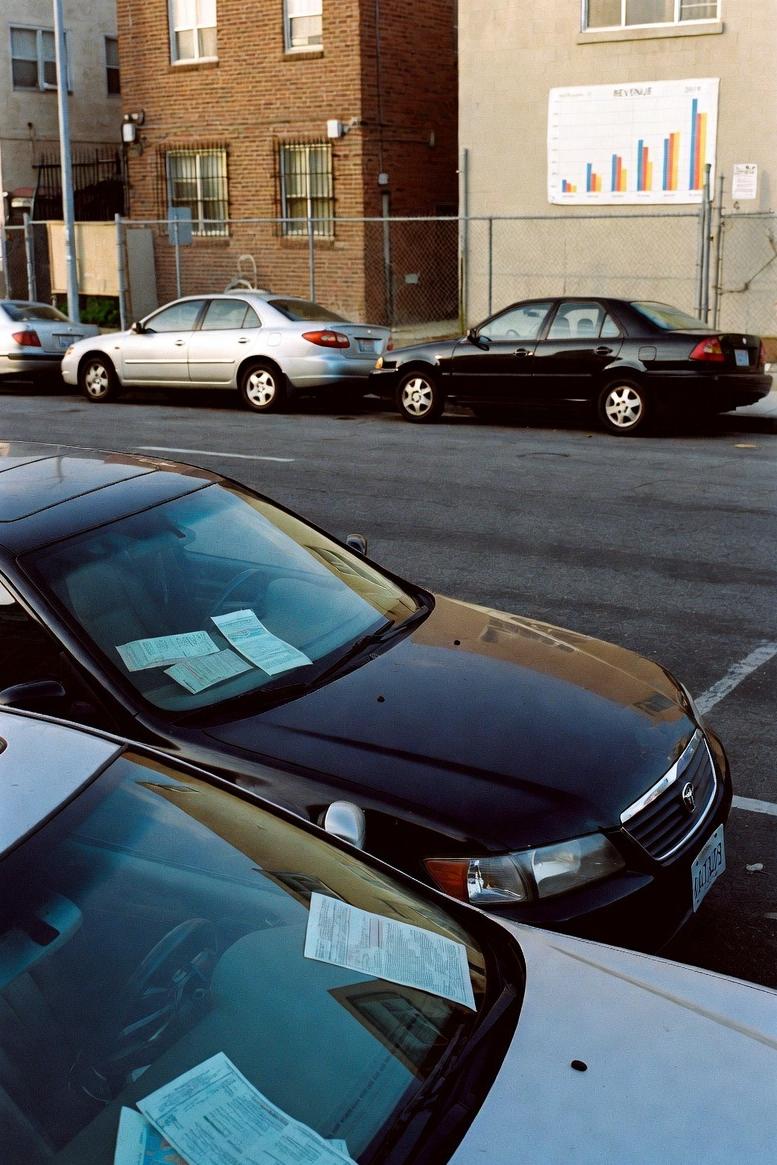
*We can add yet another term to the never-ending pantheon of the targeting of Blacks and Hispanics in South Los Angeles—and elsewhere. That is parking ticket bias. When you think of racial disparities on the road, it’s almost always the gaping racial disparities in moving violation citations.
Black and Hispanic motorists are far more likely to get ticketed as a result of-racial profiling and the battalions of police that typically flood low income Black and Hispanic neighborhoods. That’s certainly the case in South L.A.
However, little attention has been paid to who and how many people in those same communities are cited for a parking violation. The huge disparity came to my attention from residents in an area near Watts in South Los Angeles. A number of residents bitterly complained to city officials that they were being slapped with piles of parking tickets and it was costing them plenty.
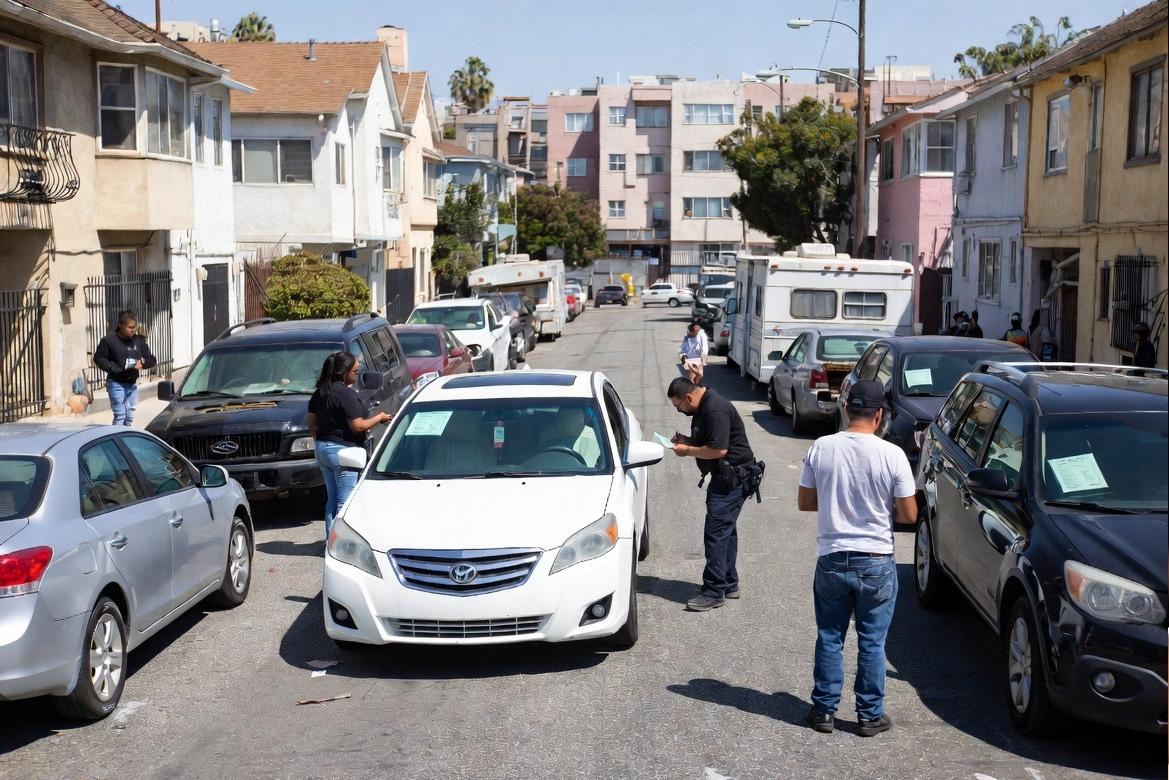
The twist was that they were not complaining about the fairness or unfairness of the ticketing. They were complaining that a string of junk, and abandoned cars, and homeless encampment vehicles along several blocks in their neighborhood were not cited. It was a matter of selective enforcement. Or more bluntly racial targeting in parking ticketing that embittered the residents.
Scroll to continue reading









This was not a shift the blame complaint to absolve them of their alleged violation of parking regulations. In September 2024, Science Direct published comprehensive study that examined the issue of parking ticket citations. The study was “Neighborhood inequality in government fines: The case of parking tickets in 16 U.S. cities.” It confirmed what Blacks and Hispanics in the South L.A. neighborhoods had long complained of. They were more likely to be cited than residents in middle income, mostly white, neighborhoods.
Los Angeles was one of the sixteen cities the researchers studied parking ticket enforcement. In a ten-year period from 2005 to 2015, it found that parking ticket fines counted for an outsized percentage of the funding of the city’s budget.
It further found that over ticketing in low income Black and Hispanic neighborhoods was no accident. It was a deliberate policy by city officials to bump up parking ticket enforcement specifically to cover real or anticipated budget shortfalls. It called the subtle, but deliberate policy, a type of latent taxation to be used to generate revenue. It also found that the cost of traffic tickets continued to soar each year. This further hit hard at the pocketbooks of those who could least afford the ever-increased exorbitant fines.
That alone would not have been cause for a loud outcry from many Blacks and Hispanics that were routinely being hit with the ticketing and having to shell out lots of dollars in fines. It was the embedded bias in the ticketing. The study found overwhelming evidence that in Los Angeles and the fifteen other major cities surveyed, the pattern was the same. Blacks and Hispanics were getting ticketed at a disproportionate rate. Other researchers confirmed that the pattern of traffic ticket racial bias had not abated in subsequent years,
There’s more. The over ticketing in the South Los Angeles neighborhood where the residents complained was not by happenstance. There is a battery of factors that make it possible for city officials to legally get away with the ticket disparity. They include parking infrastructure, laws, regulations, and enforcement that disadvantage some neighborhoods over others, whether intentional or not.
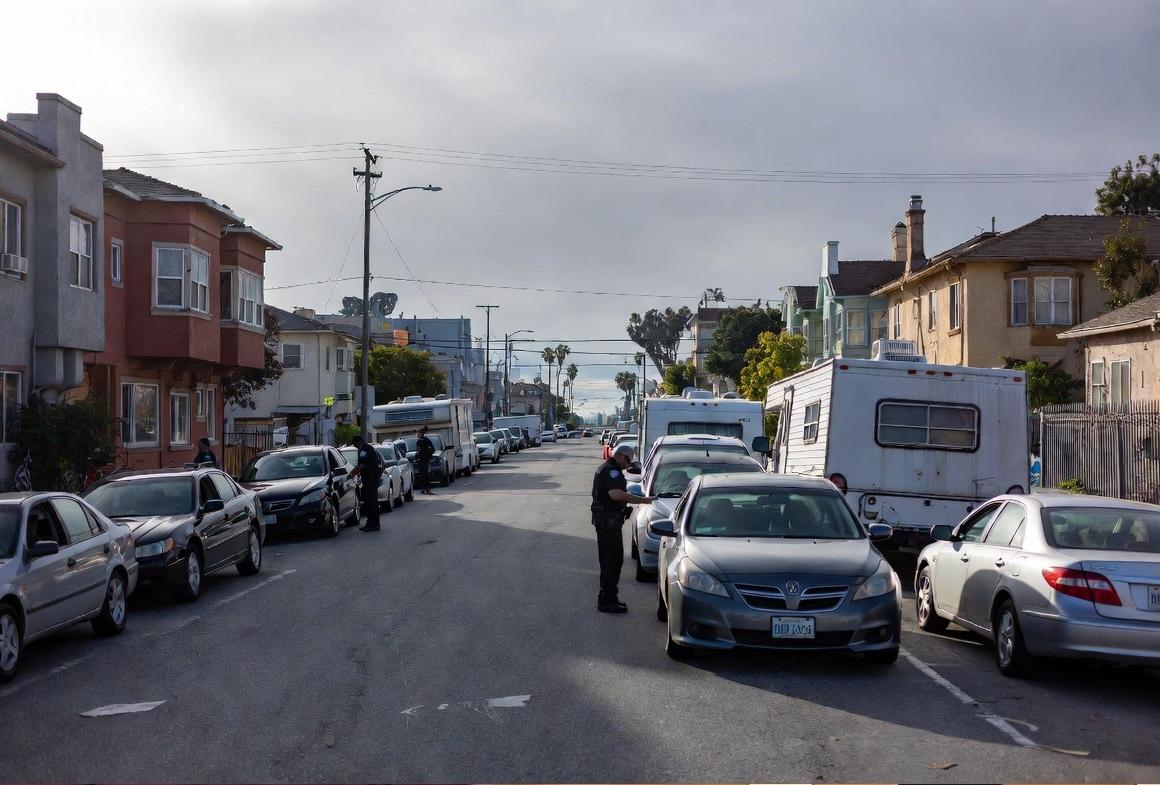
The problem is further compounded by limited parking supply, confusing parking laws and regulations, targeted enforcement, and greater levels of surveillance. That was the case on the three blocks that I examined where the residents complained about the over ticketing of their vehicles while ignoring other vehicles such as the homeless dwelling trailers and campers.
The selective traffic ticketing enforcement in the area also inadvertently created yet another headache for the residents. The three-block stretch drew a steadily increasing number of campers. This provided a dumping ground for junk and abandoned cars. It also added to the garbage pile-up and dumping in the area. That created the usual safety, health, and environmental hazards posed by illegal garbage dumping.
The over ticketing at the expense of Blacks and Hispanics presents two glaring problems. One, it provides lots of ill-gotten dollars for the city’s coffers from residents who can pay rather than the homeless who cant.’
Two, the costly parking fines further impoverish many residents who can ill afford the high fines. The Science Direct study was blunt, “Studies examining the relationship between parking citations and neighborhood characteristics have found evidence of racially and socioeconomically disparate impacts of municipal ticketing and the regressivity of monetary sanctions, with nonwhite and lower income neighborhoods carrying the greater burden of citations.”
Now the question that residents ask L.A. city officials is simple. What are you going to do about it?
Earl Ofari Hutchinson is an author and political analyst. His forthcoming book is Trump’s Obama Obsession (Amazon ebook and Middle Passage Press). He hosts the weekly news and issues commentary radio show The Hutchinson Report Wednesdays 6 PM PST 9 PM EST at ktymgospel.net
(If You Like/Appreciate This EURweb Story, Please SHARE it!)
MORE NEWS ON EURWEB.COM: Shawna Thomas Joins MS NOW as Political Director After ‘CBS Mornings’ Exit
We Publish Breaking News 24/7. Don’t Miss Out! Sign up for our Free daily newsletter HERE.