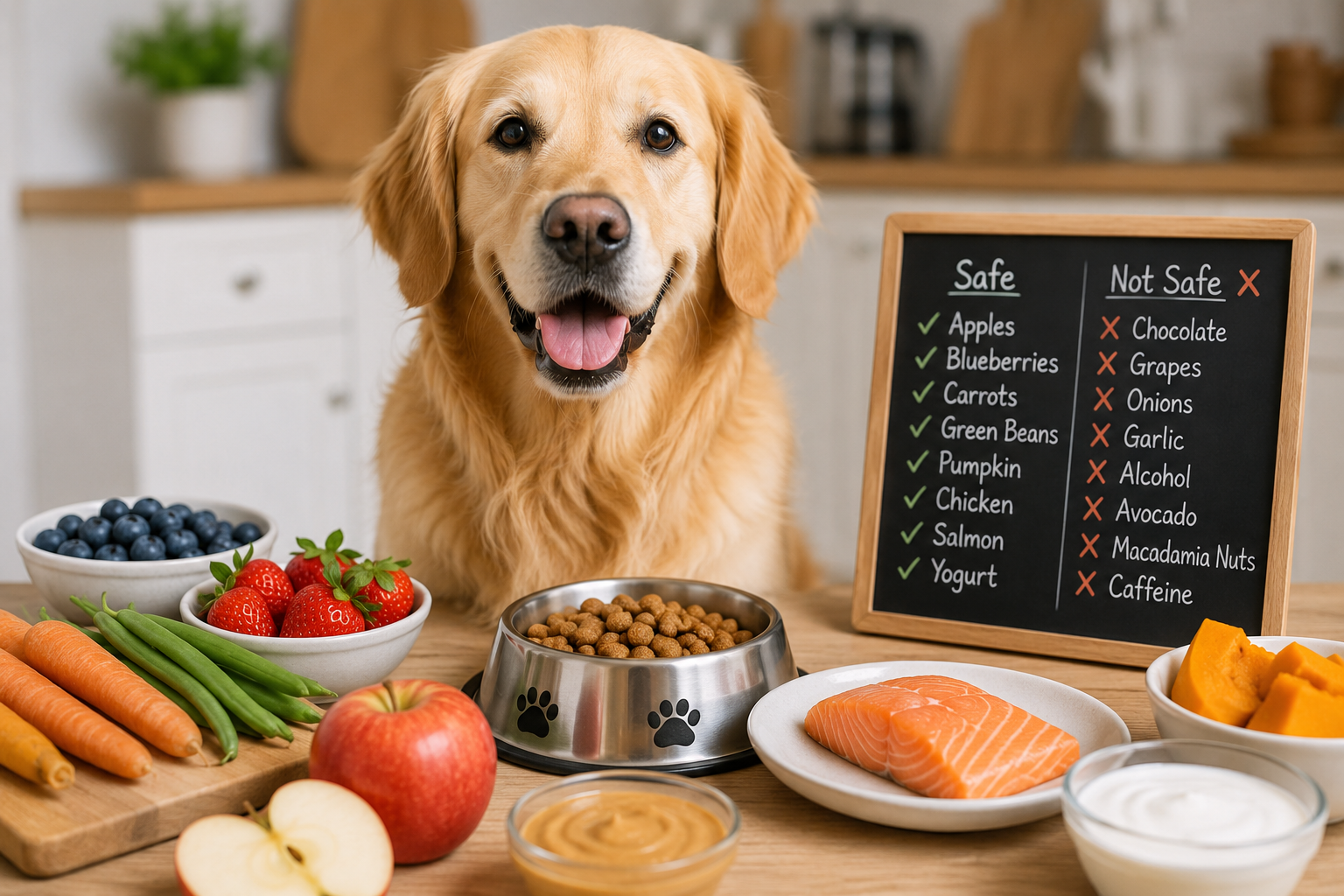
*A pet nutrition expert explains which human foods are safe for dogs, which are toxic, and how owners can safely introduce new treats.
Many dog owners can’t resist sharing a bite of food with their four-legged companion, but veterinarians and pet nutrition experts say knowing what belongs in the dog bowl and what doesn’t can make all the difference.
While some everyday foods provide valuable nutrients, others can trigger serious illness or even become life-threatening. According to Laura Crotch-Harvey, nutrition manager at Burns Pet Nutrition, moderation and careful food choices are essential whenever introducing human foods into a dog’s diet.
As Country Life reports, fresh fruits are among the healthier options. Apples, bananas, blueberries, strawberries, pears and watermelon can all serve as occasional treats, while oranges are also safe if the peel, seeds and pith are removed. Fresh pineapple can be offered in small portions, but canned varieties should be avoided because of added ingredients.
Scroll to continue reading








Many vegetables can also complement a dog’s regular meals. Carrots, green beans, cucumbers, broccoli, spinach, sweet potatoes and pumpkin all provide vitamins, fiber and other nutrients. Experts recommend cooking vegetables such as asparagus and Brussels sprouts before serving, while pumpkin should be fed in moderation since excessive amounts may cause digestive problems.
Protein-rich foods can also have a place on the menu. Plain cooked meats, thoroughly cooked eggs and cooked fish (such as salmon, herring, ocean whitefish) offer protein and essential nutrients. Plain, low-fat yogurt may be suitable for dogs that tolerate dairy, though products containing artificial sweeteners should never be served.
Some common kitchen staples, however, should always stay out of reach. Chocolate, onions, garlic, grapes, raisins, alcohol, macadamia nuts, tea, coffee, and avocados can all be harmful to dogs. Even corn on the cob poses a danger because it can create a potentially life-threatening intestinal blockage if swallowed.
Crotch-Harvey also advises owners to pay close attention when introducing any new food.
“Always monitor for potential allergic reactions when introducing new foods, particularly with protein sources like chicken or beef,” she said. “Some dogs may develop itching, digestive upset, or behavioural changes signalling intolerance.”
She also urged owners to remember that even healthy treats should never replace a balanced diet.
“When in doubt about a specific food, consulting with a veterinary professional is always the safest approach,” Crotch-Harvey said.
MORE NEWS ON EURWEB.COM: 2026 Pet Resolutions to Keep Pets Healthy and Happy
We Publish Breaking News 24/7. Don’t Miss Out! Sign up for our Free daily newsletter HERE.